
 Sign up with Google
 Sign in with Zoho

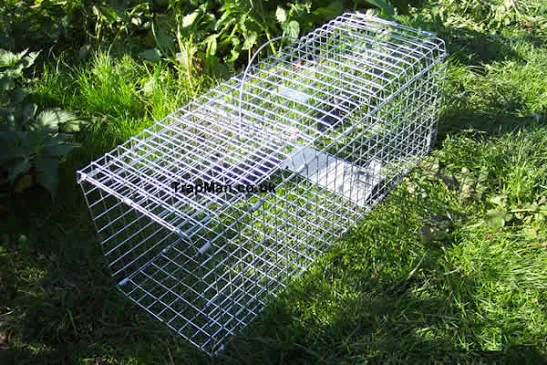
A feral pigeon trap can help control pigeon activity when birds become a recurring problem around roofs, ledges, warehouses, farms, and commercial buildings. But weather can affect how well a trap works. Heat, rain, wind, cold, and changing feeding patterns can all influence pigeon behavior and trap performance.
Why Weather Matters When Trapping Feral Pigeons
Weather changes more than people sometimes realize. Pigeons adjust where they feed, rest, and shelter depending on what is happening outside. On a mild, dry morning, they may spend hours around familiar feeding and roosting areas. During heavy rain or strong wind, that routine can change quickly. A trap that worked well yesterday might see much less activity today simply because the birds are somewhere else.
This is one reason pigeon trapping should not be treated like setting something down and walking away. The location matters, but timing matters too. A trap placed where pigeons normally gather can become far less useful if bad weather pushes them into a sheltered roof cavity or underneath an overhang. Understanding their behavior makes the difference.
How Rain Can Affect a Feral Pigeon Trap
Rain can have a direct effect on pigeon movement. During light rain, pigeons may continue feeding and moving around as normal, especially if food is available. Heavy rain is different. Birds often look for dry areas under roofs, balconies, covered walkways, bridges, or other structures. That can reduce activity around an exposed trap.
Wet conditions can also affect the trap itself. Food used as an attractant may become wet and less appealing. Mud, leaves, and standing water can make the surrounding area messy too. If the trap has moving parts, excessive moisture and debris may eventually affect how smoothly it operates. It's not always dramatic, but small issues add up.
For that reason, checking the trap after substantial rainfall is sensible. Make sure the entrance is clear, the bait is still usable, and the mechanism has not been affected by water or debris. A little maintenance can prevent an otherwise good setup from becoming unreliable.
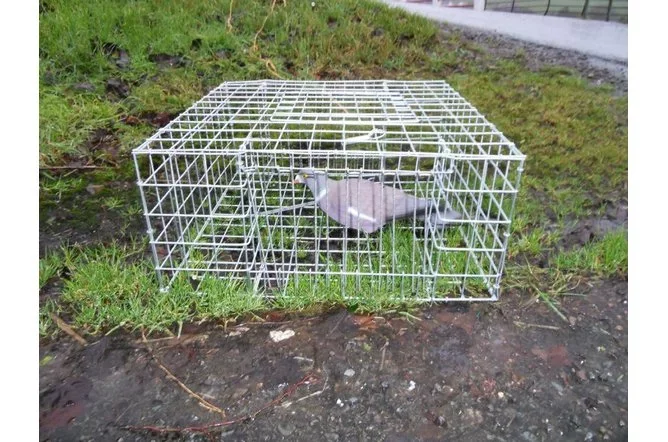
Strong Winds Can Change Pigeon Behavior
Wind is another big factor, particularly on exposed rooftops. Pigeons generally prefer places where they can land and remain stable without constantly fighting the wind. When gusts become strong, birds may move toward sheltered corners, building recesses, trees, or lower areas where conditions are calmer.
That can make an exposed feral pigeon trap less attractive. Even if the trap is positioned near a regular pigeon route, birds may avoid it temporarily because the surrounding conditions are uncomfortable. You may notice fewer birds around the entire property, not just around the trap.
Wind can also move lightweight bait, leaves, or debris into the trap area. If the trap is not secured correctly, strong gusts may shift it from its original position. This is another reason to inspect outdoor trapping equipment regularly rather than assuming it will stay exactly where it was placed.
Hot Weather Can Reduce Trap Activity
Very hot weather can change pigeon behavior quite a lot. During periods of high temperatures, pigeons may become more active during cooler parts of the morning and evening and spend the hottest part of the day resting in shaded or protected locations. A trap sitting in direct sunlight may therefore receive less attention during midday.
Heat can also affect bait. Food can dry out, spoil, or attract insects more quickly when temperatures rise. That creates a practical problem if the trap relies on fresh bait to encourage birds to enter. The trap may still function perfectly, but the attraction is weaker.
Shade can help with this issue. Keeping trapping equipment in an appropriate location away from excessive direct heat may make it more appealing and easier to maintain. Still, the main point is simple: don't judge trap performance based on one very hot afternoon. Pigeon activity often picks up again when temperatures become more comfortable.
Cold Weather Can Shift Pigeon Movement
Cold conditions can influence where pigeons spend their time as well. During colder periods, birds may look for sheltered areas that offer protection from wind and rain. Buildings can become especially attractive because roof spaces, ledges, and covered structures provide some protection from the elements.
This can work either way for trapping. If a trap is placed along a route pigeons already use, increased movement toward sheltered areas might improve activity. But if the trap is sitting in an exposed and uncomfortable location, pigeons may simply avoid it.
Cold weather can also affect the condition of equipment. Moisture can freeze in some climates, and debris can become harder to remove. In areas that experience freezing temperatures, regular inspection is even more important. You don't want the trap mechanism becoming stiff or obstructed when it needs to operate properly.
Weather Can Affect Where Pigeons Feed
Food availability is one of the strongest factors influencing pigeon movement. Weather can change that availability. Rain may wash food from exposed surfaces, while strong winds can scatter lightweight food sources. Extreme heat can make certain areas less comfortable for feeding.
Pigeons are creatures of habit, but they are also practical. If their usual food source becomes difficult to access, they'll look elsewhere. This matters when deciding where to position a feral pigeon trap. A location that looks perfect from a human perspective may not be useful if the birds aren't feeding there at the time.
Watch the birds before changing the setup. Where are they landing? Where do they walk? Are they feeding on the ground or near a building? Are they disappearing into a sheltered area when the weather changes? Those observations are often more useful than simply moving the trap around randomly.
Sheltered Areas May Become More Important
Bad weather tends to make sheltered areas more valuable to pigeons. Roof overhangs, covered loading areas, balconies, warehouse structures, and building recesses can become temporary refuges. If pigeons repeatedly use one of these areas, it may become a more productive location for monitoring and control.
However, placing a trap directly into a nesting or heavily occupied area is not always the right answer. Existing nests, young birds, or other wildlife may require careful consideration before any control work takes place. The goal should be responsible management, not simply catching birds as quickly as possible.
A good approach is to understand the site first. Identify the pigeons' regular routes and shelter points, then determine which control method is appropriate. Sometimes trapping is useful. In other cases, physical exclusion or deterrents may make more sense.
Trap Maintenance Becomes More Important in Bad Weather
Outdoor equipment takes a beating. Rain, dust, wind, heat, and temperature changes can all contribute to wear. A feral pigeon trap that is perfectly functional when installed can become less reliable if it isn't checked and maintained.
Look for obvious problems such as blocked entrances, damaged sections, loose components, wet or spoiled bait, and debris around the trap. The surrounding ground or roof area should also be checked. A trap hidden behind leaves or other material isn't going to perform as intended.
This doesn't mean constantly interfering with the setup. In fact, too much disturbance can make pigeons suspicious. The better approach is regular, sensible inspection. Keep the equipment clean and functional while avoiding unnecessary movement of the entire setup.
Why Pigeon Spikes Can Help With Weather-Related Problems
Trapping isn't always the only answer. In some situations, pigeons are mainly causing problems because they repeatedly perch on roof edges, parapets, ledges, signs, and other exposed surfaces. Weather may change their movement, but the basic attraction to those comfortable landing spots remains.
That is where physical deterrents can be useful. Pigeon spikes make narrow landing surfaces uncomfortable for pigeons, encouraging them to move elsewhere. Unlike a trap, they don't depend on the bird entering a particular enclosure at a particular time. Once properly installed, they provide ongoing deterrence in the treated area.
Still, installation matters. Leaving gaps or treating only one small section can simply push pigeons a few feet along the roof. If weather causes the birds to seek a different sheltered ledge, untreated areas can quickly become the new problem spot. A full inspection helps identify those likely alternatives.
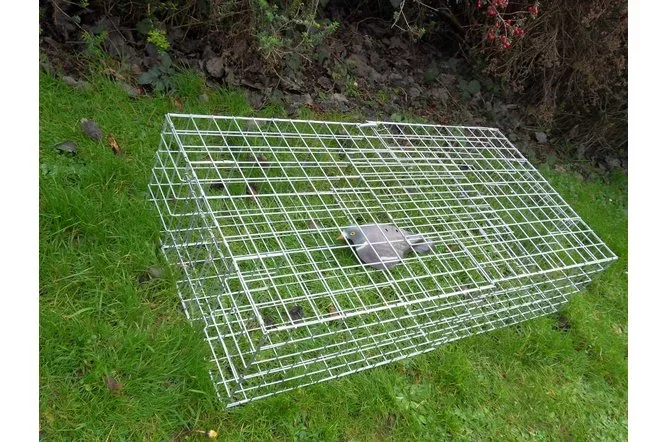
How to Improve Trap Performance in Changing Weather
There isn't one perfect trapping schedule for every property. Weather, pigeon numbers, food sources, building layout, and bird habits all play a role. The practical approach is to observe first and adjust when necessary. If activity drops during heavy rain, don't immediately assume the trap has failed.
Pay attention to when pigeons actually appear. Early mornings may be productive during hot weather, while sheltered areas may become more important during rain or cold conditions. Strong wind can shift activity toward protected parts of a property. These patterns can help determine whether the trap is positioned in a sensible location.
Also, don't ignore the wider property. Open food waste, standing water, accessible rubbish, and places where people regularly feed pigeons can keep birds coming back. Removing those attractants, securing vulnerable areas, and using suitable deterrents can make trapping more effective. Sometimes the trap isn't the problem. The property is simply giving pigeons too many reasons to stay.
Conclusion
Weather can have a noticeable effect on how a feral pigeon trap performs. Rain may push birds into sheltered spaces, strong winds can change their landing patterns, and extreme heat or cold can alter when and where they feed. That means trap performance should always be judged alongside actual pigeon behavior, not just the equipment itself.
Regular inspection, sensible placement, suitable bait management, and attention to changing conditions can improve results. At the same time, trapping may not be enough when pigeons are mainly using roof edges and ledges for perching. In those situations, Pigeon Spikes and other physical deterrents can help prevent birds from settling in the first place. The best pigeon-control strategy usually looks at the whole property rather than relying on one method alone.












.webp)