Sign up with Google
 Sign in with Zoho

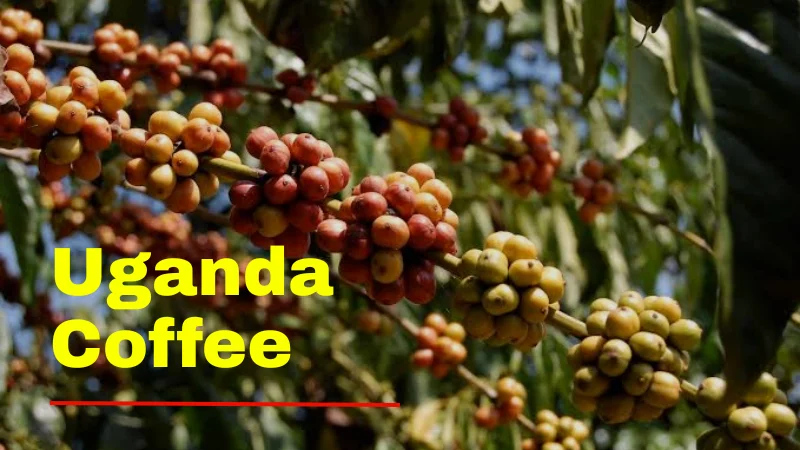
A cup of Ugandan coffee begins long before the beans reach a café. On the slopes of Mount Elgon in eastern Uganda, farmers grow Arabica coffee on fertile volcanic soil, picking ripe cherries and preparing them for drying, roasting and brewing. Visiting a working coffee farm gives travellers a chance to see these steps firsthand, speak with local growers and taste coffee near the place where it was grown. Some visits also include roasting beans by hand, which reveals how much work goes into a single cup.
If you are adding a coffee farm visit to your Uganda trip, it helps to sort out entry arrangements before travelling. Reading the Uganda eVisa requirements early gives you a starting point for checking the documents needed for your visit. With the travel details in order, you can focus on choosing a farm tour, learning about local coffee and enjoying a fresh brew in the highlands.
Why Coffee Grows Well Around Mount Elgon
Mount Elgon, on Uganda’s eastern border with Kenya, has highland farms where Arabica coffee grows in fertile volcanic soil. The cooler conditions at higher elevations suit this type of coffee, which is often valued for its bright acidity and delicate aromas. For many farming families in the region, coffee is an important source of income.
A visit to a local farm shows what goes into growing the beans before they reach a roaster. Depending on the season, you might see ripe coffee cherries being picked, beans spread out to dry or farmers explaining how they prepare the harvest. It is a chance to learn about coffee directly from the people who grow it, instead of only tasting the finished drink.
From Red Cherries to Roasted Beans
Coffee processing starts after the cherries ripen. Farmers pick the fruit, then remove the outer layers to reach the beans. Depending on the processing method, the beans are washed and dried or dried with some fruit still attached. They need careful drying before storage and further processing.
A farm visit becomes more interesting when the guide explains these steps in person. Visitors get to handle coffee cherries, see drying areas and learn why beans need the right conditions before roasting. Some tours include a roasting or brewing demonstration, giving guests a chance to notice how the smell changes as the beans heat.
Harvest timing differs by location and growing conditions. Before booking, ask whether the farm expects ripe cherries during your visit or whether the tour focuses on processing, farming and tasting instead.
What Does Ugandan Coffee Taste Like?
Ugandan coffee has different flavours depending on the variety, growing region and roasting method. Arabica beans from highland areas such as Mount Elgon often have bright acidity, with fruity or floral notes in some cups. Robusta, also widely grown in Uganda, tends to taste stronger, with deeper bitterness and a fuller body.
Freshly roasted beans also smell different from green coffee beans, and the brewing method changes the final taste. During a farm visit, ask to compare two coffees from different varieties or processing methods. Try a little without milk or sugar first to notice the aroma, acidity and aftertaste. The grower or guide can explain where the beans came from and how they were prepared, giving you a better sense of what makes each cup different.
How to Plan a Coffee Farm Visit
Coffee farms around Mount Elgon are spread through rural areas, so check the farm’s location and transport arrangements before booking. Ask how long the visit lasts, whether a guide will explain the growing and processing stages, and if coffee tasting is included. Some farms focus on the harvest, so the activities depend on the season.
Wear walking shoes for uneven paths and bring a light rain jacket if the forecast calls for rain. Ask permission before taking photos of farmers or their families. If you enjoy the coffee, buying a bag directly from the grower or a local cooperative is a simple way to support the people behind it and take a taste of Uganda home with you.