Sign up with Google
 Sign in with Zoho

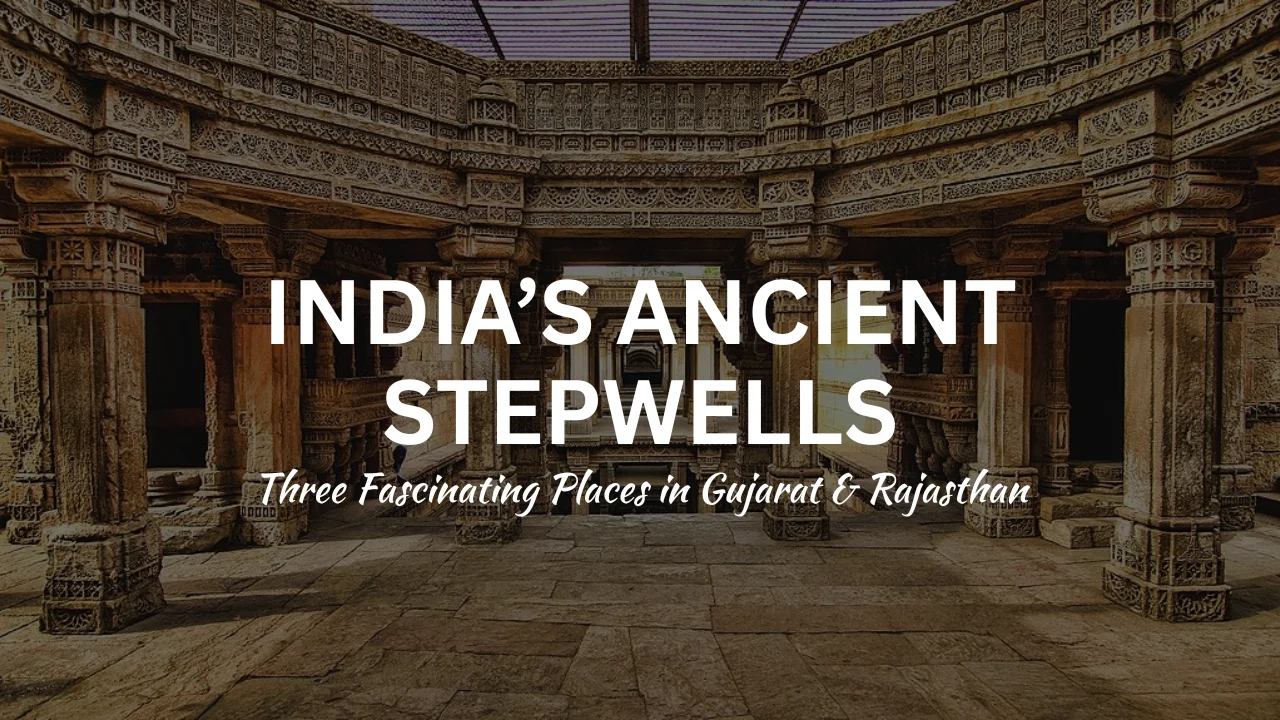
India has plenty of old buildings that tell the story of its kings, queens and religions. But some of the most interesting ones were built for a simple reason: to hold water. These are stepwells, deep structures with long flights of stairs that let people walk down to the groundwater. Over the years, many of them turned into real works of art, with carved pillars, sculpted figures and neat rows of steps.
Gujarat and Rajasthan have some of the finest historic stepwells to visit in India. Here are three that show how much care went into building them.
Rani-ki-Vav, Patan: A Stepwell Built Like an Upside-Down Temple
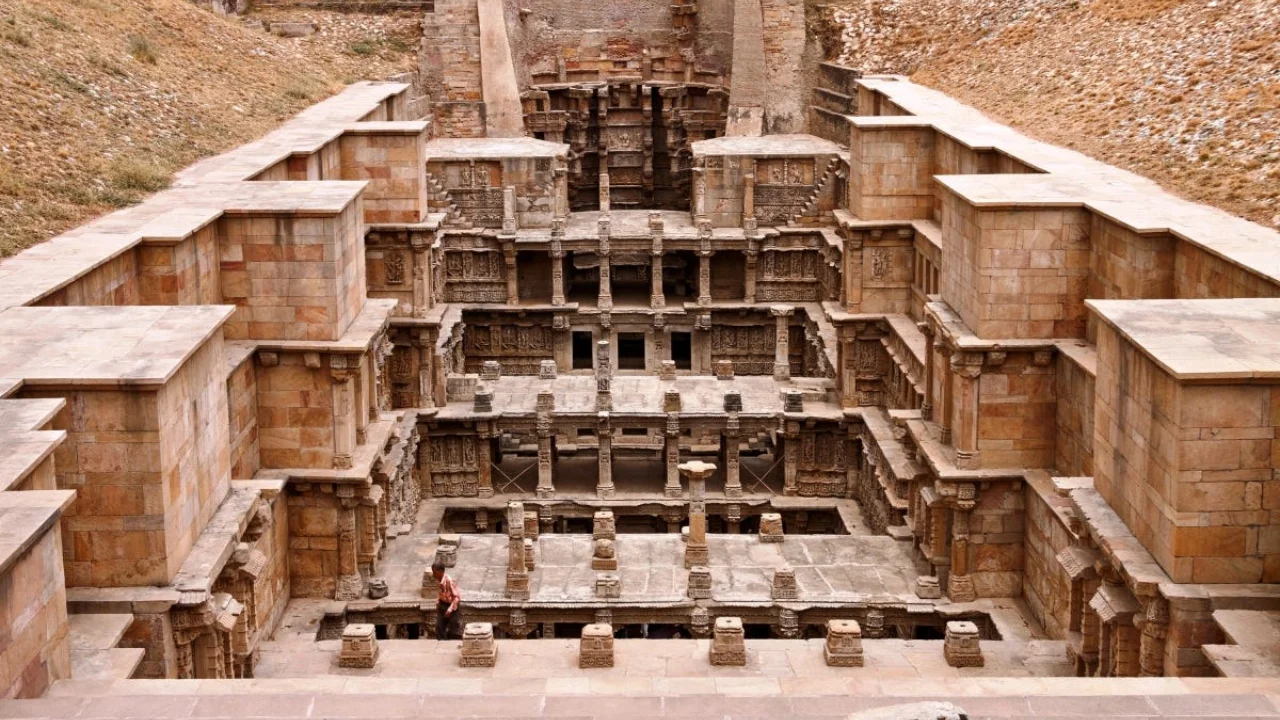
Rani-ki-Vav is in Patan, Gujarat, and dates back to the 11th century. It was built as a memorial to King Bhimdev I, and tradition links it with Queen Udayamati. The design copies an inverted temple, with seven levels of stairs going down to the well.
Sculptures cover the walls and pillars: Hindu gods, figures from mythology and patterns. UNESCO counts more than 500 main sculptures and over 1,000 smaller ones. No surprise that it became a UNESCO World Heritage Site in 2014.
Patan is about 125 km from Ahmedabad, which also has the nearest major airport. You can get there by road or train, so it fits into a Gujarat trip without much trouble. The local Patola weaving tradition gives you one more reason to stay in town for a while.
Chand Baori, Abhaneri: 3,500 Steps in a Neat Pattern
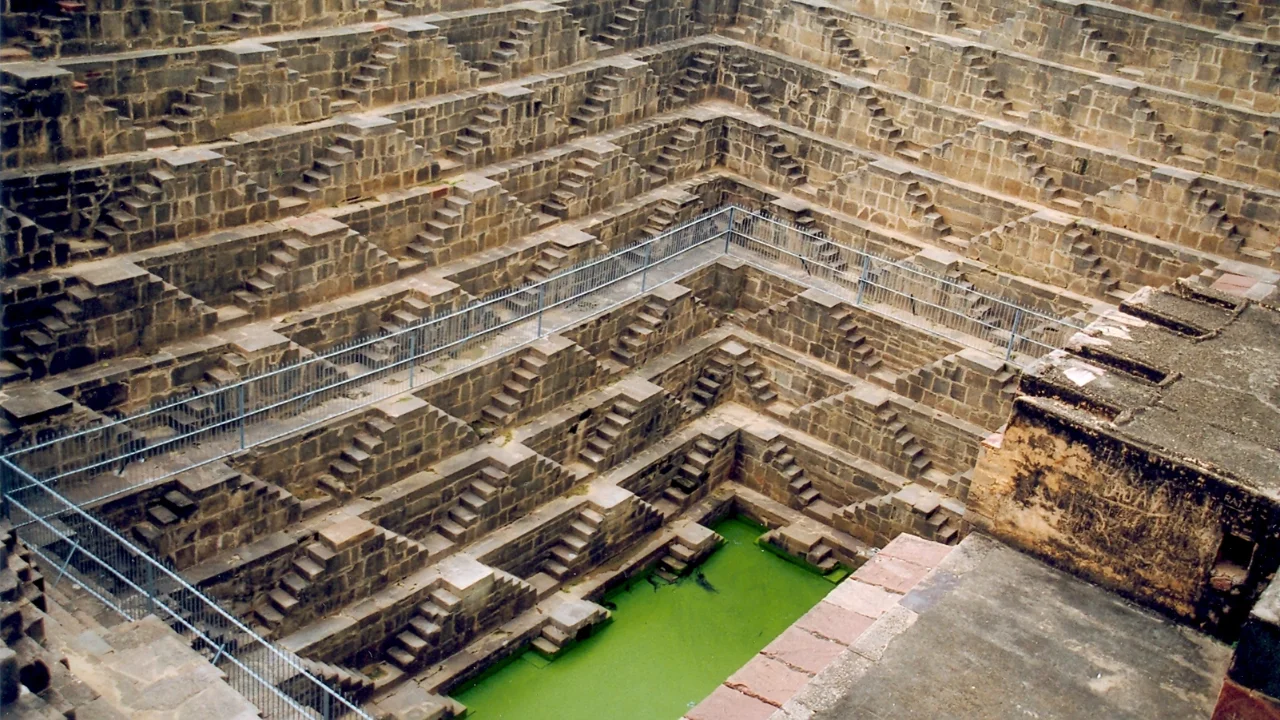
Chand Baori is in Abhaneri village in Rajasthan, about 88 km from Jaipur. It was built in the 9th century to save water and to give people a cooler spot to gather in the hot months.
It has around 3,500 narrow steps on three sides, laid out in a tight pattern. From the top, the lines make a bold geometric shape. The fourth side has a three-storey pavilion with carved windows, galleries and balconies. Harshat Mata Temple is right next to the stepwell, so you can see both in one visit.
The easiest way to reach Abhaneri is a taxi or private car from Jaipur. Rajasthan Tourism also lists taxis from Jaipur and from Sikandra. The village isn’t on the main city route, so book your transport ahead.
Adalaj Stepwell, Gujarat: Carved Stone and a Long History
Adalaj Stepwell is about 19 km north of Ahmedabad, so it works as a short trip from the city. Work started in 1498 under Rana Veer Singh, and Sultan Mahmud Begada finished it later. Queen Rudabai is part of its story too, which is why some people call it Rudabai Stepwell.
It has five levels, with carved pillars, balconies and galleries. You can see Hindu, Jain and Islamic styles in the design. Openings at the top let daylight fall on the lower levels, which shows off the stonework. Chand Baori wins on size, but Adalaj is the one to visit for carved detail.
A Few Practical Details for Visiting India
The three stepwells are in different parts of Gujarat and Rajasthan, so you will need to travel between cities. Ahmedabad is a good starting point for Adalaj and Patan, and Jaipur is the best base for Chand Baori. Give yourself time for the drives and don’t try to squeeze all three into one day.
If you are coming from abroad, check India’s entry rules before you book. Tourist eVisa options include 30-day, one-year and five-year types, but what you can get depends on your nationality and other conditions. Your passport generally needs six months of validity from your arrival date and two blank pages. You can read more about India eVisa information before you start your application.