Sign up with Google
 Sign in with Zoho

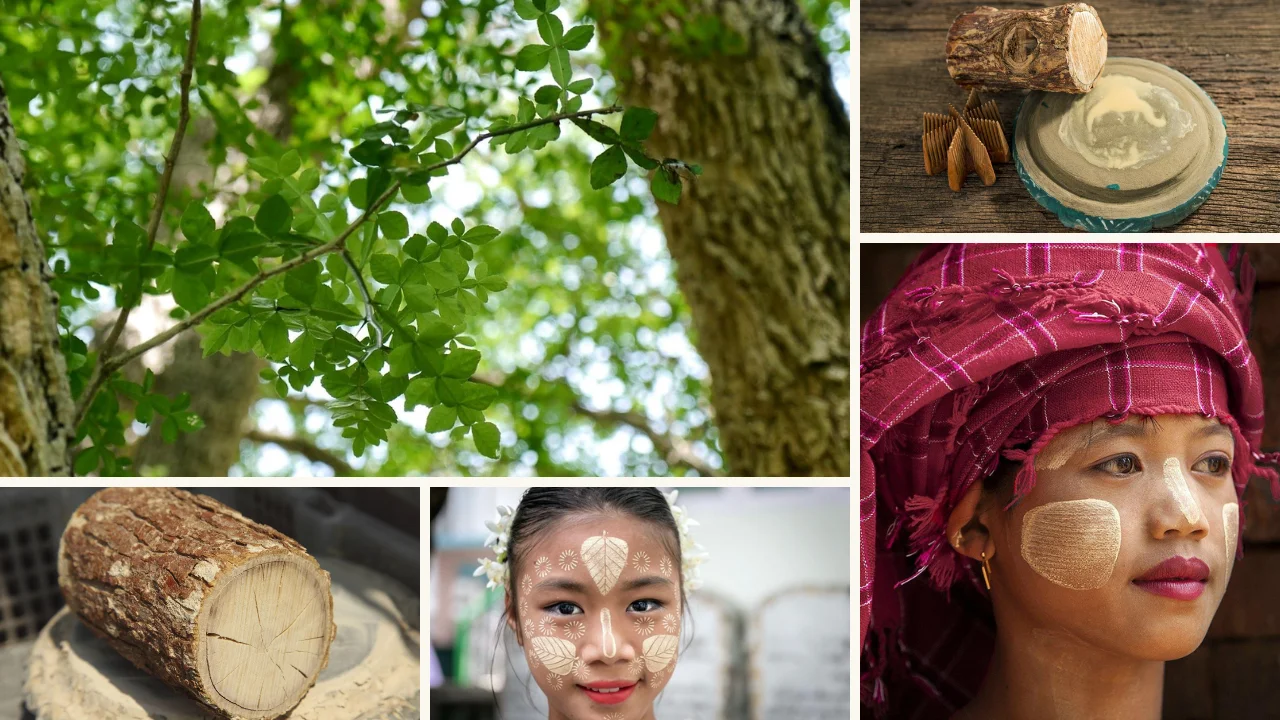
Ever seen photos of people in Myanmar with yellow patches on their cheeks and wondered what that was about? It’s called Thanaka, and it’s one of the first things you notice about daily life there. You’ll spot it on kids playing outside, women shopping at local markets and people just going about their day. Some wear two simple circles, others have small patterns that look like flowers or leaves. If you’re thinking about visiting to see the Thanaka tradition in Myanmar yourself, the entry details are on the Myanmar eVisa site. So what is this paste, and why do so many people wear it?
So, What Is Thanaka?
Thanaka is a natural paste made from the bark or wood of certain trees that grow in Myanmar. Making it is easy. Someone rubs a small piece of wood on a flat, round stone called a kyauk pyin, adds a little water, and keeps going until it turns into a smooth, creamy paste.
It’s nothing like grabbing a face cream off a shelf. In many households, making Thanaka is part of the daily routine, and the stone slab is a normal thing to see in the house. The method has been passed down through generations.
Why Do People Wear It?
Thanaka isn’t only for decoration. People have long used it for skincare, mostly because it feels cool on the skin in Myanmar’s warm weather. It also works as a natural sun protection.
You’ll see it on kids and adults alike. Some put a light layer over the whole face, others keep it to two patches on the cheeks. No fancy design needed, even the plainest style is easy to spot.
The Yellow Patterns Aren’t All the Same
Look a bit closer and you’ll see people don’t always put it on the same way. The two round cheek patches are the style most people recognise, but there are other designs too.
Some people draw thin lines down their cheeks, others go for leaf shapes or small flowers. Kids often get playful designs, and some adults like to keep it plain. It’s a small detail, but it gives everyone their own look.
A Tradition That Has Lasted for Generations
Thanaka hasn’t vanished just because modern beauty products arrived. Plenty of people in Myanmar still use it daily. Kids grow up watching their parents and grandparents put it on, so it feels normal to them from an early age.
It also comes from local trees and the traditional way of making skincare at the house. For visitors, spotting Thanaka in daily life is as memorable as seeing a famous temple or a local market.
One More Thing to Know About Myanmar
Myanmar has lots of small cultural details like this, and Thanaka is a good one to learn about before you arrive. It’s simple, ordinary to local people and full of history. Small daily habits like this say just as much about a place as the big attractions do.
Next time you see those yellow cheeks in a photo, you’ll know what’s behind them.