Sign up with Google
 Sign in with Zoho

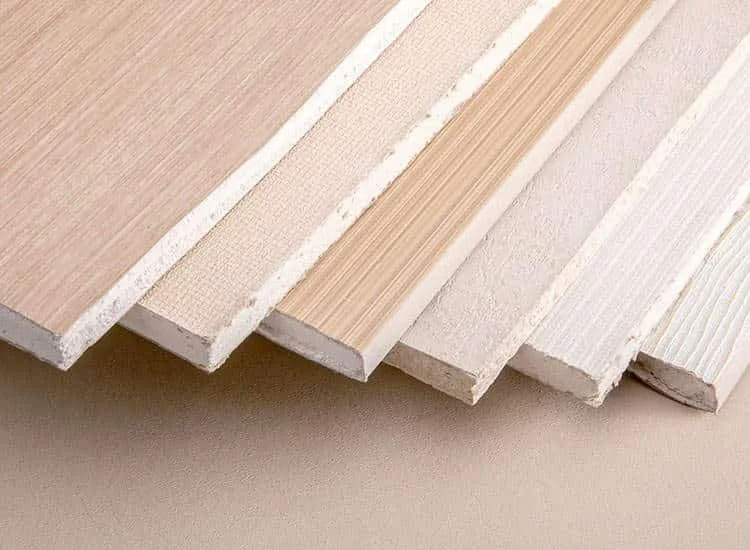
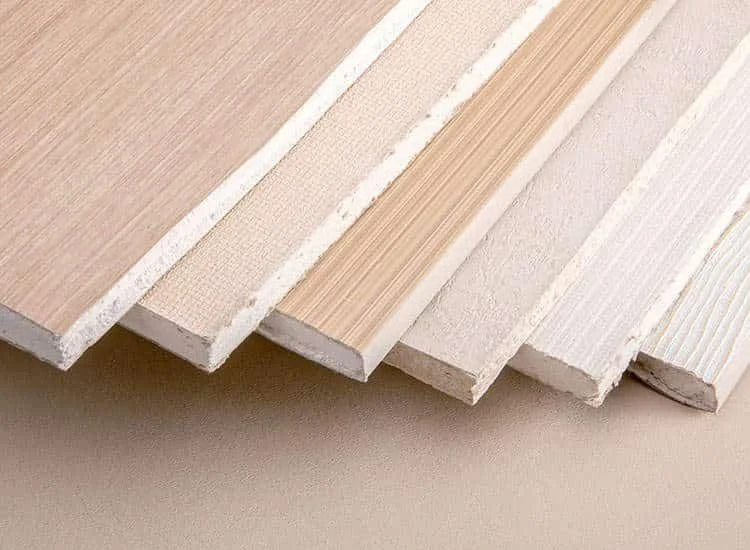
When planning the interiors of a home, we often spend considerable time deciding on colours, designs, finishes and furniture styles. However, have you ever wondered what actually goes underneath those beautiful finishes? In most cases, the strength and durability of furniture depend considerably on the material used to build it. This is where Plywood Sheets become an important part of your home interiors.
However, not every plywood is designed for the same purpose. A plywood suitable for bedroom furniture may have different performance requirements from one used in a kitchen or another moisture-prone area. Hence, understanding plywood grades and applications can help you choose Quality Plywood according to where and how it will be used.
Why Does the Plywood Grade Matter?
If you have ever visited a plywood store, then you must have noticed that there are different grades available. You may naturally wonder why there are so many options when they all appear quite similar from the outside.
The answer lies in their intended applications and performance. Different grades are designed to handle different environmental conditions. Therefore, selecting Plywood Sheets should not simply be about thickness or appearance. You also need to consider moisture exposure, expected usage and the location where the plywood will be installed.
MR Grade Plywood for Dry Interior Spaces
MR is an abbreviation of Moisture Resistant. This kind of plywood is resistant to some amount of moisture, as the name implies, and is usually used in interior applications in relatively dry environments.
As an illustration, bedroom wardrobes, study tables, shelves and other indoor furniture do not usually undergo constant exposure to water. Thus, such applications can be considered for MR-grade plywood.
Moisture resistance is, however, not to be confused with waterproofing. Therefore, you must know the circumstances of the room prior to selecting the plywood.
BWR Grade in More Moisture Exposed Areas.
What occurs when furniture is prone to increased humidity or when it may be in contact with moisture at times? It is here that BWR or Boiling Water Resistant plywood comes in.
BWR plywood is more water-resistant than MR-grade plywood. Therefore, it may be used in interior applications where the exposure to moisture is relatively greater. By selecting Quality Plywood under these conditions, furniture can have longer structural performance.
BWP Grade in Demanding Applications.
BWP is an abbreviation of Boiling Water Proof and is used in cases where higher resistance to water is needed. It is usually used in high-demand regions where regular interior-grade plywood might not be applicable.
To the homeowners, it is not just a matter of selecting the best grade. Rather, the plywood must suit the use. The right grade will assist you in striking a balance between performance, durability and practical needs.
In Which Areas to use the various grades of plywood?
After knowing the grades, it is much easier to choose plywood. Consider the place and daily use of the furniture before purchasing Plywood Sheets.
A simple application guide can help:
- MR grade can be considered for wardrobes and bedroom furniture.
- Study tables and indoor storage units may use suitable interior-grade plywood.
- BWR plywood can be considered where humidity and occasional moisture are concerns.
- BWP plywood is better suited to applications requiring higher water resistance.
- Frequently used furniture should prioritise strength and structural stability.
- Moisture-prone areas require greater attention to the plywood grade.
Thus, instead of selecting one plywood type for the entire house, you can choose according to the requirements of each space.
Thickness Also Makes a Difference
Grade is not the only factor that matters. The thickness of plywood should also correspond with its intended application.
For example, the structural requirements of a shelf can differ from those of a cabinet shutter or furniture panel. Using an unsuitable thickness may affect stability or unnecessarily increase material usage. Therefore, homeowners should discuss both grade and thickness with their carpenter or interior professional before finalising the material.
Look Beyond the Surface
Two plywood boards can appear almost identical when viewed from the outside. However, their internal construction and overall quality may be quite different.
This is why choosing Quality Plywood requires looking beyond appearance. Factors such as core construction, bonding, resistance to environmental conditions and suitability for the intended application contribute to long-term performance. After all, plywood generally remains hidden underneath laminates, veneers or other decorative finishes once the furniture is completed.
Choosing Plywood for Long-Term Performance
Furniture is usually an investment that homeowners expect to use for years. Therefore, choosing the right material at the beginning can make a significant difference later.
Before making your decision, ask yourself a few simple questions. Will the furniture be exposed to moisture? How frequently will it be used? Is it being installed in a dry bedroom or a more demanding part of the house? Once these questions are answered, choosing suitable Plywood Sheets becomes much simpler.
For homeowners looking for Quality Plywood across different interior requirements, CenturyPly offers plywood solutions designed for varied applications. Understanding the grade, thickness and intended use before purchasing can help you create furniture and interiors that are not only visually appealing but also built with long-term performance in mind.