Sign up with Google
 Sign in with Zoho
In a turbine generator, the excitation system has a direct role in establishing and controlling the generator's magnetic field. Because excitation affects generator voltage and operating conditions, it also needs to be controlled safely when a unit is being shut down, disconnected from the grid, or taken out of service.
This is where the de-excitation system becomes important. A de-excitation control board provides the control and monitoring functions required to remove or reduce the generator's field excitation in a controlled manner. It works as part of the wider excitation and protection system, helping operators bring the generator to a safe electrical state when required.
What Is a De-Excitation Control Board?
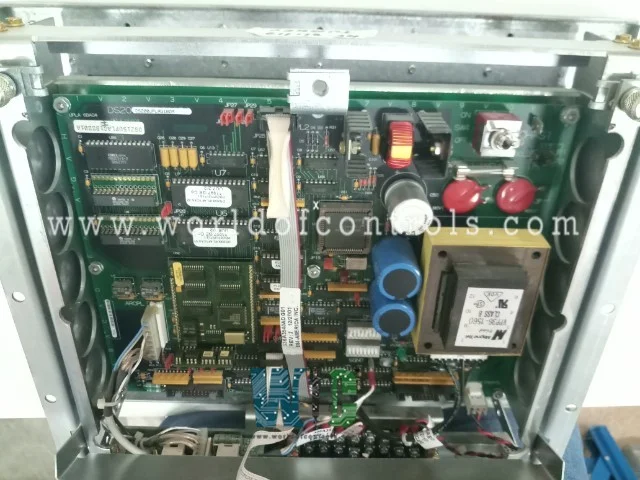
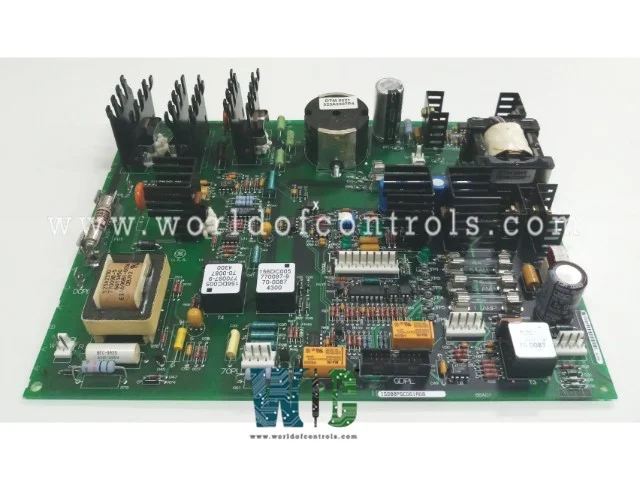
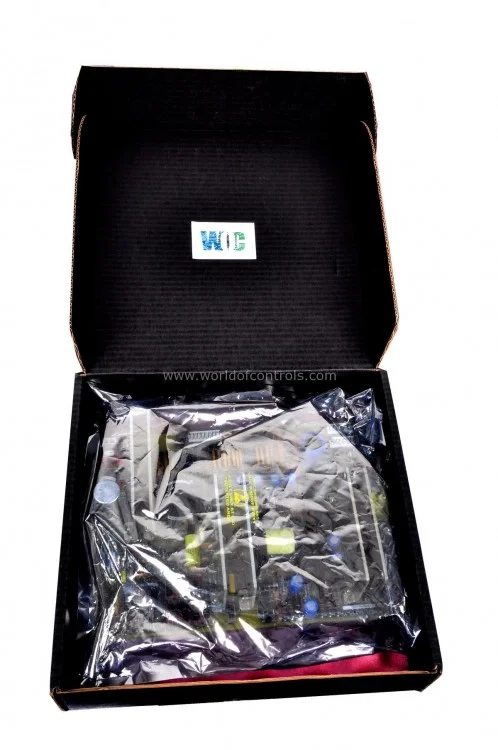
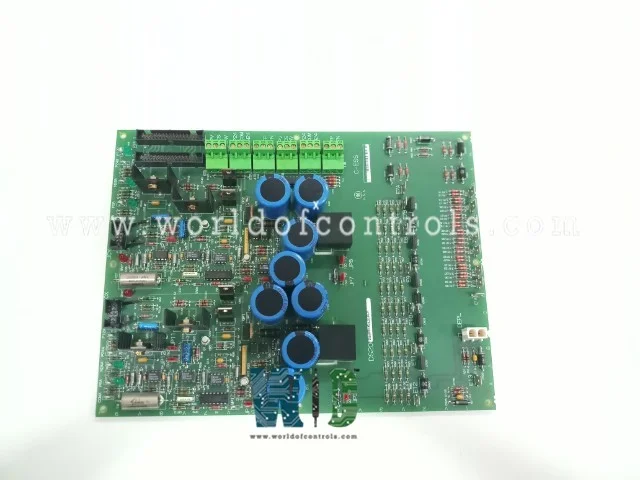
A de-excitation control board is an electronic control assembly used within a generator excitation system to manage the process of removing field excitation from the generator rotor.
During normal operation, the excitation system supplies the rotor field with the required current to establish the generator's magnetic field. When the generator is shut down or a fault occurs, continuing to apply field current may not be desirable. The excitation therefore needs to be removed through an appropriate de-excitation sequence.
Depending on the generator and excitation-system design, de-excitation may involve field discharge circuits, field breakers, discharge resistors, thyristor-based excitation equipment, or other dedicated components. The control board coordinates or supervises these functions rather than simply acting as an on/off switch.
A properly designed control board also provides status information and interfaces with the generator protection and turbine control systems. This allows the de-excitation sequence to take place in the correct operating conditions.
Important Features of De-Excitation Control Boards
1. Accurate Control of the Excitation Sequence
One of the primary requirements of a de-excitation system is controlled removal of field energy. The control board monitors relevant electrical signals and initiates the required sequence based on operating commands and protection conditions.
Accurate control is particularly important during generator shutdowns and abnormal operating conditions, where an incorrect sequence could place unnecessary stress on the excitation equipment or generator.
2. Protection and Interlocking Functions
De-excitation equipment normally works alongside generator protection and control circuits. Depending on the system design, the control board may be involved in functions such as trip logic, field-breaker operation, discharge-circuit control, alarm generation, and electrical interlocking.
These functions help prevent inappropriate switching operations and ensure that the de-excitation sequence is initiated when the required conditions are met.
3. Interface With Turbine and Generator Control Systems
A turbine generator does not operate as a collection of independent control panels. The excitation system, turbine control system, generator protection, synchronization equipment, and plant control system all exchange operating and status signals.
A de-excitation control board therefore needs suitable interfaces for commands, feedback, alarms, and trip signals. Proper integration gives operators a clearer picture of the generator's electrical condition and allows the shutdown sequence to be coordinated with the rest of the unit.
4. Monitoring and Diagnostic Capability
Modern control boards can provide useful diagnostic information in addition to their basic control functions. Depending on the design, this may include indications for control power, excitation status, trip conditions, circuit health, alarms, and communication status.
Clear diagnostic information can make troubleshooting considerably easier, particularly when maintenance personnel are investigating an unexpected trip or a problem with the excitation system.
5. Industrial-Grade Construction
Turbine-generator control equipment is normally installed in an industrial environment where temperature variations, electrical interference, vibration, and continuous operation can affect electronic equipment.
For this reason, control boards should be selected and designed according to the environmental and electrical requirements of the installation. Component quality, proper panel design, cooling, wiring practices, and protection against electrical interference all contribute to long-term reliability.
Benefits in Turbine Generator Applications
Safer Generator Shutdowns
A controlled de-excitation sequence helps remove the rotor field when the generator is taken offline. This is particularly important during planned shutdowns, emergency trips, and maintenance activities.
The exact sequence depends on the generator and excitation-system architecture, but the objective remains the same: bring the excitation system to a safe state without relying on uncontrolled discharge or manual intervention.
Better Protection of Excitation Equipment
The excitation system contains electrical and electronic components that must operate within their specified limits. Proper control of field removal helps reduce the possibility of inappropriate switching and abnormal electrical conditions.
When combined with suitable protection and interlocking, the de-excitation system becomes an important part of the generator's overall protection strategy.
Easier Maintenance and Troubleshooting
A well-designed control board can provide operators and maintenance engineers with useful information about what happened during a shutdown or trip.
For example, clear status indications can help determine whether a command was received, whether a field breaker operated, or whether a protection signal initiated the sequence. This can reduce troubleshooting time and help maintenance teams identify the actual source of a problem instead of replacing components unnecessarily.
Reduced Unplanned Downtime
Reliability in a power-generation plant is closely connected to the condition of its control and protection systems. A dependable de-excitation system can help prevent avoidable problems associated with incorrect excitation control or failed shutdown sequences.
However, downtime reduction depends on the complete excitation and protection system—not on the control board alone. Regular inspection, testing, and preventive maintenance remain essential.
Longer Service Life of Electrical Equipment
Correct excitation and de-excitation practices can help prevent unnecessary electrical and thermal stress on generator and excitation-system components. This supports the long-term reliability of the equipment.
The actual effect on equipment life depends on factors such as generator design, operating conditions, maintenance practices, and the condition of the excitation system.
Why Proper Integration Matters
Installing a de-excitation control board is only one part of maintaining a reliable generator excitation system. The board must be correctly matched to the generator, excitation system, field circuit, protection scheme, and turbine control architecture.
During a retrofit or replacement project, engineers typically need to consider existing wiring, input and output signals, protection logic, field-breaker arrangements, communication requirements, control voltage, environmental conditions, and the original manufacturer's design requirements.
Compatibility is particularly important when replacing an obsolete control board. A modern replacement may have improved diagnostics and electronics, but it still needs to perform the required functions within the existing system architecture.
Maintenance Considerations
Regular testing is important for equipment that performs a protection or shutdown-related function. Maintenance activities may include inspection of connections, verification of control signals, checking alarms and interlocks, testing the relevant protection circuits, and examining the condition of associated field-discharge components.
Testing should always follow the generator manufacturer's procedures and the plant's approved maintenance and safety practices. Because excitation circuits can contain hazardous electrical energy, de-excitation equipment should not be treated as a routine low-voltage control circuit.
Conclusion
De-excitation control boards are an important part of turbine-generator excitation and protection systems. Their job is not simply to switch excitation off; they help coordinate the controlled removal of rotor field excitation and provide the necessary interfaces, monitoring, and protection functions for the generator's operating environment.
When correctly specified, integrated, and maintained, a de-excitation control system can support safer shutdowns, easier troubleshooting, dependable protection, and reliable generator operation. For turbine operators and maintenance teams, the key is to view the control board as part of the complete excitation system rather than as an isolated component.
A suitable de-excitation solution should therefore be selected according to the generator and excitation-system design, the plant's protection philosophy, and the specific operating requirements of the turbine-generator unit.