Sign up with Google
 Sign in with Zoho
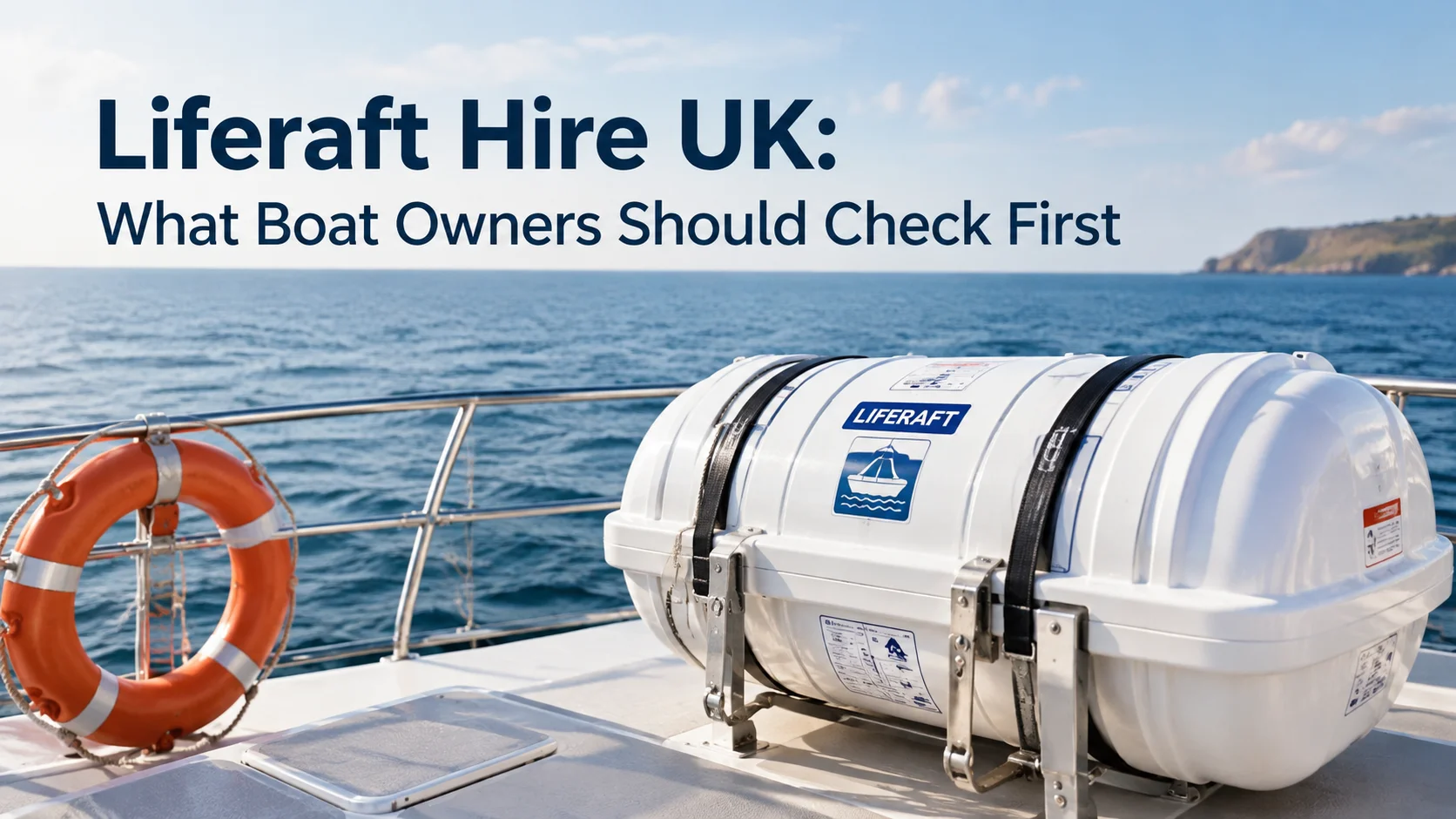
For yacht owners, commercial vessel operators and anyone preparing a boat for offshore operations, the right safety equipment can make a significant difference in an emergency. A liferaft is one of the most important pieces of equipment to consider when there is a risk that passengers or crew may need to leave the vessel.
Liferaft hire can be a practical option when your existing raft is away for servicing, when you need temporary equipment for a particular voyage or when purchasing a liferaft is not the most suitable option. However, choosing the right raft involves more than checking its price and availability.
The vessel type, passenger capacity, operating area, servicing status and applicable safety requirements should all be considered before making a decision. Here is what UK boat owners and operators should check before arranging liferaft hire.
Why Consider Liferaft Hire?
There are a number of scenarios in which leasing a life raft could be considered practical. A yacht owner might be in need of a temporary unit because their own life raft is currently being serviced. A charter company could be in need of equipment during a certain season while a commercial ship operator might be in need of a temporary replacement.
Leasing can also be helpful in preparing for an offshore passage or another voyage that requires emergency equipment for the journey.
The key thing here is to view liferaft leasing as a part of the overall safety plan for the vessel. Proper equipment should be suitable for the vessel itself and conditions under which it will be used.
Check That the Liferaft Is Suitable for Your Vessel
Prior to selecting a liferaft, you should consider your vessel first instead of the equipment you currently have.
For instance, you will require different equipment in case you own a yacht, pleasure craft, fishing boat, charter boat, and workboat.
Think about the type of the boat you are using, the maximum number of passengers the boat can carry, and whether you want the equipment for use on the coast, out at sea, or commercial use.
It is especially crucial for commercial and fishing boats to find out the requirement for the particular boat before making arrangements to hire one.
Check the Liferaft Capacity
The capacity issue is equally significant in the context of choosing an appropriate liferaft. Liferafts need to be big enough to provide for the number of passengers and suit the needs of the vessel concerned.
It would be erroneous to take into account the common number of crew members only. Instead, it is necessary to consider the maximum number of passengers who could find themselves on board if you work with a charter vessel.
A liferaft that is not spacious enough will not meet your demands; on the contrary, a liferaft which is bigger but whose dimensions cannot fit available space onboard will cause you problems.
Discuss the issue of capacity in advance with your supplier before hiring a raft.
Check SOLAS, ISO and UK Requirements
Some of the key questions to ask prior to arranging liferaft hire is the standard or regulation which is applicable for your vessel.
If the vessel comes within the scope of SOLAS, then this means SOLAS is applicable. There may be other regulations for other vessels, like different UK requirements, which include applicable MCA Codes of Practice.
There may be some UK commercial vessels that have MCA advice regarding SOLAS exceptions for inflatable liferafts, which conform to certain requirements, including ISO 9650. These vary based on the type of vessel and how the vessel operates.
This is the reason why it is dangerous to go and purchase a liferaft just because it is designated to be suitable for marine purposes. It pays to enquire what standard of liferaft this is.
Check the Liferaft's Servicing Status
The condition of a liferaft may look perfect without revealing much about its service record. Before hiring a liferaft, make sure you know when it was last serviced and when the next service is due.
In the case of SOLAS inflatable lifesaving appliances, the MCA requires servicing of such rafts to take place at approved service stations, with the appropriate servicing procedures depending on the equipment and regulations.
With regard to non-SOLAS inflatable liferafts used on UK commercial vessels, according to MCA guidance, servicing of such rafts must be conducted in accordance with the manufacturer’s specifications and at an authorised/approved service station for the specific liferaft.
Make sure you know the service record before hiring the raft. This is especially important when the liferaft is used in commercial or offshore operations.
Check What Equipment Comes With the Liferaft
It is true that the liferaft alone is not the whole emergency equipment pack, as the contents of the equipment pack matter just as much, especially when the liferafts have to hold up for long periods of time.
The equipment pack varies from one liferaft type to another based on the standards. It might contain emergency provisions, signalling devices, sea anchors, paddles, repair kits, and other survival devices.
Instead of assuming that all hired liferafts have the same equipment pack contents, you will want to ask the supplier what the contents are. You will also need to find out if there is any additional equipment which needs to be hired separately.
This would be a perfect chance for you to inspect your vessel's marine safety equipment and ensure that the necessary emergency equipment is onboard and still operational.
Consider Stowage and Launching Arrangements
Choosing the right type of liferaft is not the end of the process. Proper storage of the equipment along with access to it at the right time is essential.
When planning to hire the life raft, ensure that you have considered the placement area of the liferaft along with safety for access and launch. Also, consider the security of the liferaft for the vessel.
The Hydrostatic Release Unit (HRU), if applicable, is something that must be considered during the liferaft installation.
According to MCA guidelines, it is essential that proper stowing, securing, launching, and HRU installation is done for applicable vessels and equipment.
In case the rented liferaft is a temporary arrangement for your equipment, then ensure that your supplier knows about the same along with the installation arrangements.
Review Your Wider Marine Safety Equipment
A liferaft should not be considered separately from the rest of the vessel's emergency preparedness.
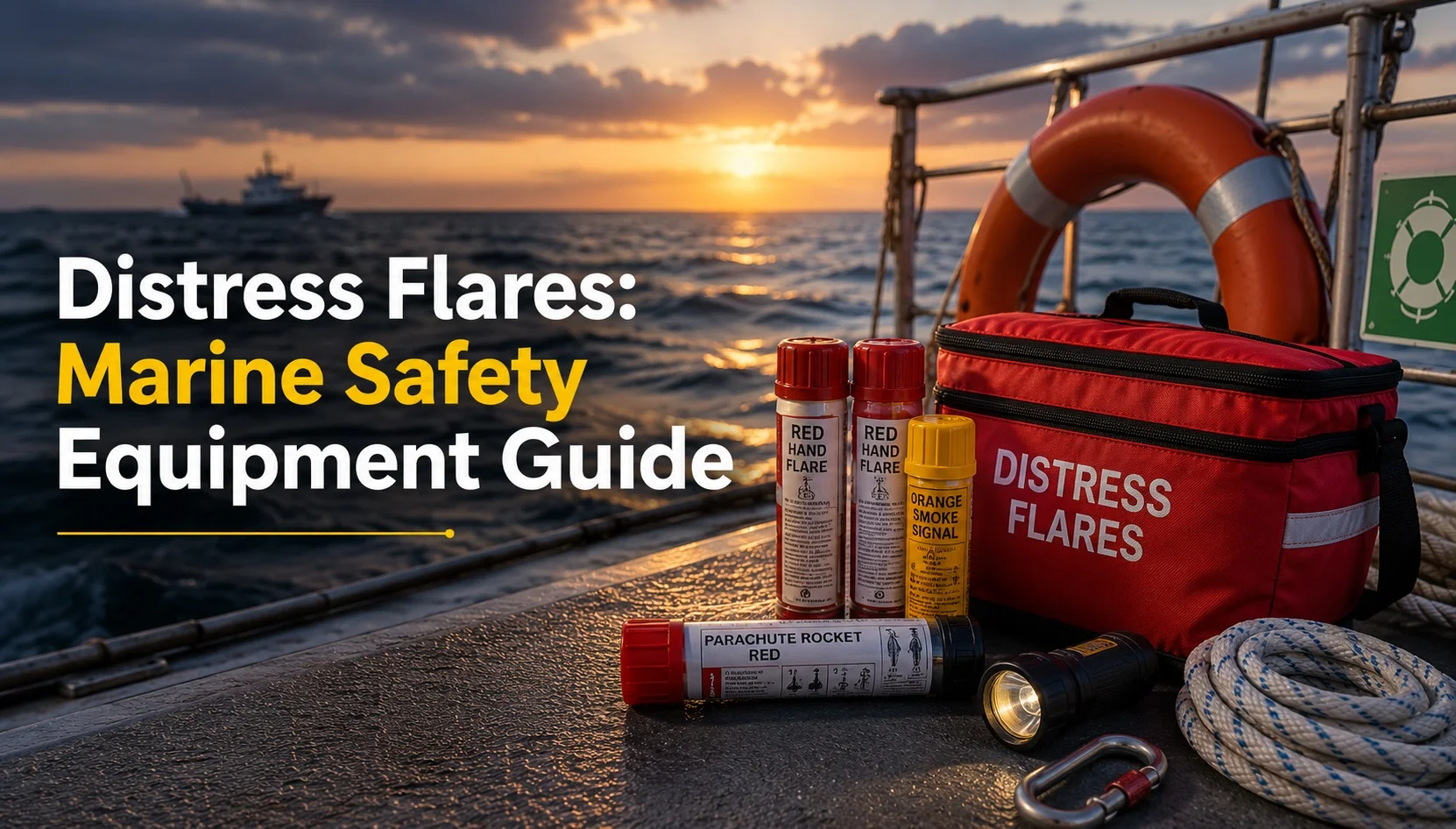
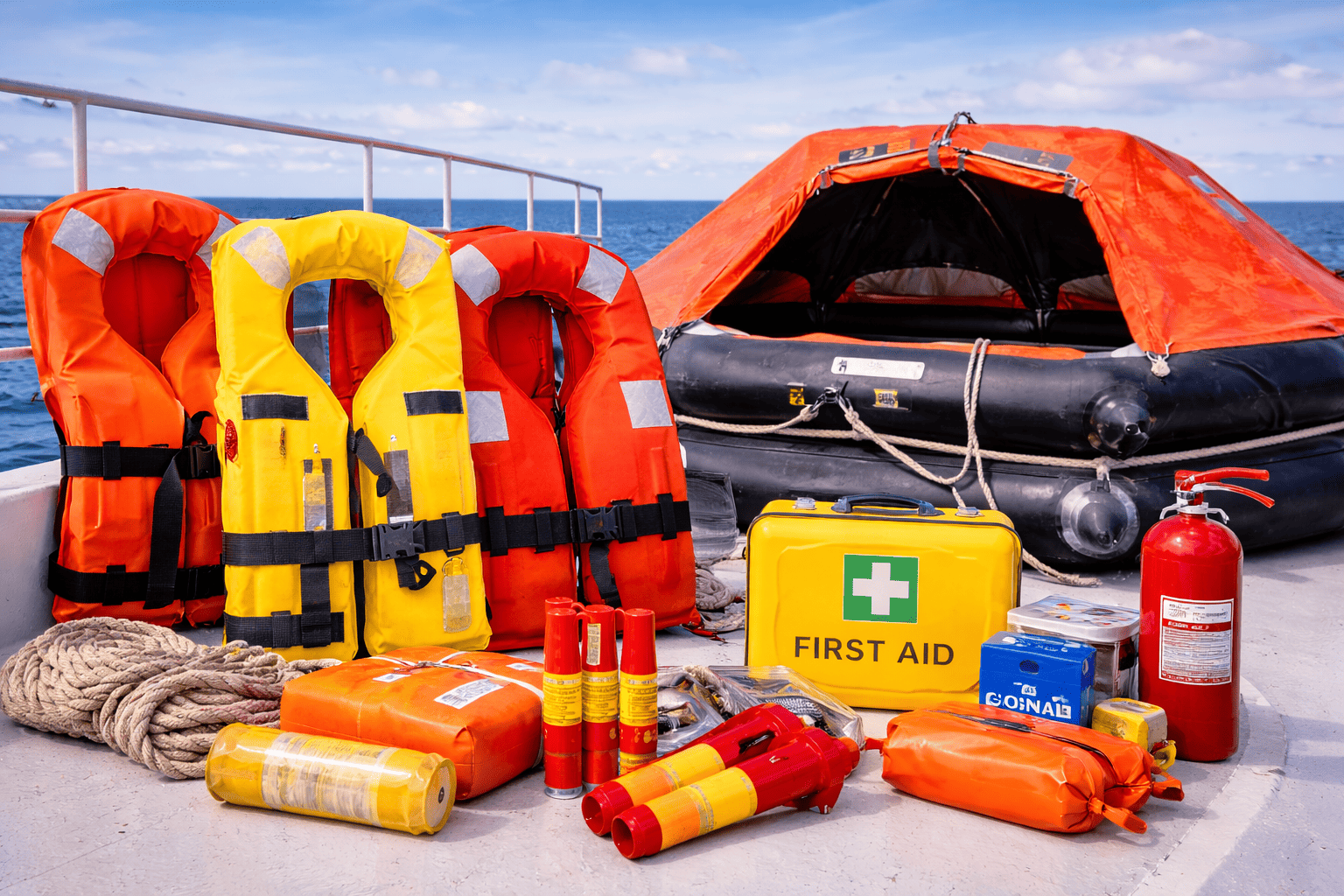
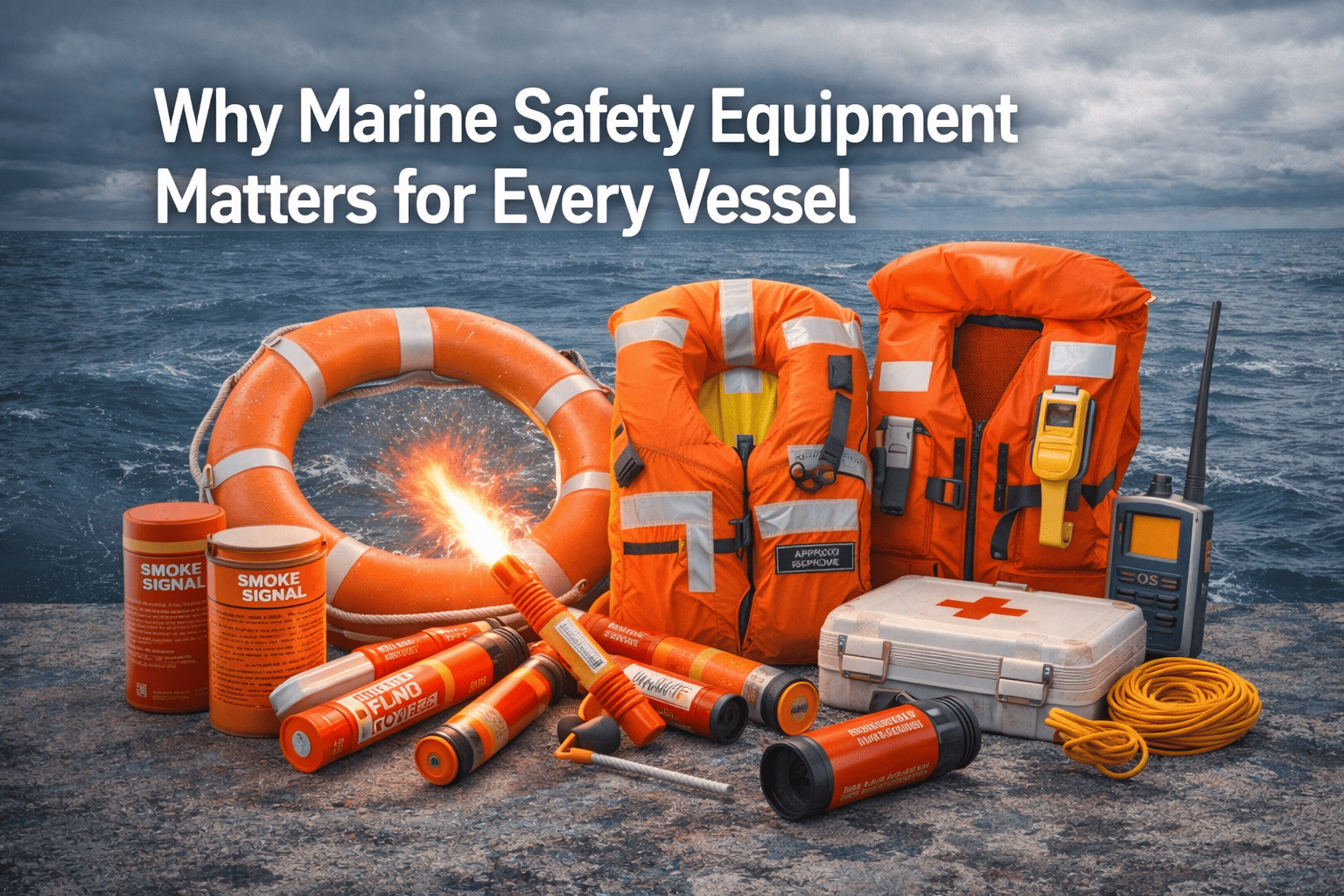
Depending on the vessel and its operation, your marine safety equipment may also include lifejackets, EPIRBs, lifebuoys, immersion suits, flares, first aid equipment, emergency lighting and other communication or survival equipment.
The MCA's guidance for fishing vessels, for example, covers liferafts alongside other lifesaving appliances and safety equipment.
Before an offshore trip or commercial operation, take time to review the condition and accessibility of the equipment onboard. It is also important that crew members understand how the equipment should be used.
Having the right equipment onboard is one thing. Knowing where it is and how to use it effectively is equally important.
Understand What Is Included in the Hire
Ensure that everything is clear before you sign up for a liferaft rental.
Check if the quoted price is inclusive of what and whether the company will offer a delivery, pickup, installation service or others. In addition, check out the length of rental and what will happen if you alter your demands.
In case you want a liferaft rental due to your own being serviced, ensure that it is clear about how long the rented one will be available. This can be helpful in case the servicing process becomes longer.
Clear information will help in making the whole process easier.
Choose an Experienced Marine Safety Supplier
The supplier you choose may also be as crucial as the equipment itself. This applies to commercial operators, fishing boats, charter companies and boats which are preparing for offshore operations.
Choose a supplier who understands UK marine safety legislation and who can clarify the differences between the equipment standards. Information on servicing, documentation, installation and hiring terms should be made clear too.
ADEC Marine offers life raft hire and marine safety equipment for marine users, which makes it relevant for customers seeking temporary safety equipment for their vessel.
Instead of deciding on cost alone, think about how much help the supplier can offer with the choice of equipment for your vessel and intended use.
Liferaft Hire Checklist
Before confirming your liferaft hire, make sure you have considered:
- Is the liferaft suitable for your vessel and operating area?
- Is the capacity sufficient for everyone onboard?
- Does it meet the applicable requirements or standards?
- When was it last serviced?
- Is the service documentation available?
- What equipment is included?
- Can it be safely stowed and launched?
- Are the HRU and securing arrangements appropriate?
- Are delivery, collection or installation included?
- Does your wider marine safety equipment meet your requirements?
When Does Liferaft Hire Make Sense?
Hiring may be justified in a number of cases. This could be due to the need for temporary equipment when your liferaft is undergoing servicing, or when you are preparing your yacht for an offshore passage.
Operators of charter services and sailing clubs might also have need for equipment during their seasonal activities, training sessions, or special occasions. The operator of commercial vessels and fishing vessels would have other needs based on the vessel they are using.
The key in all cases would be to select the right type of liferaft for the vessel, not just any type of liferaft.
Choose Liferaft Hire With Safety in Mind
What should be taken into account when considering a good liferaft hire package? Capacity, maintenance, relevant standards, storage, launch systems, and other marine safety equipment onboard should not be forgotten.
This may come in handy for yacht owners in the UK, leisure boat owners, fishing boats operators, and other marine businesses who will need to make sure their marine safety equipment is appropriate for what lies ahead.
If you need liferaft hire, ADEC Marine can assist you in analyzing your needs and choosing a suitable solution.





.webp)