Sign up with Google
 Sign in with Zoho
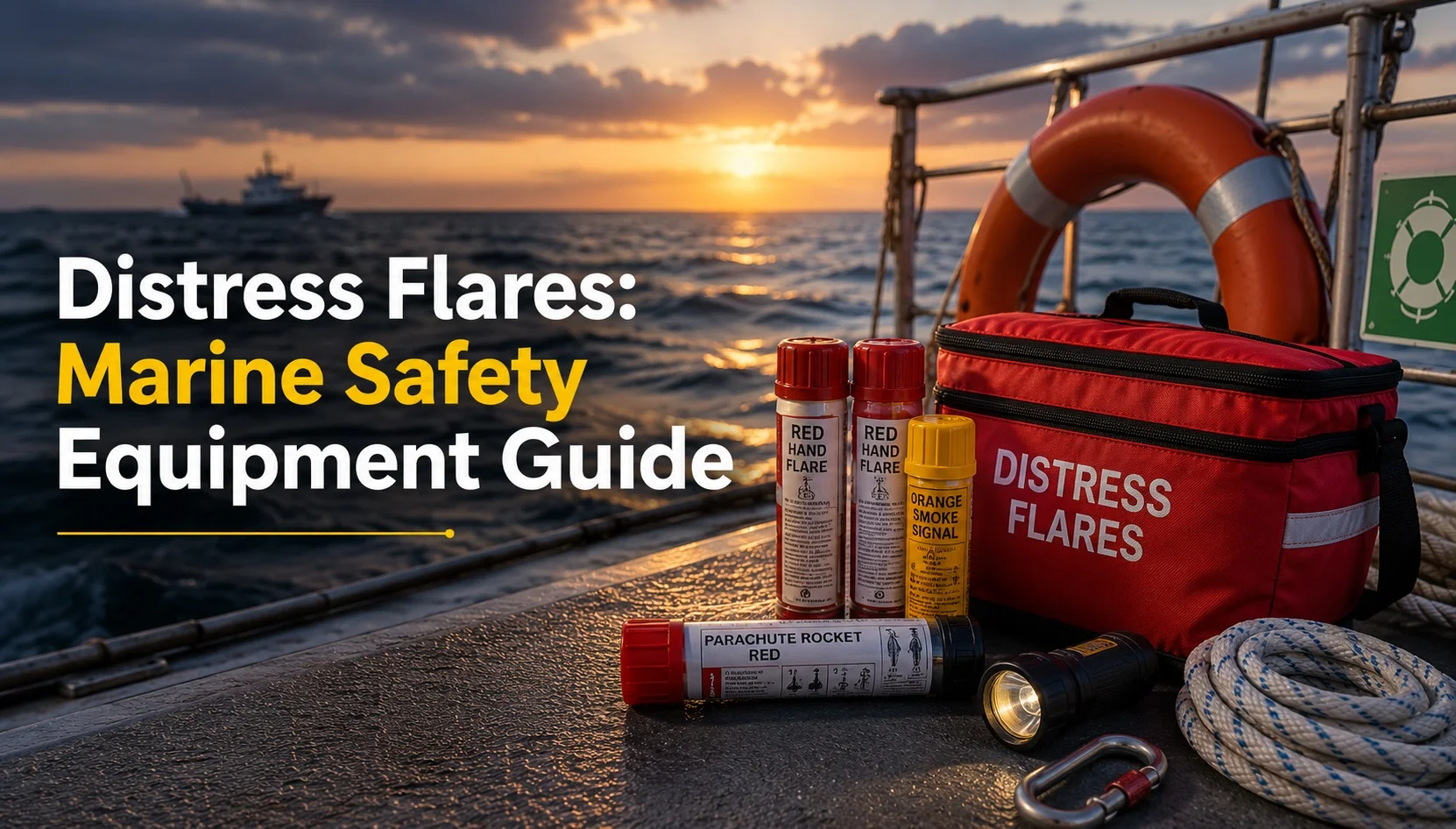
When you're out at sea, preparation is everything. From unexpected weather changes to equipment failures, emergencies can happen with little warning. In those critical moments, having the right safety equipment on board can significantly improve the chances of protecting your crew and ensuring a swift rescue.
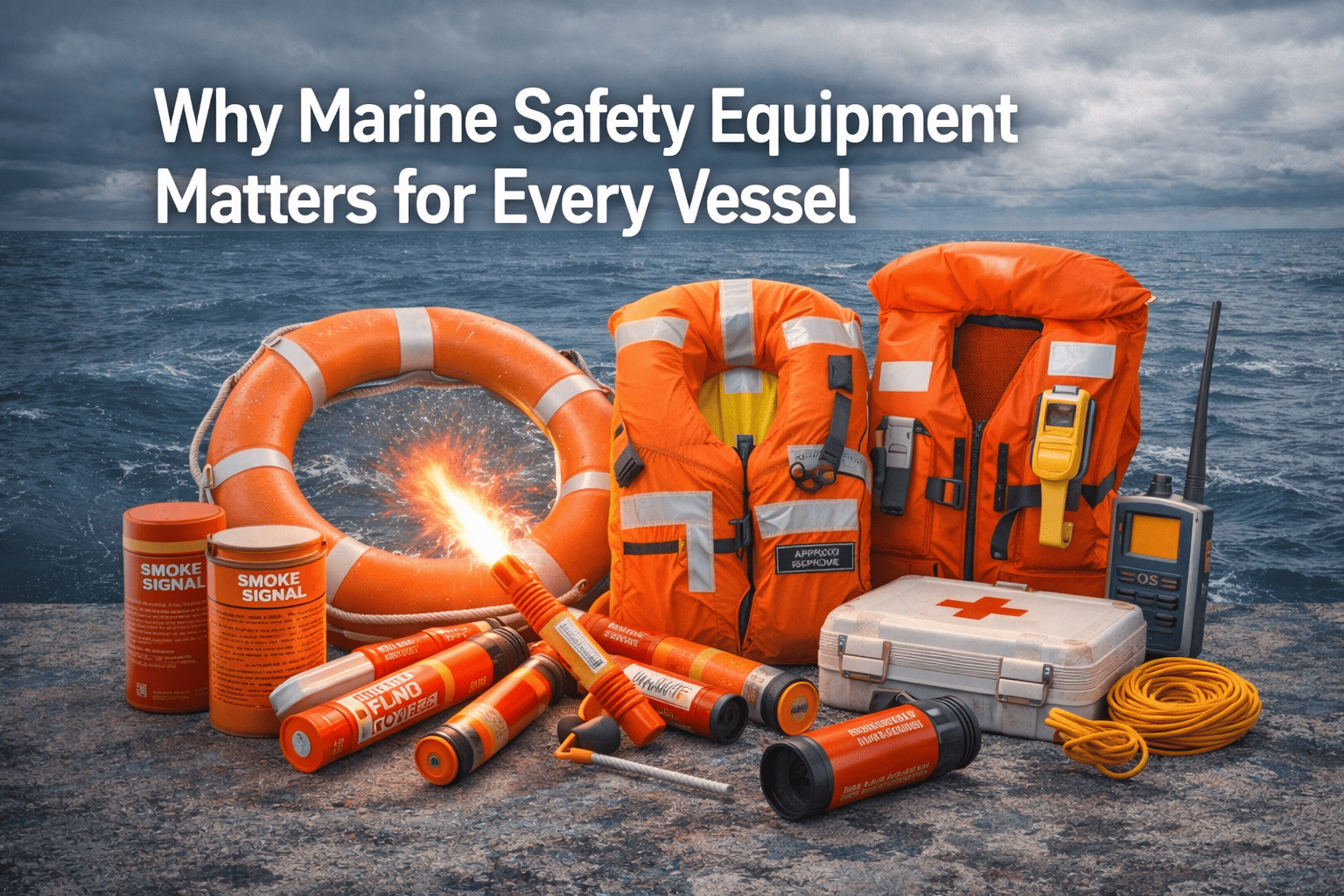
Among the many safety essentials carried on commercial and recreational vessels, distress flares continue to play a vital role. Even with modern technologies such as GPS, VHF radios, AIS, and EPIRBs, visual distress signals remain one of the quickest and most effective ways to alert nearby vessels and rescue teams to your location.
Whether you operate a fishing vessel, manage an offshore fleet, own a yacht, or oversee marina operations, understanding how distress flares fit into your overall marine safety plan is essential. In this guide, ADEC Marine explains the different types of distress flares, their importance, best practices for storage and maintenance, and how they complement other marine safety equipment on board.
Why Distress Flares Still Matter
Technology has transformed marine communication, but no single device can guarantee your safety in every emergency.
Imagine losing power during rough weather. Your navigation systems stop working, visibility is poor, and communication becomes difficult. In situations like these, a flare can immediately draw attention to your vessel, helping rescuers identify your location much faster.
Unlike electronic equipment, distress flares provide an unmistakable visual signal that can be seen from significant distances, even when radio communication isn't possible.
They are commonly used during:
- Engine or mechanical failures
- Fire onboard
- Flooding or sinking
- Man overboard incidents
- Medical emergencies
- Loss of communication systems
- Severe weather conditions
For many commercial operators, carrying reliable emergency signalling equipment is not simply good practice. It is an essential part of maintaining a safe and compliant vessel.
Understanding the Different Types of Distress Flares
Not every flare serves the same purpose. Knowing when and how to use each type can make a significant difference during an emergency.
Handheld Red Flares
Handheld flares produce a bright red flame that is highly visible at close range. They are generally used once rescuers or nearby vessels are within sight.
They are ideal for:
- Fishing boats
- Leisure craft
- Sailing yachts
- Commercial workboats
- Rescue vessels
Because they are simple to operate and easy to store, handheld flares are one of the most commonly carried signalling devices.
Rocket Parachute Flares
Rocket parachute flares are designed for long-distance visibility.
Once launched, they travel high into the air before descending slowly beneath a parachute, allowing the signal to remain visible for an extended period.
These are particularly useful for:
- Offshore support vessels
- Commercial ships
- Deep-sea fishing vessels
- Long-distance cruising yachts
For vessels operating miles from shore, rocket parachute flares can significantly improve the chances of being spotted quickly.
Orange Smoke Signals
Unlike red flares, orange smoke signals are intended for daylight emergencies.
They release a dense cloud of bright orange smoke, making it easier for rescue helicopters and nearby vessels to locate you during daylight hours.
Smoke signals are particularly effective during:
- Search and rescue operations
- Man overboard incidents
- Coastal emergencies
- Calm weather with good visibility
Floating Smoke Signals
Floating smoke signals remain on the water's surface while continuously producing orange smoke.
They are often used to mark a position during rescue operations, especially when someone has fallen overboard.
Many experienced mariners carry a combination of red flares, rocket flares, and smoke signals to ensure they're prepared for emergencies in different conditions.
Choosing the Right Distress Flares for Your Vessel
The right emergency equipment depends on where and how your vessel operates.
Consider the following factors before purchasing distress flares.
Vessel Type
Different vessels have different safety requirements.
Examples include:
- Commercial fishing vessels
- Offshore service boats
- Cargo vessels
- Patrol boats
- Sailing yachts
- Motor cruisers
- Recreational boats
Larger vessels operating offshore typically require a more comprehensive range of signalling equipment than boats used solely in coastal waters.
Operating Area
Think about where your vessel spends most of its time.
Questions to ask include:
- Do you operate offshore?
- Do you regularly sail at night?
- Are you crossing busy shipping routes?
- Are you working in remote waters?
The further your vessel travels from shore, the more important it becomes to carry multiple forms of emergency signalling equipment.
Proper Storage and Maintenance
Even the highest-quality flare becomes unreliable if it has been poorly stored or allowed to expire.
To keep your emergency equipment ready for use:
Store in a dry location
Moisture is one of the biggest causes of damaged flares. Always keep them in a waterproof container where possible.
Protect against excessive heat
Extreme temperatures can affect the performance of pyrotechnic safety devices.
Keep them accessible
Emergency equipment should be easy to reach during an emergency. Avoid storing flares beneath heavy equipment or cargo.
Inspect regularly
Routine inspections should include checking:
- Expiry dates
- Packaging condition
- Corrosion
- Signs of water damage
Regular inspections should form part of every vessel's maintenance schedule.
What to Do with Expired Distress Flares
Like many safety products, distress flares have a limited shelf life.
Expired flares may:
- Fail to ignite
- Burn less brightly
- Produce inconsistent performance
- No longer meet recognised safety standards
Never dispose of expired flares in general waste or attempt to activate them unnecessarily.
Instead, contact your local authority or an authorised marine safety provider for guidance on safe disposal.
Replacing expired equipment promptly helps ensure you're always prepared for unexpected situations.
Essential Marine Safety Equipment Every Vessel Should Carry
While distress flares are important, they should never be your only emergency equipment.
A well-prepared vessel should also carry:
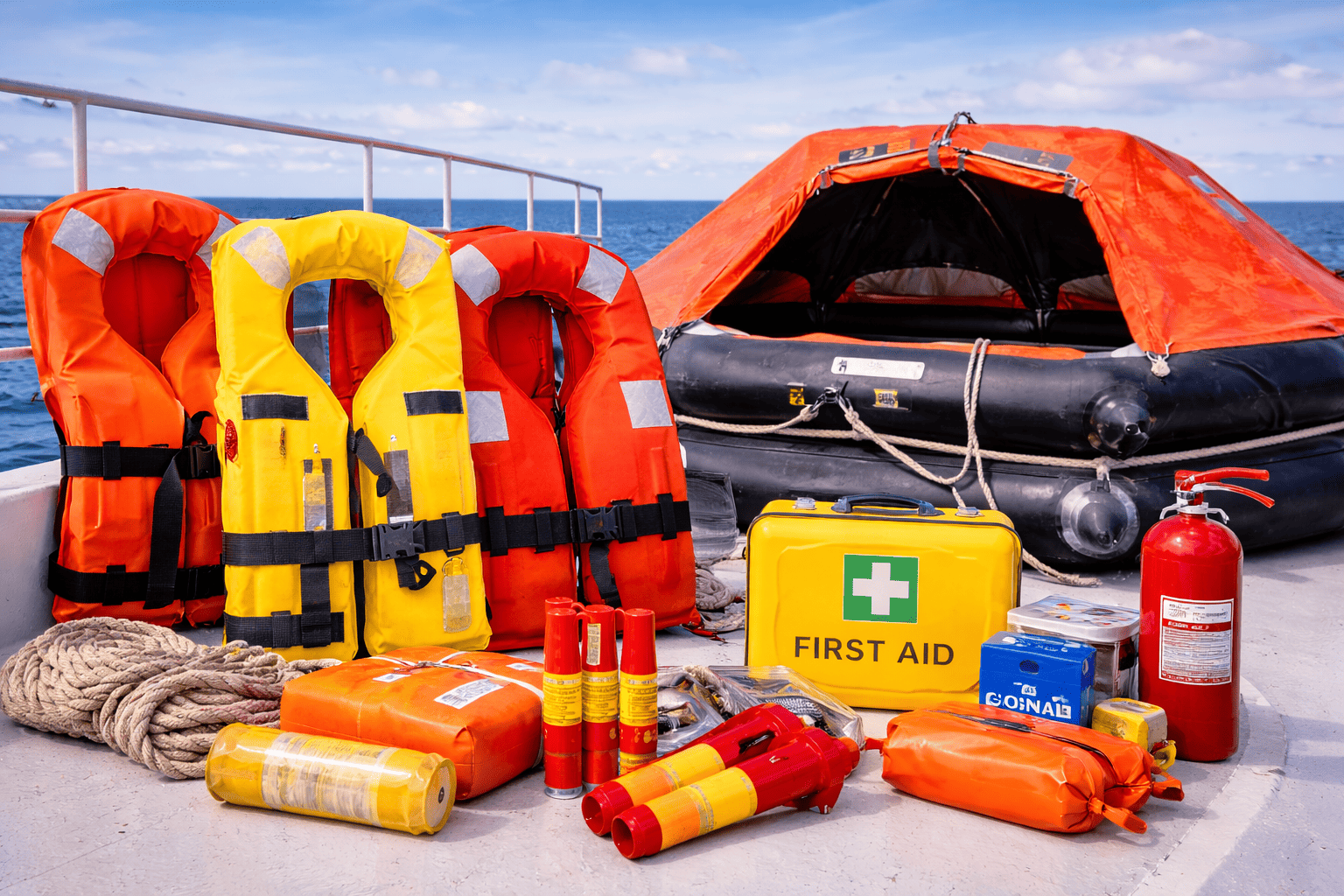
- Approved lifejackets
- Lifebuoys
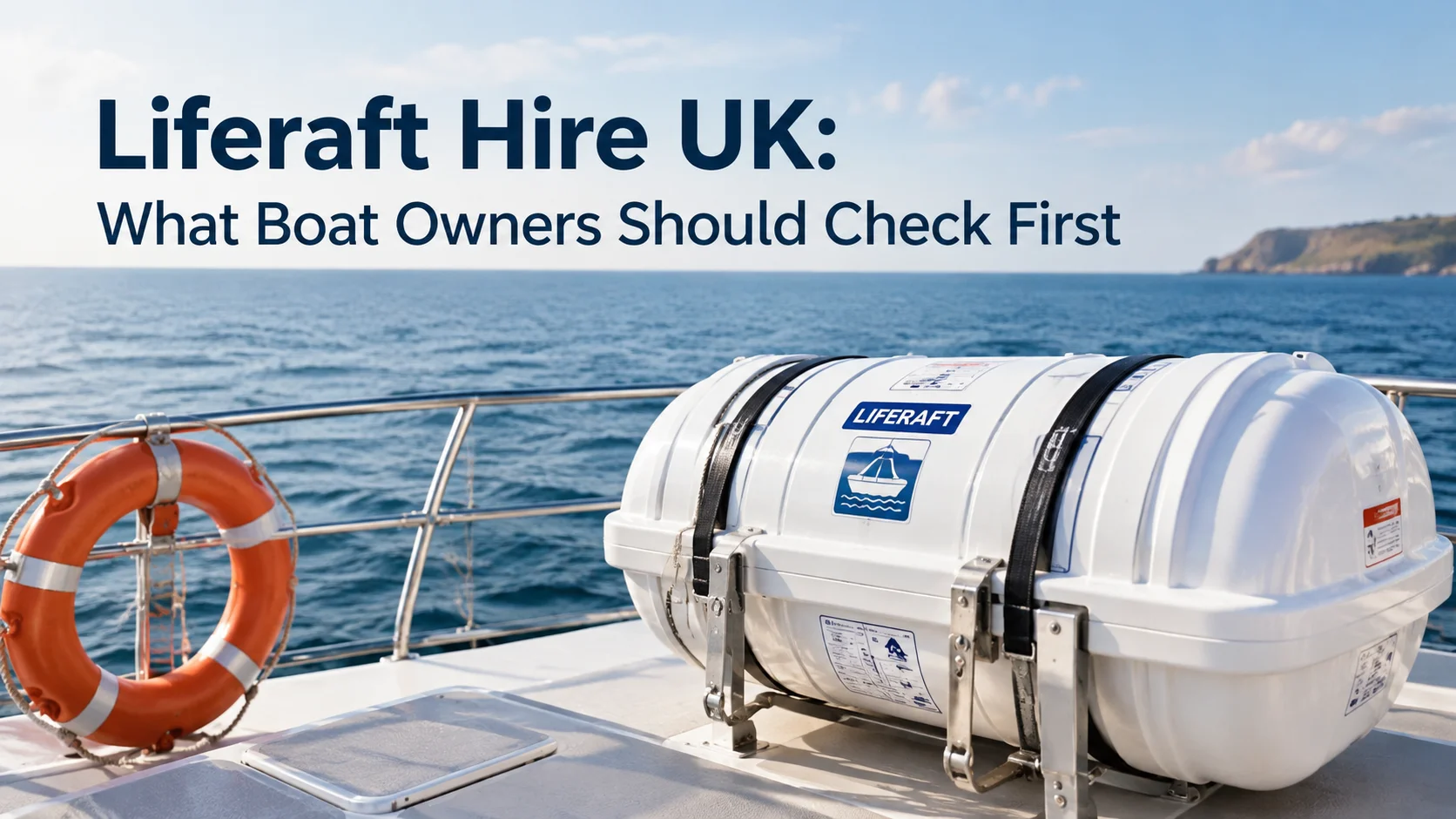
- Liferafts
- EPIRBs
- Personal Locator Beacons (PLBs)
- Marine VHF radios
- Fire extinguishers
- Fire blankets
- First aid kits
- Emergency grab bags
- Searchlights
- Throw lines
- Emergency lighting
- Immersion suits where appropriate
Each item plays an important role in protecting lives at sea.
The exact equipment required depends on the vessel's size, operating area, and intended use, but carrying a complete safety kit provides greater confidence and improves emergency preparedness.
Common Mistakes Boat Owners Make
Many marine incidents reveal the same preventable mistakes.
Avoid these common issues:
- Carrying expired flares
- Purchasing uncertified products
- Storing emergency equipment in inaccessible locations
- Forgetting routine inspections
- Not replacing damaged equipment
- Failing to train crew members on emergency procedures
- Assuming electronic equipment alone is sufficient
Regular drills and equipment checks ensure everyone on board knows what to do if an emergency occurs.
Why Quality Marine Safety Equipment Makes a Difference
When lives are at stake, reliability matters.
Investing in quality marine safety equipment provides several important benefits:
Improved crew safety
Reliable equipment performs as expected during emergencies.
Better regulatory compliance
Using certified products helps commercial operators meet industry requirements.
Greater peace of mind
Knowing your vessel is properly equipped allows owners and crew to operate with confidence.
Reduced operational risk
Routine maintenance and dependable safety equipment help minimise avoidable incidents.
Rather than viewing safety equipment as a regulatory obligation, it should be seen as an investment in protecting people, vessels, and operations.
Why Choose ADEC Marine?
Choosing a trusted supplier is just as important as choosing the right products.
With years of experience supporting the UK marine industry, ADEC Marine provides high-quality safety equipment for commercial operators, fishing fleets, offshore businesses, yacht owners, sailing clubs, and recreational boaters.
Customers choose ADEC Marine for:
- Certified marine safety products
- Reliable distress flares
- Liferaft servicing and inspections
- Expert guidance from experienced marine professionals
- Solutions tailored to both commercial and leisure vessels
- Ongoing support for vessel safety and compliance
Whether you're replacing expired equipment, upgrading your onboard safety systems, or preparing a new vessel for operation, working with an experienced supplier helps ensure you select equipment that's suitable for your needs.
Conclusion
No one expects to face an emergency at sea, but being prepared can make all the difference when the unexpected happens. Distress flares remain one of the most effective ways to attract attention during an emergency, complementing modern communication systems and helping rescue teams locate vessels quickly.
However, true preparedness goes beyond carrying a single piece of equipment. A well-maintained collection of lifejackets, liferafts, emergency beacons, fire safety equipment, first aid supplies, and reliable signalling devices creates a safer environment for everyone on board. Regular inspections, proper storage, and crew training are equally important in ensuring that every item performs when it's needed most.
Whether you're responsible for a commercial fleet, an offshore vessel, a fishing boat, or a recreational yacht, investing in quality marine safety equipment is an investment in protecting lives and maintaining confidence on the water.
At ADEC Marine, we're committed to helping vessel owners and marine professionals across the UK choose dependable safety solutions that meet their operational needs. From distress flares and liferaft servicing to a comprehensive range of marine safety equipment, our team is here to support safer journeys at sea, every time you leave the harbour.
Frequently Asked Questions:
1. How long do distress flares last?
A: Most flares have a manufacturer-specified expiry date. They should be inspected regularly and replaced before they expire.
2. Are distress flares required on every boat?
A: Requirements vary depending on the vessel type and where it operates. Commercial vessels often have stricter safety obligations than recreational boats.
3. How often should marine safety equipment be inspected?
A: Safety equipment should be checked before every voyage, with more detailed inspections carried out as part of scheduled maintenance.
4. Where should flares be stored?
A: They should be kept somewhere dry, secure, and easy to access during an emergency.
5. Can I use expired flares?
A: No. Expired flares should be replaced and disposed of safely through approved channels.