
 Sign up with Google
 Sign in with Zoho
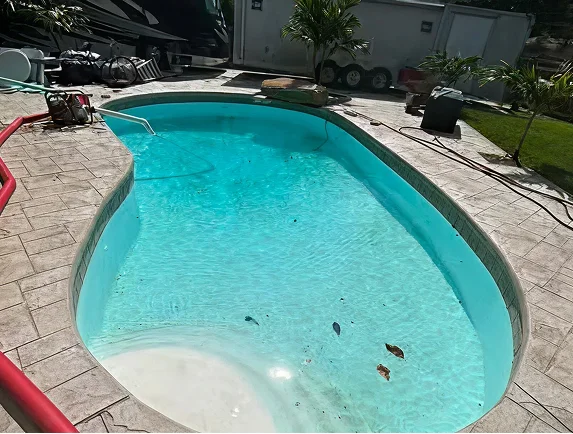
There's nothing quite like having a fiberglass pool in your backyard. That smooth, glossy surface, the easy upkeep compared to concrete, the sheer amount of summer afternoons it makes possible — it's easy to see why so many homeowners love them. But no pool stays perfect forever. Sun, chemicals, weather swings, and just plain daily use all take a toll on that surface over time, whether you notice it happening or not.
The good news is that the damage doesn't show up overnight. It creeps in slowly. Maybe the color that used to look vibrant now seems a little washed out. Maybe you run your hand along the wall and it feels grittier than it used to. Small stains, a chalky white film, hairline cracks, spots where the finish is starting to lift — these are all things worth paying attention to, because catching them early is a lot cheaper (and a lot less stressful) than dealing with structural repairs down the road.
That is where resurfacing comes in. When done correctly, it repairs damaged spots, strengthens weak areas, and adds a fresh gelcoat or epoxy layer that can bring an old, tired-looking pool back to life. Here is a closer look at why surface damage happens, what signs to watch for, and how to care for your pool before and after professional fiberglass pool resurfacing.
Why Fiberglass Surfaces Break Down in the First Place
Every fiberglass pool has a gelcoat layer sitting on top — think of it as the pool's skin. It's what stands between the fiberglass shell underneath and everything the pool gets exposed to: sun, chemicals, and years of swimming. Eventually, that layer starts to wear thin.
UV rays are probably the biggest culprit behind fading. Day after day of sun exposure slowly bleaches the color out of the gelcoat. Water chemistry plays a big role too — if your pH, alkalinity, chlorine, or calcium levels are off for extended stretches, the surface can turn chalky, get stained, or just feel rough to the touch.
And then there's just... time. Even a well-maintained pool eventually shows its age after enough seasons of swimming, cleaning, and chemical exposure. Resurfacing is really about stepping in before that wear reaches down into the actual fiberglass structure, not just after.
Signs Your Pool Might Need Attention
Don't wait for a major problem to force your hand — it's worth doing a quick visual and physical check every so often. Here's what tends to show up first:
- The color looks faded or blotchy in places
- The surface feels rough or scratchy instead of smooth
- A white, chalky residue rubs off when you touch it
- The gelcoat is peeling or flaking
- You notice blisters or small bubbles
- Stains that won't budge no matter how much you scrub
- Spider cracks, or worse, larger structural cracks
- Soft or damaged spots near steps and corners
That chalky feeling is usually the easiest to spot — run your hand along the wall, and if it comes away with a powdery white film, that's your answer. Peeling and blistering usually mean the coating has stopped bonding properly to the fiberglass underneath.
Cracks are the one thing you really don't want to ignore. A hairline surface crack is usually a quick fix. Let it sit too long, though, and it can turn into something that needs actual fiberglass reinforcement — a much bigger, more expensive job than it needed to be.
Keeping the Water Chemistry in Check
If there's one habit that protects a fiberglass pool more than anything else, it's staying on top of water balance. This matters whether your surface is old or freshly resurfaced — bad chemistry can damage either one.
Test your water regularly. Keep an eye on pH, chlorine, alkalinity, and calcium hardness. And be careful about dumping concentrated chemicals straight into the pool — letting them sit in one spot can bleach, stain, or eat away at the coating.
Whenever you're adding chemicals, follow the product instructions and let the circulation system spread them evenly rather than pouring them in one place. If your pool was recently resurfaced, your contractor probably gave you specific startup instructions — stick to them closely, since the new coating is still curing and needs a bit of extra care during that window.
Beyond protecting the surface, staying consistent with water maintenance just makes for a nicer, clearer pool to swim in.
Cleaning the Right Way
Fiberglass is smoother than concrete, so you really don't need harsh tools to keep it clean. Skip the wire brushes and abrasive cleaners unless a pool pro specifically tells you to use them.
Stick to a soft brush made for fiberglass surfaces, and give the walls, steps, corners, and floor a regular once-over to keep algae and grime from building up. Pay special attention to the waterline — sunscreen, body oils, and leaves tend to collect there and can leave stubborn stains if ignored.
Don't forget the filter, either. A clean, well-maintained filtration system keeps a lot of debris from ever settling on the pool surface in the first place.
One more thing — before reaching for a stain remover, double-check that it's actually safe for fiberglass. Some products will lift the stain just fine but strip or damage the finish while they're at it.
Fix the Cracks Before the New Coating Goes On
Resurfacing isn't about painting over problems — it's about fixing them first. Any cracks, soft spots, or weakened fiberglass need to be addressed before a new coating touches the surface.
Typically, a contractor will drain the pool safely and inspect it thoroughly. The damaged gelcoat gets ground or sanded away, cracks get prepped, and anything structural gets reinforced with fiberglass. Only after all that is the surface actually ready for the new coating.
Surface prep matters more than people realize. Apply a fresh gelcoat or epoxy over a surface that's still dirty, weak, or poorly prepped, and you're just setting it up to peel or blister again down the line.
Also worth noting: fiberglass pools need different materials and techniques than concrete ones. Make sure whoever you hire actually has experience specifically with fiberglass repair and coating — not just pools in general.
Don't Drain the Pool Yourself Without Professional Guidance
This one surprises a lot of people. Draining a fiberglass pool isn't as simple as just pulling the plug. Groundwater pressure underneath an empty pool can actually cause the shell to shift, lift, or crack.
Before any draining happens, a professional should assess the groundwater and hydrostatic pressure situation. It's a step that's easy to overlook but genuinely important for protecting the structure during the project.
If you're not sure about your local soil conditions or water table, don't attempt a full drain on your own. Fixing a shifted pool shell costs a lot more than hiring someone experienced to do it right the first time.
Picking the Right Coating
Most fiberglass resurfacing jobs use either a gelcoat or an epoxy coating system, and which one makes sense depends on your pool's current condition, its existing coating, your climate, and what kind of repairs are involved.
Gelcoat tends to give a finish close to the pool's original look and feel. Epoxy systems, when applied correctly and designed for fiberglass, can offer strong, durable protection as well.
The material matters, but honestly, the application process matters just as much. The surface needs to be clean, dry, and properly prepped for bonding, and factors like temperature, humidity, and curing time all affect how the final result holds up.
Don't be afraid to ask your contractor which coating they're recommending, why it's the right fit for your pool, and what kind of maintenance it'll need once it's installed.
Give It Time to Cure
A brand-new coating needs time to properly set before the pool goes back into use. Fill it too soon or expose it to the wrong conditions, and you risk weakening the bond before it's had a chance to fully cure.
How long that takes depends on the coating system, the size of the pool, how much repair work was involved, and the weather. According to Sims Pool Upgrades, many fiberglass resurfacing projects can be completed in approximately three to five days, though bigger repair jobs can take longer.
Once curing is done, refilling and restarting the pool has to be handled carefully too — follow the guidance you're given on filling, circulation, brushing, and getting the chemical balance right. A careful startup goes a long way toward protecting that new surface while it's still in its most vulnerable stage.
What Affects the Cost
There's no flat rate for resurfacing — pricing really depends on the specifics of your pool. A few things that tend to move the number up or down:
- The size and shape of the pool
- How bad the current surface damage is
- How many cracks there are, and how deep
- How much fiberglass reinforcement is needed
- Which coating system you choose
- How easy (or hard) the pool area is to access
- What kind of prep and drainage work is required
A pool with some mild fading and surface wear is obviously going to cost less to fix than one with peeling gelcoat, deep cracks, or blistering. That's why an in-person inspection matters — it's the only way to get an estimate that actually reflects what your pool needs.
And when you're comparing quotes from different contractors, look closely at what's actually included. A suspiciously low bid might be leaving out crack repairs, structural work, proper surface prep, or startup support — all things you'll want covered.
Taking Care of It After Resurfacing
Good maintenance is what makes a resurfacing job actually last. Sims Pool Upgrades notes that a professionally resurfaced pool may last approximately 10 to 15 years with proper maintenance — though the real number depends on things like coating quality, installation, water chemistry, and how well you keep up with it.
Test your water on a regular schedule, clean the surface with tools that won't scratch it, fix equipment leaks promptly, and deal with stains before they set in. It's also worth checking the surface at the start of every swim season for any changes in texture, color, or finish.
If you ever notice unusual cracking, stains that won't go away, peeling, or rough patches, get a professional to take a look sooner rather than later. Catching problems early is almost always cheaper and easier than waiting until they turn into a bigger structural fix.
Finding the Right Contractor
At the end of the day, how well this job goes depends heavily on who you hire. Ask potential contractors about their process for fiberglass resurfacing specifically, what coating materials they use, how they handle crack repairs, and whether they're licensed and insured. It's also fair to ask about warranty terms and to see examples of past work.
Sims Pool Upgrades LLC handles fiberglass pool resurfacing throughout St. Petersburg, Pinellas County, Sarasota, and the surrounding Gulf Coast area. Their process covers safe draining, surface prep, structural fiberglass repair, coating application, controlled curing, and startup guidance from start to finish.
Whoever you go with, get a detailed written estimate before signing off on anything, and make sure you understand exactly what's included — timeline, prep work, repairs, coating type, cleanup, and aftercare. Clear communication upfront saves you from surprises later.
The Bottom Line
Resurfacing can genuinely give an aging fiberglass pool a second life — better looks, a smoother feel, and stronger protection going forward. The trick is not waiting until fading, chalking, or small cracks turn into something bigger and more expensive.
Stay on top of regular inspections, keep your water chemistry balanced, clean gently, handle repairs while they're still small, and hire someone who genuinely knows fiberglass. Do that, and you'll get to enjoy a clean, smooth, good-looking pool for many summers to come.








.webp)