Sign up with Google
 Sign in with Zoho

Introduction
In modern industrial environments, particularly within the turbine industry, reliable power management and precise instrumentation are essential for efficient and safe operations. Turbine control systems rely on advanced electronic boards to regulate electrical power, monitor system conditions, and ensure smooth coordination between various components. GE industrial boards are widely recognized for fulfilling these critical roles in both gas and steam turbine applications.
The Importance of Power Regulation in Turbine Systems
Turbines operate under highly demanding conditions, where even minor electrical inconsistencies can lead to performance issues or system failures. Stable power supply is crucial for maintaining the functionality of control systems, sensors, and communication modules.
Power regulation boards are designed to convert incoming electrical energy into stable DC voltage levels required by sensitive electronic circuits. They protect equipment from voltage spikes, dips, and fluctuations that are common in industrial environments. By maintaining consistent power output, these boards help prevent unexpected shutdowns and extend the lifespan of turbine control systems.
In turbine operations, where reliability is directly linked to productivity and safety, effective power regulation is not just beneficial—it is essential.
Role of Instrumentation in Industrial Boards
Instrumentation is a key component of turbine control systems, enabling real-time monitoring and analysis of critical parameters such as temperature, pressure, speed, and electrical output.
Industrial boards equipped with instrumentation capabilities act as a bridge between field sensors and the central control system. They collect signals from various sensors, process the data, and transmit it for monitoring and decision-making. This allows operators to track system performance continuously and detect abnormalities before they escalate into serious issues.
Accurate instrumentation ensures that turbines operate within safe limits, improves efficiency, and supports predictive maintenance strategies. Without reliable data acquisition and processing, maintaining optimal turbine performance would be extremely challenging.
Integrated Power Supply and Instrumentation Boards in Turbine Applications
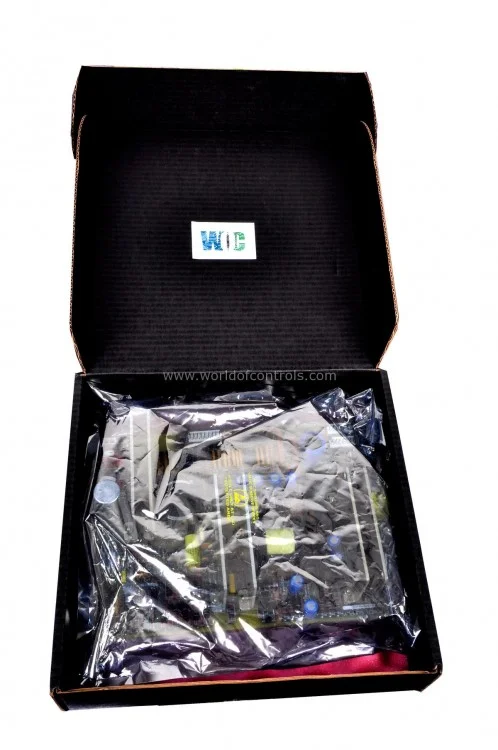
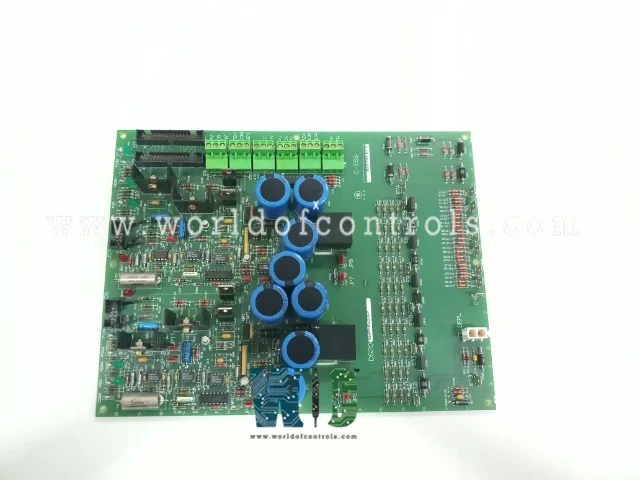
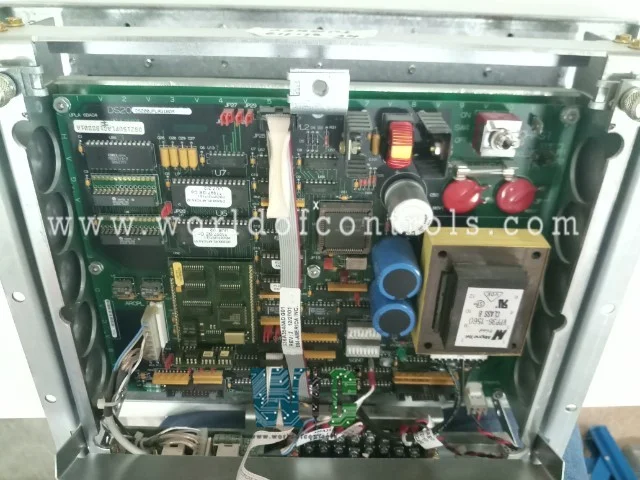
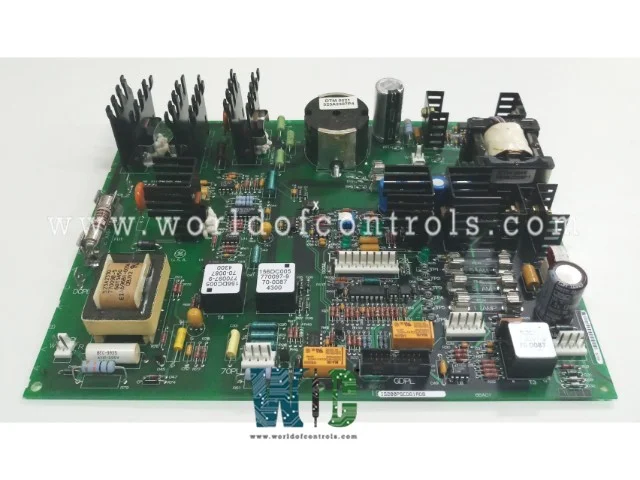
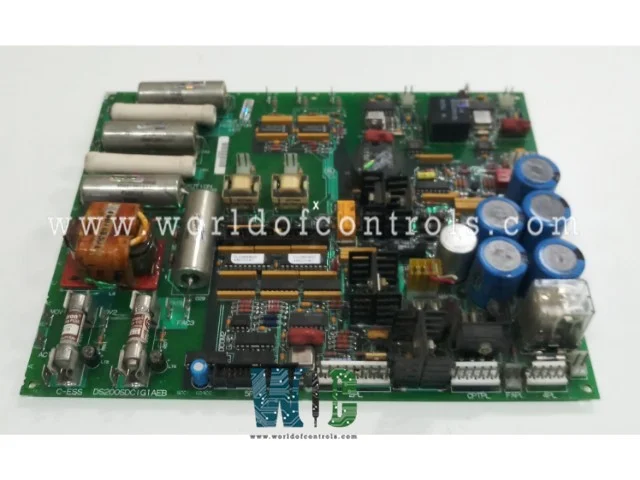
In many GE turbine control systems, a specialized board combines both power regulation and instrumentation functions into a single unit. This integrated approach simplifies system design while enhancing overall performance.
Within the turbine environment, such a board is responsible for supplying regulated DC power to control modules and simultaneously supporting signal processing tasks. It ensures that all connected components receive consistent power while also enabling accurate communication between sensors and the control system.
These boards are commonly used in widely deployed GE turbine control platforms, where they support essential functions such as system startup, load control, and protective operations. Their ability to handle multiple roles makes them a central element in the control architecture.
By integrating power supply and instrumentation capabilities, these boards reduce the need for multiple separate components. This not only saves space but also minimizes wiring complexity and potential points of failure.
Key Benefits of Integrated Boards
The combination of power regulation and instrumentation in a single board offers several advantages in turbine systems:
- Enhanced Reliability: Fewer individual components lead to reduced failure rates and improved system stability.
- Operational Efficiency: Streamlined processes allow faster response to changing conditions.
- Compact System Design: Integrated boards help optimize space in control panels.
- Easier Maintenance: Centralized functionality simplifies troubleshooting and repairs.
These benefits are especially important in turbine applications, where downtime can be costly and operational continuity is critical.
Conclusion
Power regulation and instrumentation form the backbone of modern turbine control systems. GE industrial boards that integrate these functions play a vital role in ensuring stable operation, accurate monitoring, and overall system efficiency.
By delivering consistent power and enabling real-time data processing, these boards help turbines operate safely and effectively under demanding conditions. As the turbine industry continues to evolve, the importance of such integrated solutions will only grow, supporting higher performance standards and improved reliability across industrial operations.