Sign up with Google
 Sign in with Zoho


Growth is a positive sign for any business, but expansion can create new challenges that were not present when the company was smaller.
A business may move into a larger office, add another floor, increase its inventory, hire more employees, or begin operating across multiple locations. Each change can affect how people access the premises and how valuable assets are protected.
The solution is not necessarily to add security devices everywhere. A better approach is to review the business as it grows and make changes where they are genuinely needed.
Growth Changes the Security Picture
A small business may initially have one entrance and a handful of employees.
As the company grows, there may be multiple departments, more visitors, delivery personnel, contractors, and employees working different shifts.
The original security setup may not have been designed for this level of activity.
This is why security should be reviewed whenever a business undergoes a major operational change.
Map the New Premises
If the business moves to a larger location, start with a simple walkthrough.
Identify:
- Main entrances
- Employee entrances
- Emergency exits
- Reception areas
- Parking spaces
- Storage rooms
- Server or equipment rooms
- Loading and delivery areas
- Restricted offices
This creates a basic map of where security attention may be required.
Not every area needs the same type of protection.
Separate Public and Restricted Areas
Growing businesses often have more people entering the premises.
Customers may need access to reception or service areas, while employees may need access to offices, stock rooms, or workspaces.
Restricted areas should be clearly separated from public areas.
Access controls, employee identification, or other security measures can help businesses manage who enters particular spaces.
Don't Forget About New Employees
Hiring more people changes access management.
A company should have a simple process for providing access to new employees and removing it when someone leaves.
This can apply to physical keys, access cards, security applications, and other systems.
Keeping access organized becomes increasingly important as the number of employees grows.
Cameras Can Help Businesses Understand Activity
Video monitoring can provide useful visibility around important areas.
Depending on the business, cameras may be useful near entrances, reception areas, parking spaces, inventory rooms, loading areas, or other locations where visual information matters.
The goal isn't to monitor every part of the workplace.
Instead, businesses can focus on areas where knowing what happened could help with security, safety, or incident review.
Sensors Can Complement Cameras
Cameras and sensors perform different functions.
A camera can provide visual information, while a sensor can identify an event such as a door opening or movement in a monitored area.
Combining these technologies can provide more context.
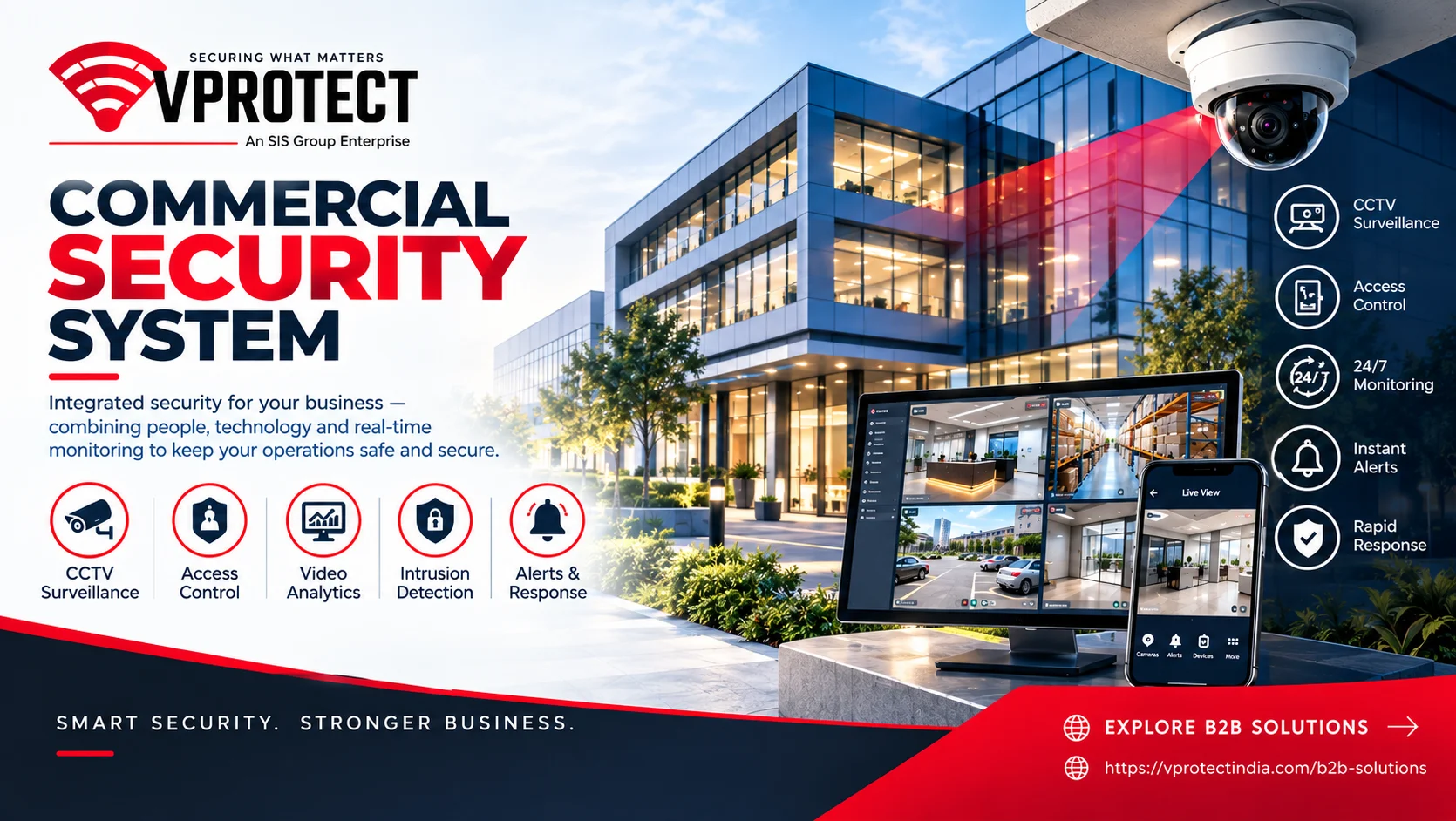
Businesses evaluating Business Security Solutions can consider how different security components could work together based on the size, layout, and daily activity of their premises.
Consider Multiple Locations
Some businesses expand by opening additional offices, shops, warehouses, or branches.
Managing security across multiple locations can become difficult if every site uses a completely different approach.
Where appropriate, businesses may benefit from having consistent processes for access management, incident reporting, device maintenance, and monitoring.
A consistent framework can make it easier for management to understand what is happening across different locations.
Think About After-Hours Operations
Growth can also mean longer operating hours.
Some businesses may introduce evening shifts, weekend work, or 24-hour operations.
Security requirements can change depending on when employees are present.
A system designed for a 9-to-5 office may not be suitable for a business operating late into the night.
Consider who should have access during different hours and what types of activity should trigger attention when the premises are normally empty.
Prepare for Power and Connectivity Issues
Security technology depends on infrastructure.
Businesses should understand how their security equipment behaves during power cuts, internet outages, or network problems.
Important questions include whether backup power is available, how alerts are delivered during connectivity problems, and which functions remain operational during an interruption.
This is particularly relevant for businesses that depend heavily on connected cameras, sensors, and access systems.
Security Shouldn't Slow Down Employees
A security system that is too complicated can become an operational problem.
Employees should be able to enter the workplace, access the areas they need, and perform their jobs without constantly dealing with unnecessary alerts or confusing procedures.
Security measures should therefore be designed around actual workflows.
The goal is to create sensible controls without turning normal business activity into a series of obstacles.
Review Security After Every Major Expansion
Business growth is rarely a single event.
A company may gradually add employees, equipment, departments, storage areas, or new locations.
Rather than waiting until there is an obvious problem, make security reviews part of the expansion process.
Whenever the physical layout or operations change, ask whether the existing security setup still provides appropriate coverage.
Build Security Alongside Growth
A growing business has many things to think about, from hiring and customer service to equipment and finances.
Security can easily become something that gets considered only after an incident.
Planning it alongside growth can make the process much easier.
Map the premises, understand who needs access, identify important assets, consider operating hours, and then choose technology that addresses the actual requirements.
A scalable security approach can help businesses adapt as they grow without making security unnecessarily complicated or slowing down everyday operations.