Sign up with Google
 Sign in with Zoho

Picture this: a kid curled up on the couch, rulebook in hand, mapping out dungeon corridors and scribbling lore for their next campaign. Sound familiar? Millions of children across the world have fallen head over heels for Dungeons & Dragons, and for good reason. The game sharpens imagination, builds problem-solving skills, and quietly teaches kids that collaboration beats going it alone.
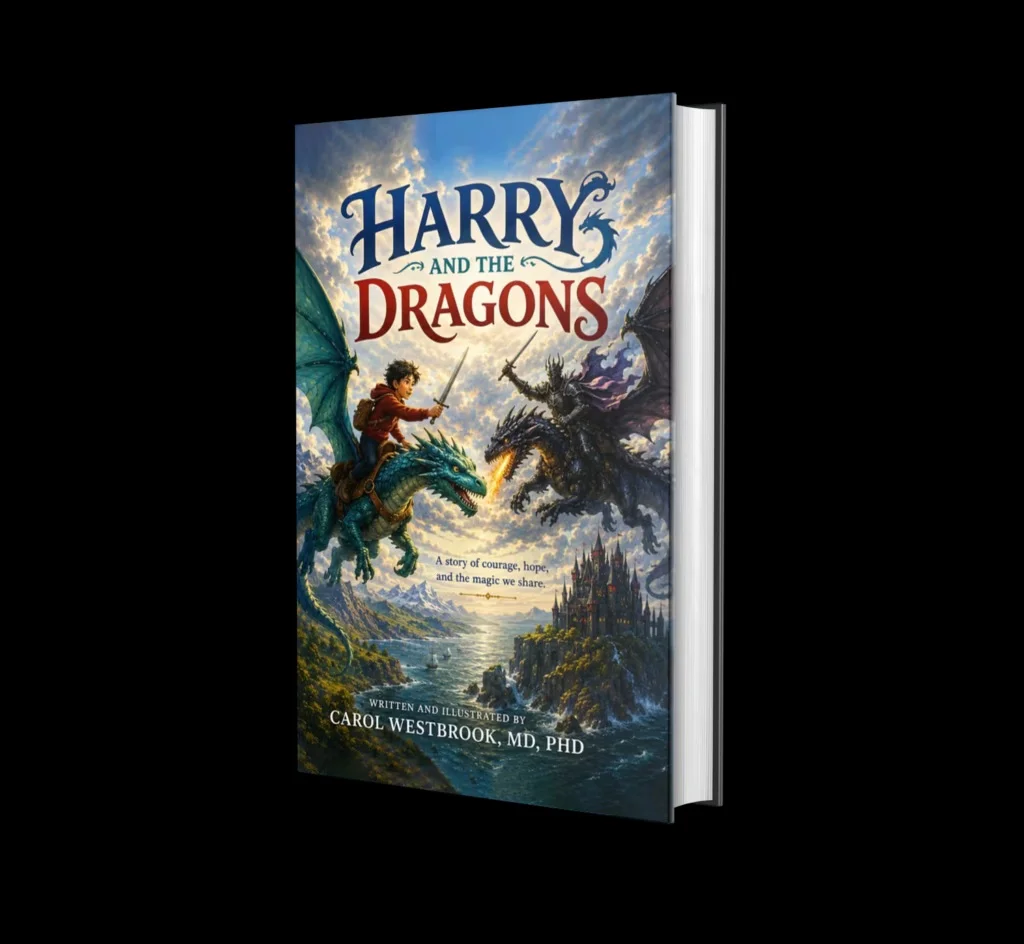
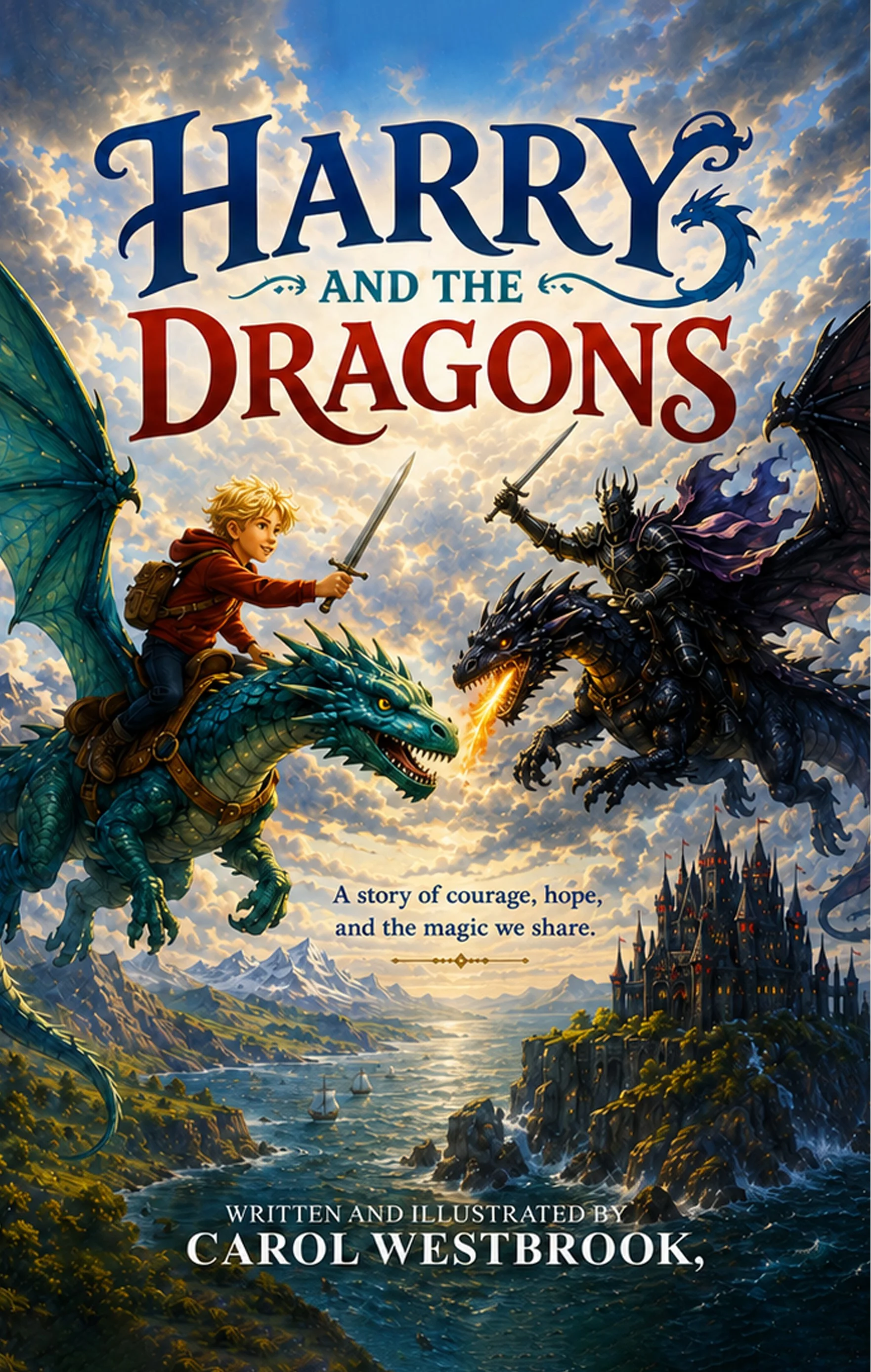
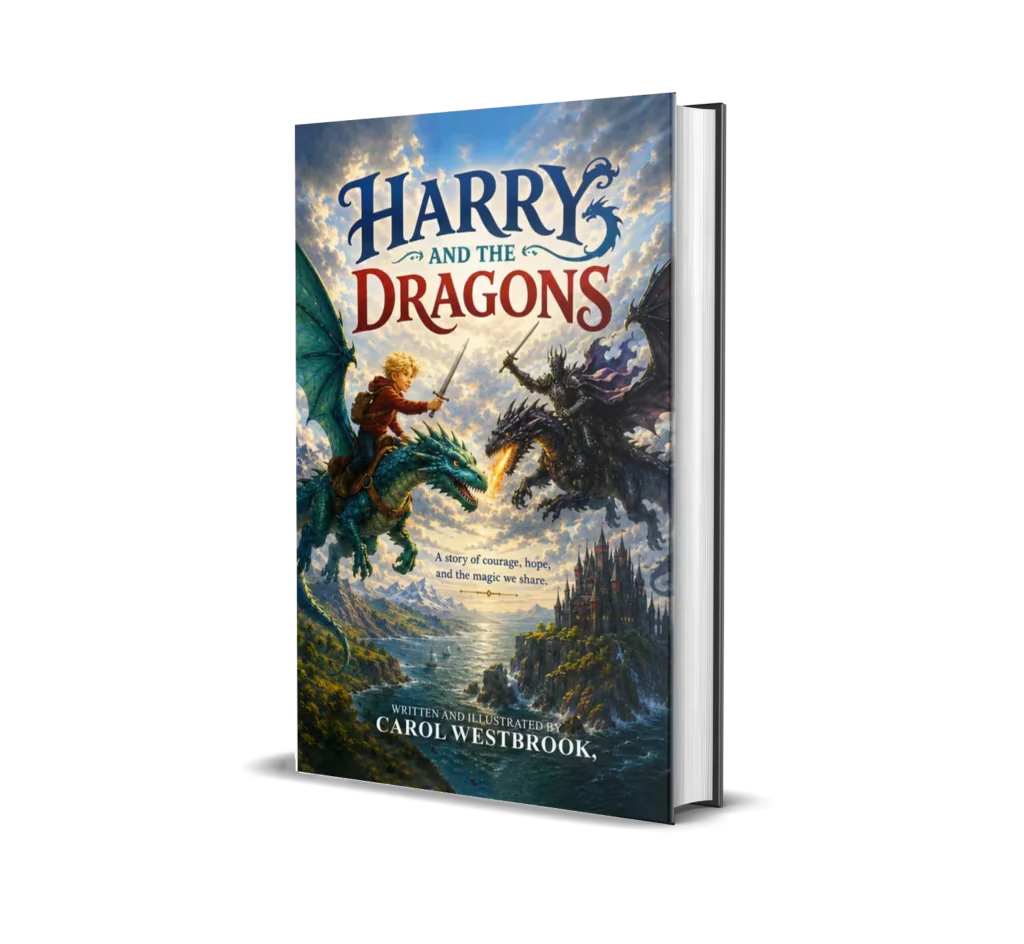
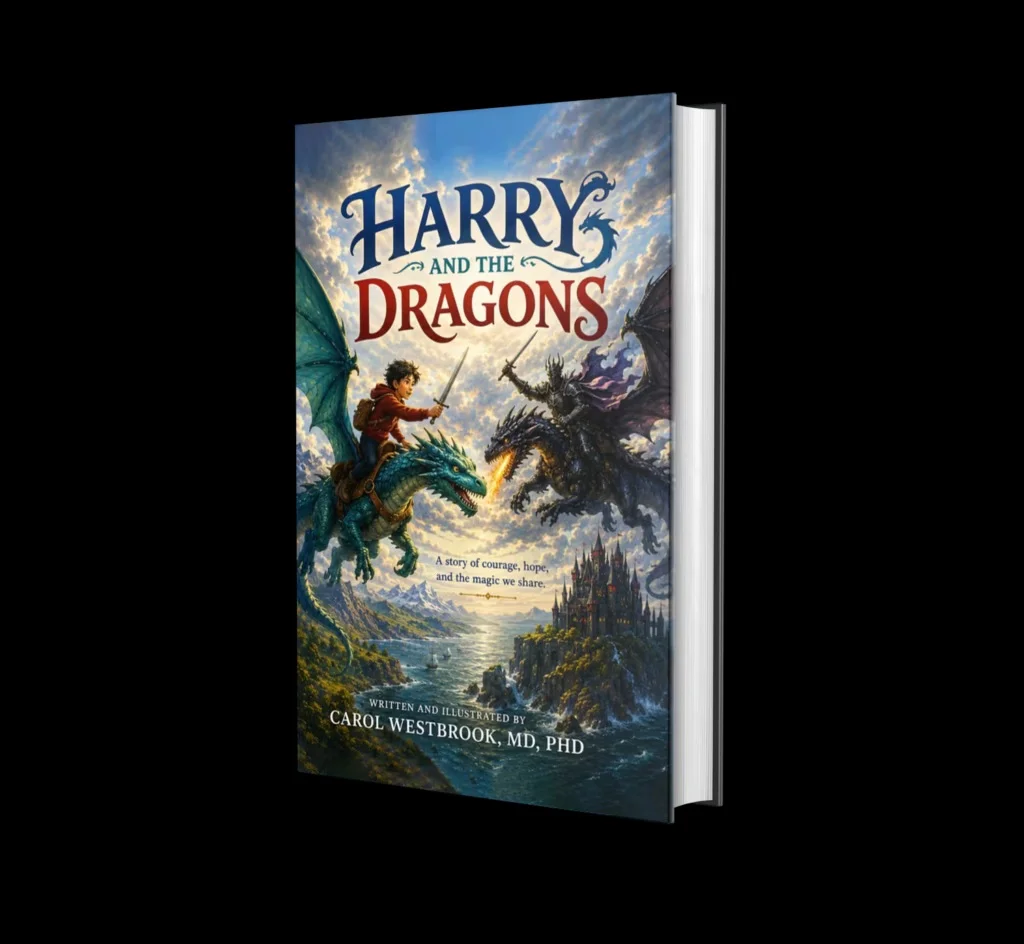
But here's the gap that many parents and educators notice: the D&D world doesn't always have a literary bridge for younger readers. That's exactly where Carol A. Westbrook's Harry and the Dragons steps in, and fills that gap with charm, humor, and surprising educational depth.
A Story That Speaks a D&D Kid's Language
From the very first chapter, Harry and the Dragons earns its credibility. The story opens with two best friends, Harry and Aashay, walking to school and excitedly planning their next Dungeons & Dragons game. Right away, young readers feel seen. This isn't a book that explains D&D from the outside; it lives inside the world these kids already inhabit.
Then something extraordinary happens. A shining blue-green walnut drops from a tree and conks Harry on the head. What hatches from it isn't just a creature; it's Bert, a baby dragon with personality, manners, and opinions. Bert disapproves of Harry's D&D adventure scenarios, calling them corny, and that alone gets a laugh from any kid who's ever had their brilliant game idea shot down by a friend.
"He opened the backpack, and Bert flew out. He was a shining blue-green dragon, about the size of a squirrel, with wings, shiny and pointy like broken glass."
The story doesn't stop at one dragon. Aashay soon discovers his own, a bold, fiery red-and-black dragon named Lincoln, who introduces himself as nobody's slave and comes with a history lesson about Abraham Lincoln and the Emancipation Proclamation baked right in. This is the kind of detail that sticks with children because it arrives wrapped in wonder, not a textbook.
Adventure Without the Screen, And That's a Big Deal
Any parent of a D&D fan knows the challenge. The hobby often exists in a digital bubble, such as apps, online campaigns, and YouTube tutorials. Books that authentically reflect that imaginative energy are rare. Harry and the Dragons offers something different: it takes the spirit of collaborative storytelling and puts it on the page in a way that feels genuinely exciting.
The adventure in this book spans a haunted house with an infinite corridor, the American frontier alongside Lewis and Clark, a castle in Ireland, a princess held captive by a cruel prince, a basilisk that only a hand mirror can defeat, and a maze that two dragons eat their way through. Each scene rewards the kind of creative, lateral thinking that D&D players already love to exercise.
Children who play D&D understand quests. They understand that solving problems requires using what you have on hand, thinking differently, and trusting your companions. Harry and the Dragons mirrors all of that, just without a dungeon master calling the shots.
History, Geography, and Life Lessons, Woven In, Not Forced
One of the book's quiet strengths is how naturally it weaves in real-world learning. During the journey west, Harry and Aashay meet Meriwether Lewis, William Clark, and Sacagawea, and these aren't just name-drops. The boys join the Corps of Discovery, contribute to the expedition, and help the explorers find their way using modern maps from a gas station. It's anachronistic and delightful, and it works.
The moral fabric of the story is just as thoughtfully constructed. When Bert bites Harry's finger, Harry doesn't retaliate. He explains why the behavior was hurtful. Bert cries, apologizes, and the two shake hands. It's a small moment, but it models something important: conflict resolution through communication, not punishment or power.
Princess Willow, meanwhile, is no damsel waiting to be saved. She arrives at her own rescue in white jeans and cowboy boots, sword in hand, with a fully packed backpack. She disarms the castle's witch by asking about grandchildren and defeats the basilisk by reflecting its own gaze at it with a hand mirror. Children who read this don't just root for her; they learn from her.
The Right Book for This Exact Reader
If a child in your life already loves D&D, they already believe in dragons, quests, and the power of a well-told story. Harry and the Dragons meet them where they are and take them somewhere new.
The reading level suits middle-grade readers, but the humor and heart in the storytelling give it a warmth that younger children enjoy when it's read aloud, too. Author Carol A. Westbrook, MD, PhD, writes with the lightness of someone who understands what children actually find funny, not what adults assume they find funny. That distinction matters more than most people think.
For parents navigating screen time concerns, this book offers a natural on-ramp. For teachers looking for titles that excite reluctant readers, a story starring talking dragons who love Taco Bell and argue about adventure scenarios is a strong candidate. For librarians curating collections that reflect the interests of today's young readers, Harry and the Dragons deserves a prominent shelf spot.
So, Should Your D&D Kid Read This Book?
Yes, and not just because it's fun, though it absolutely is. The book does something clever: it validates the things D&D kids already love and shows them those same instincts, creativity, strategy, teamwork, empathy, and working in the real world, or at least a magical version of it.
Harry and the Dragons doesn't try to compete with a campaign. It complements one. It gives young readers a story that feels like an adventure they could have planned themselves, with characters who feel like the friends they'd want at their own party.
The dragons are waiting. The infinite corridor is open. And dinner will still be on the table when they get back.




.webp)