Sign up with Google
 Sign in with Zoho
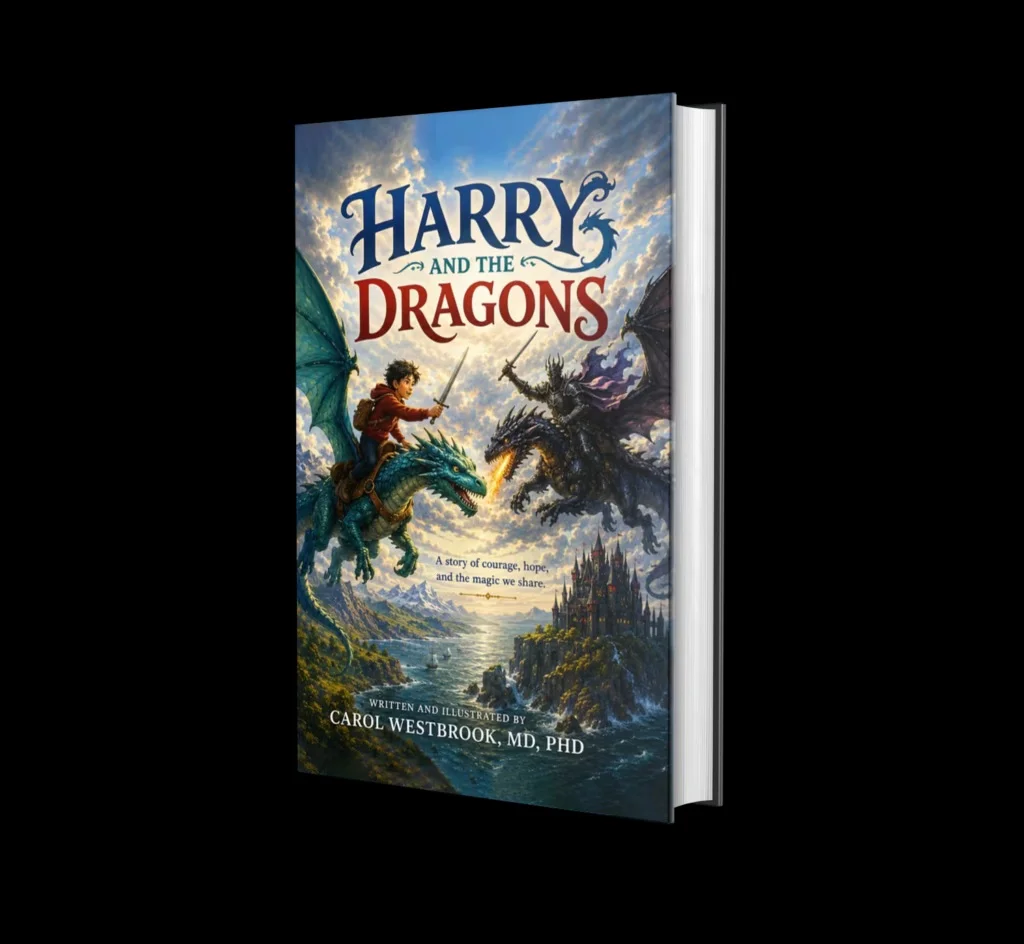
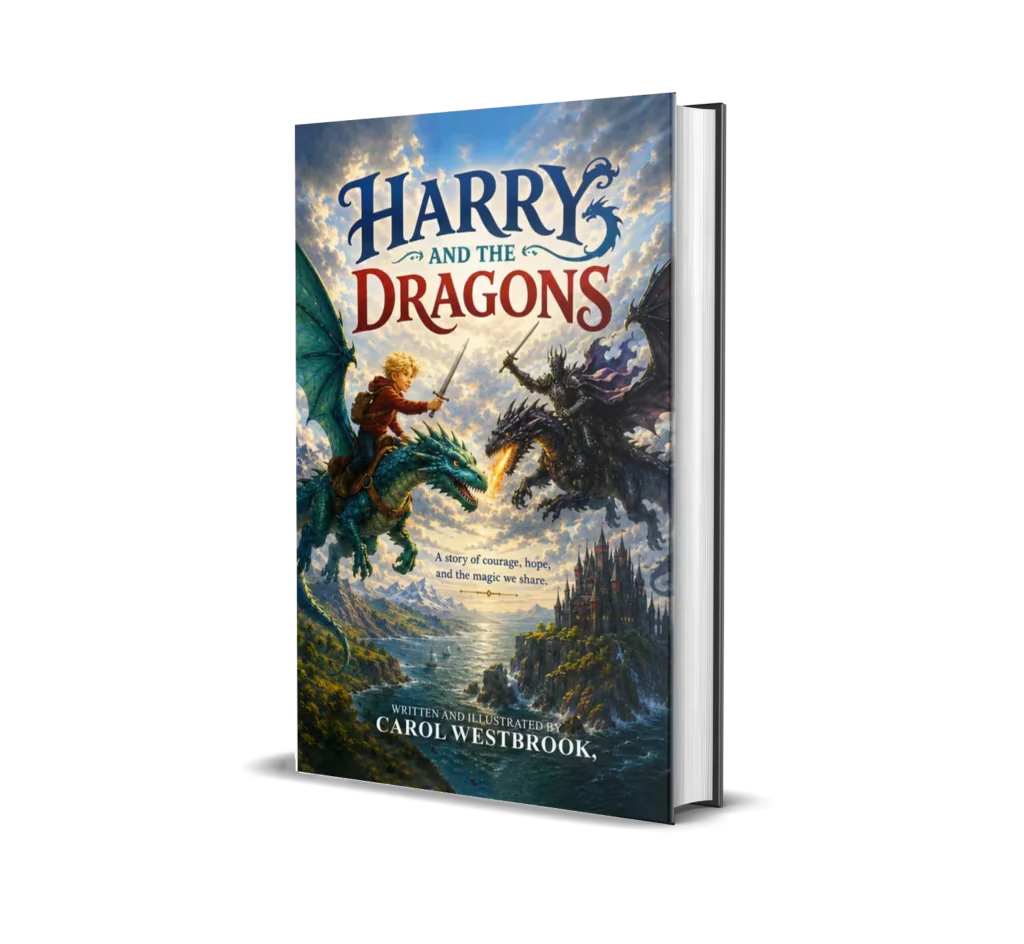
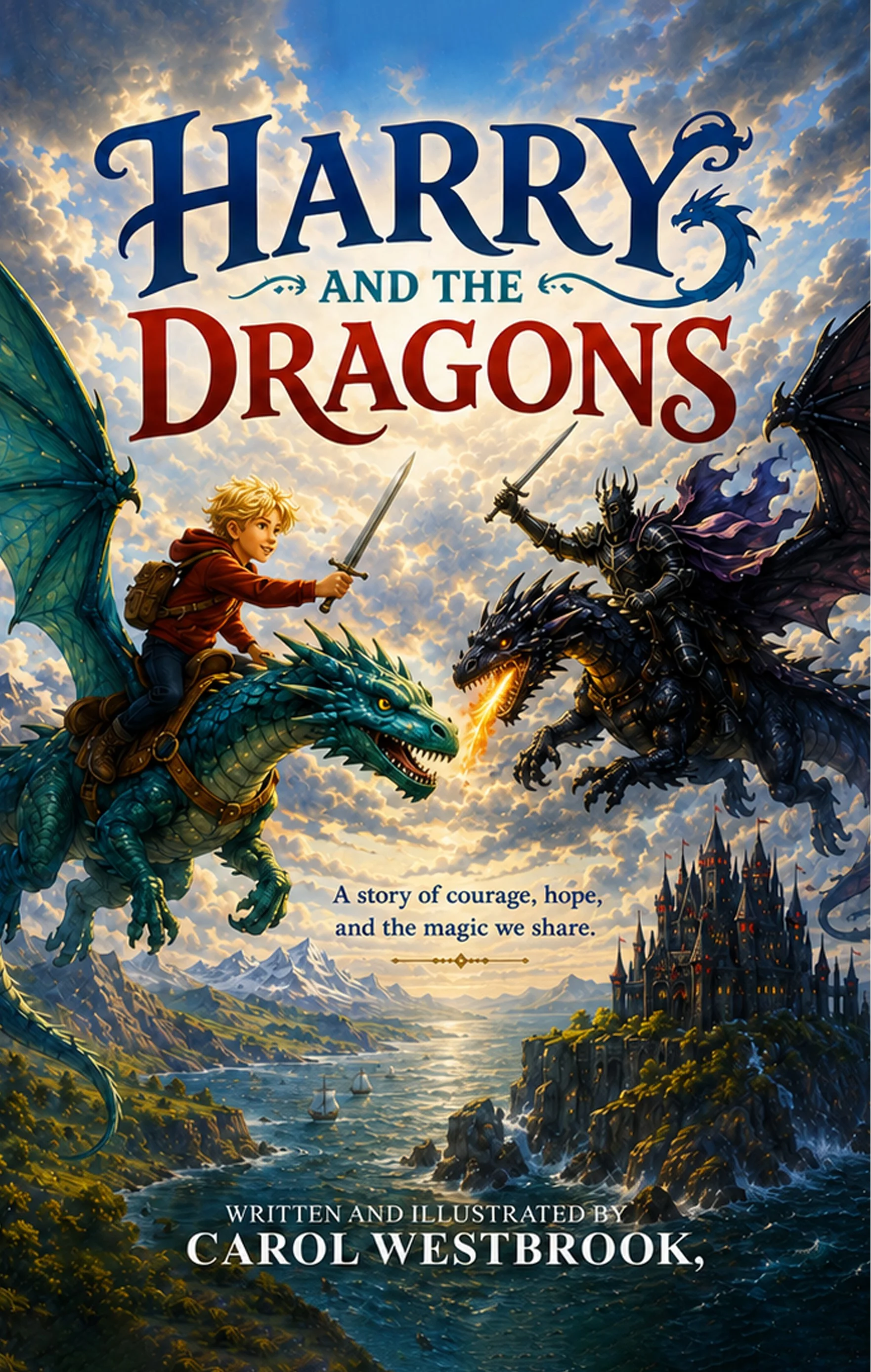
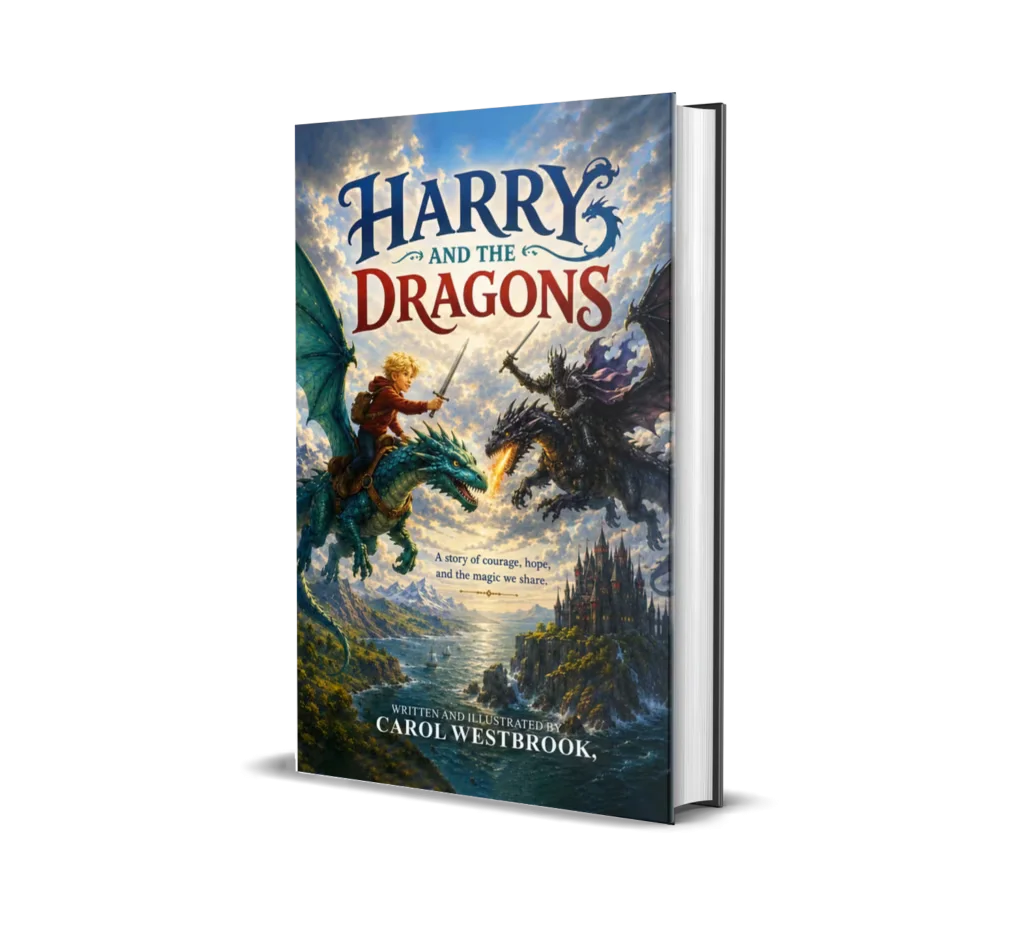
Every parent knows that moment, the bedtime book runs out, the child is still wide awake, and suddenly you need something that holds attention through every single page. Most books promise adventure. Harry and the Dragons by Carol A. Westbrook actually delivers it.
Published in 2026 by Little Plum Press, this children's book pulls off something genuinely rare: it keeps kids hooked, gives parents a story they can actually enjoy reading aloud, and sneaks in real learning without anyone noticing.
A Story That Starts Ordinary and Grows Into Something Magical
The setup is as relatable as it gets. Harry is walking to school without his best friend, Aashay, who is at home, sick. A strange, glowing blue walnut falls from a tree and lands at his feet. He pockets it, because wouldn't any kid?
By the next day, that walnut hatches into a small blue baby dragon named Cuthbert, who prefers to be called Bert. And just like that, Harry's very ordinary school week becomes anything but.
What Westbrook does beautifully here is root the magic in the everyday. Harry still has homework. He still shares breakfast. He still worries about dinner. The dragons sleep in fish tank castles on his desk. When you blend the fantastical with the familiar, younger listeners stop asking "is this real?" and start asking "what happens next?", which is exactly the state every read-aloud session is chasing.
Two Kids, Two Dragons, One Wild Quest
Once Aashay gets his own dragon, a fiery red-and-black one named Lincoln, who arrives with strong opinions and a flair for drama, the story shifts into full gear. The four of them set out on a quest that takes them through a haunted house, across the American Great Plains in 1805, all the way to Portland to visit Harry's college cousin, and eventually to a castle in Ireland to rescue a princess.
That is a lot of ground to cover, and Westbrook covers it with energy and humor. No single stretch overstays its welcome. Each chapter drops a new twist, a bison stampede, a run-in with Lewis and Clark, a grandma-witch who wants to show off photos of her grandkids, a maze that dragons solve by eating their way through it. Kids who squirm during quiet stories stay glued here.
It Teaches Without Lecturing
One of the most impressive things about this book is how much real history it carries without ever feeling like a lesson.
Harry and Aashay stumble into the Lewis and Clark expedition. They meet Sacagawea. They travel alongside Lakota hunters and learn about bison hunts. Lincoln the dragon explains that his name honors Abraham Lincoln and the Emancipation Proclamation of 1862, and the connection between enslaved people and enslaved dragons is handled with surprising warmth and directness.
For a parent reading aloud, these moments open natural conversations. Kids start asking real questions about Sacagawea, about the Corps of Discovery, about what "emancipation" actually means. The story hands families those entry points effortlessly.
The Characters Are What Make It Stick
Harry is a thoughtful, responsible kid who still makes mistakes. Aashay is practical and grounded, the kind of friend who asks the sensible question everyone else forgot. Bert the dragon is lovable and slightly bossy. Lincoln is dramatic and brave.
And then there is Princess Willow, who is a genuinely strong character. She arrives armed with a sword, speaks her mind, and solves the most dangerous problem in the castle using a hand mirror and quick thinking, not waiting for anyone to rescue her.
Children absorb character dynamics whether they realize it or not. A book like this shows them that good friendships balance each other out, that being brave sometimes means asking the smart question, and that clever thinking beats brute strength.
Why It Works Especially Well as a Read-Aloud
The dialogue flows like a real conversation. Westbrook writes the way children actually talk, fast, a little funny, occasionally interrupting themselves. Reading it aloud feels natural rather than performative.
The humor lands for adults just as much as it does for kids: a dragon disguising itself as a car, a leprechaun eating Lucky Charms on FaceTime, a taco run to get the wild dragons their firepower. That shared laughter is the thing read-aloud sessions are built on.
Who This Book Is For
Harry and the Dragons works best for children between 6 and 10, though strong readers or curious younger kids will follow along with no trouble. It suits adventure-lovers who have already burned through simpler fare and are ready for a story with real momentum, real stakes, and real jokes.
It also suits the grown-up doing the reading, which matters more than people admit.
A Final Word
Carol A. Westbrook spent her career as a medical oncologist and cancer researcher. Harry and the Dragons is her first children's book, and it shows in the best possible way: the story is precise, it respects its readers, and it never wastes a chapter. She understands that children deserve stories with real substance.
For families looking for a read-aloud that fills the room with something alive, this one is worth every page.