Sign up with Google
 Sign in with Zoho
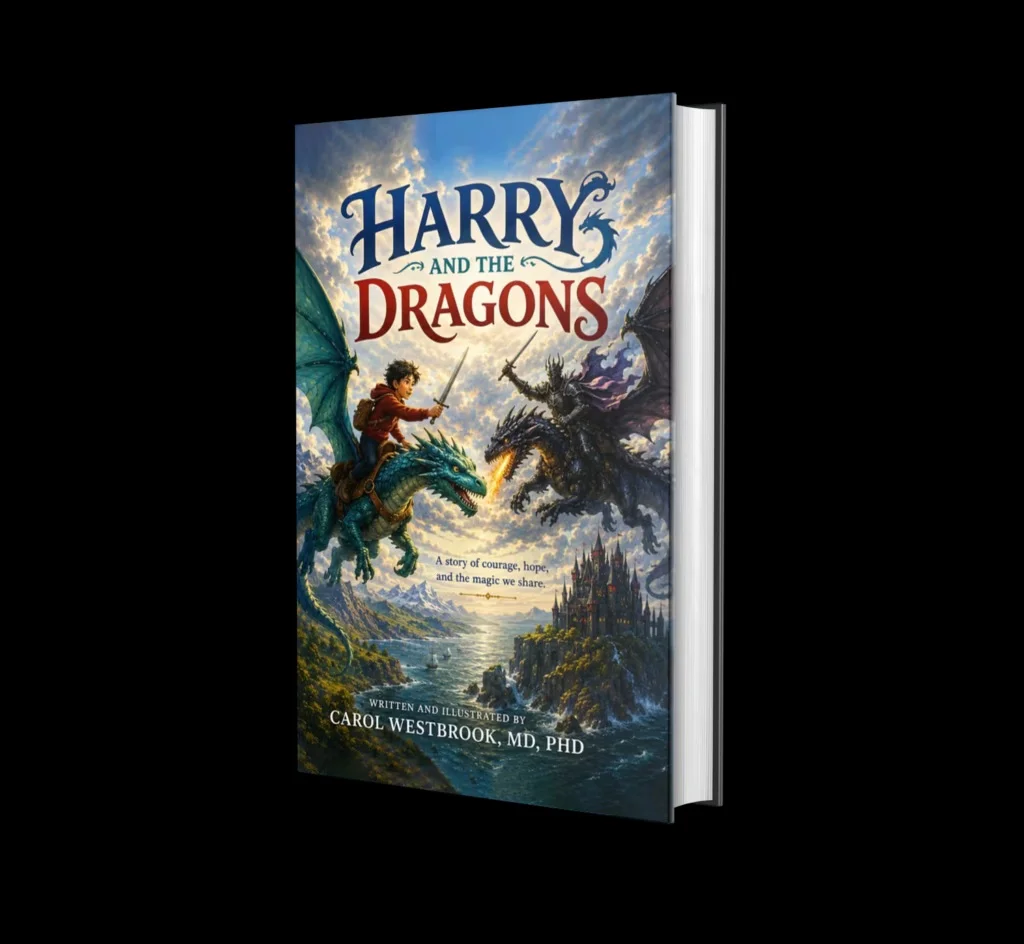

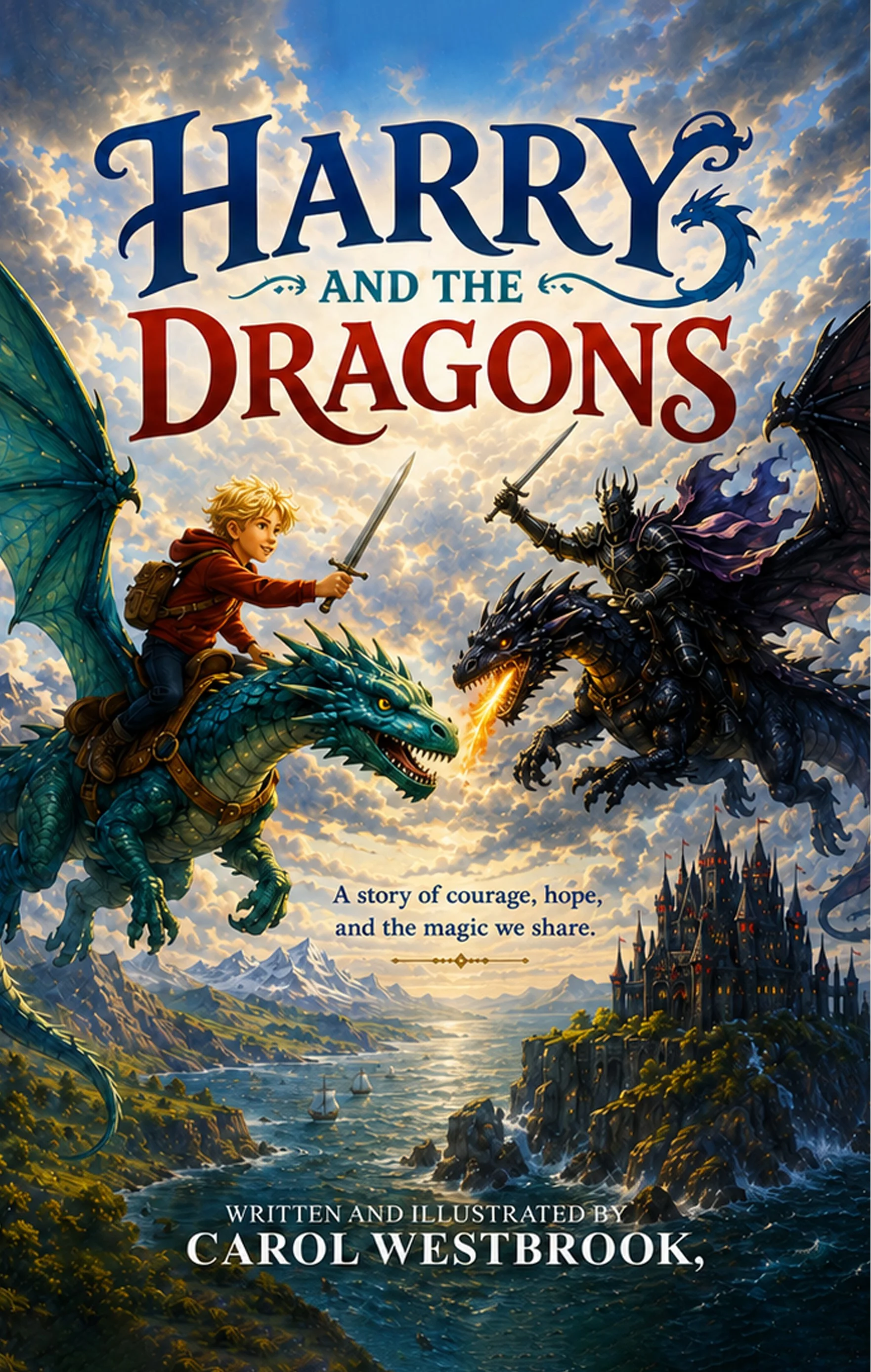
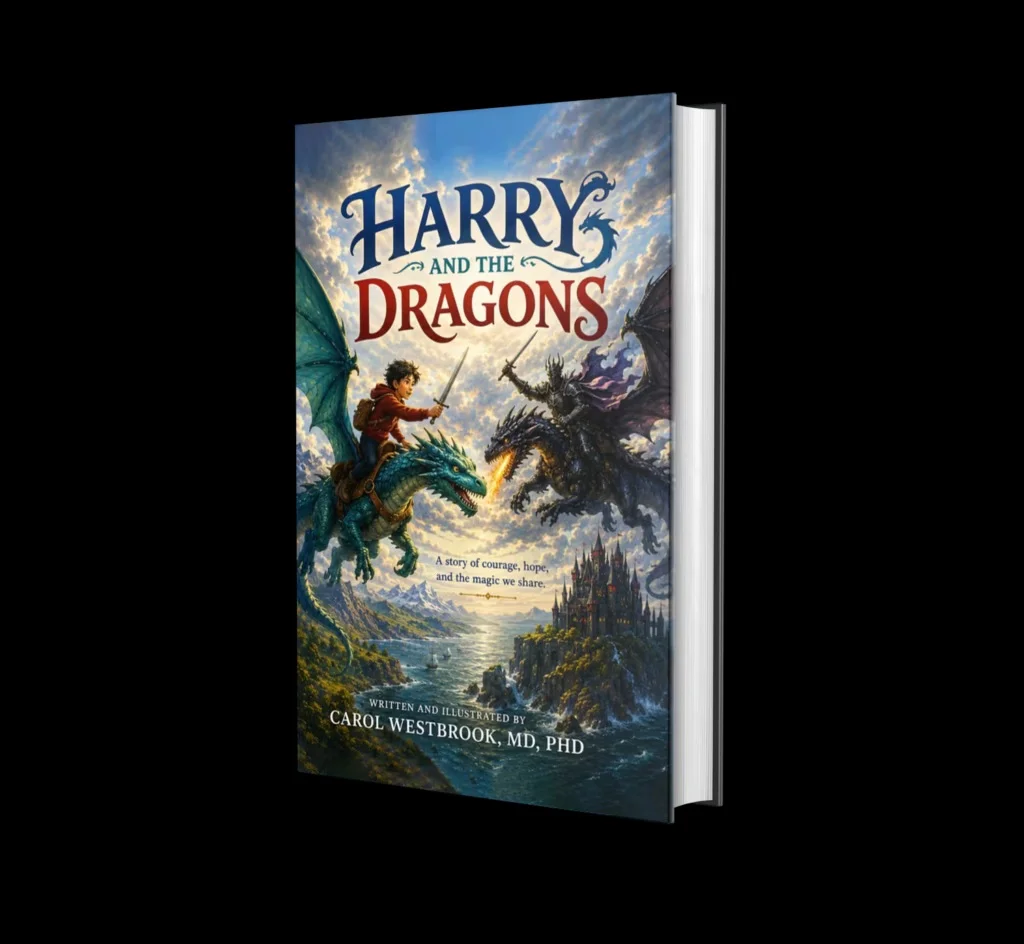
The best children's books do two things at once. They take young readers somewhere completely new, full of wonder and surprise, while quietly teaching them something essential about navigating the real world. Harry and the Dragons by Dr. Carol Westbrook is a book that does exactly this, and does it well.
On the surface, it is a fantastical adventure story built for middle-grade readers: magic, dragons, distant lands, and the kind of quest that makes your pulse quicken. But beneath all of that, Dr. Westbrook, a retired oncologist and lifelong scientist, has layered in lessons that stay with a reader long after the last page. Lessons about what it means to be a true friend, how to offer and accept forgiveness, why curiosity is worth protecting, and what real courage looks like when it is tested.
These are not lessons delivered through speeches or moral summaries. They live inside the characters and the choices they make, which is why they land so effectively. Here is a closer look at what Harry and the Dragons is really teaching.
True Friendship Is Built on Showing Up
At its core, Harry and the Dragons is a story about friendship. The relationship between the two main characters, Harry and his best friend Aashay, sets the emotional foundation for everything that follows. These are two kids who genuinely like each other, share interests, have each other's backs, and communicate honestly even when it is awkward.
What Dr. Westbrook captures beautifully is how good friendships work in practice. They are not perfect or frictionless. They require honesty, patience, and the willingness to stick around when things get complicated. The boys model this throughout the story, and their friendship shapes every decision they make along the way.
For young readers, this is one of the most valuable things a story can demonstrate. Not what friendship looks like in theory, but what it looks like in action. It is showing up, speaking honestly, and choosing each other even when the adventure gets difficult.
Forgiveness Is a Choice That Builds Character
One of the most quietly powerful themes in the book is forgiveness. Dr. Westbrook introduces it early and returns to it throughout the narrative, each time showing it from a slightly different angle. Forgiveness here is not treated as weakness or as something you do because you have to. It is presented as an active, generous choice that actually strengthens the relationship in which it happens.
Characters in this story make mistakes. They act impulsively, overstep, and occasionally cause harm. What sets Harry and the Dragons apart is how those moments are handled. There is no lingering resentment. There is accountability, a genuine apology, and a genuine acceptance of that apology. And then everyone moves forward together.
Children rarely see this modeled clearly. They are often told to forgive without being shown what that actually looks like in practice. This book fills that gap without making it feel like a lesson, which is what good storytelling does.
Courage Looks Ordinary Until It Matters
Harry and Aashay are ordinary kids. They have hobbies, routines, and the kinds of everyday concerns that most middle-grade readers will recognize immediately. Dr. Westbrook never pretends they are extraordinary in some predetermined way. They do not discover that they have secret powers or that destiny chose them. They are just two kids who repeatedly decide to keep going.
That is the version of courage that children most need to see. Not the cinematic kind that arrives fully formed, but the practical kind that involves being nervous, taking stock of what you have, and taking the next step anyway. The boys in this story face real obstacles, face them with imperfect tools, and figure it out. Their courage grows through experience, not from a magical inheritance.
That framing matters. When children see courage portrayed as something earned through effort and sustained by good relationships, they start to understand that it is available to them, too.
Curiosity and Empathy Are More Powerful Than Force
One of the most distinctive things about Harry and the Dragons is how often problems get solved through curiosity and genuine human connection rather than through combat or cleverness alone. Characters who ask questions, listen attentively, and treat others with interest and warmth consistently find themselves in better positions than those who lead with aggression or assumption.
Dr. Westbrook draws on her own background here, perhaps without intending to. As a scientist, she spent her career asking careful questions and following where the answers led. That intellectual disposition permeates the book. Harry and Aashay engage with every new place, creature, and person they encounter with openness rather than fear. They ask before they assume. They listen before they act.
The book also weaves in genuine history and geography, from American explorers to indigenous cultures to real geographic routes, and it does so in a way that makes the unfamiliar feel worth exploring rather than threatening. That is a lesson in itself: the world rewards the curious.
Loyalty Is Demonstrated, Not Declared
Loyalty runs quietly through every relationship in this book. Between the boys. Between the dragons and their companions. Between new allies who choose to align themselves with people who have proven themselves worthy of trust. Nobody gives a speech about loyalty. Nobody makes a dramatic declaration. They keep showing up, doing the hard thing, and choosing the relationship over the easy exit.
For children still learning what it means to be a reliable friend, this kind of steady, unannounced loyalty is a powerful thing to witness in fiction. It tells them that being someone others can count on is not a grand gesture. It is a series of small, consistent choices.
Why Harry and the Dragons Belongs in Every Child's Library
Dr. Carol Westbrook has written a children's book that respects its audience. It does not talk down to young readers or spell out its lessons in obvious terms. It trusts children to feel the emotional truth of a story and draw their own meaning from it, which is precisely how the best children's literature has always worked.
The values at the heart of this book include:
• Friendship rooted in honesty, mutual respect, and genuine care
• Forgiveness practiced as an active, relationship-building choice
• Courage grown through effort and sustained by trust in others
• Curiosity and empathy as tools that open doors cannot
• Loyalty shown through consistent action rather than dramatic words
The adventure itself is genuinely fun. There are dragons, quests, time travel, and enough imagination to keep any young reader turning pages late into the night. But it is the character beneath the spectacle that makes the book worth reading twice. Harry and the Dragons reminds children, and the adults reading alongside them, that who you choose to be in hard moments matters far more than any magic.