Sign up with Google
 Sign in with Zoho
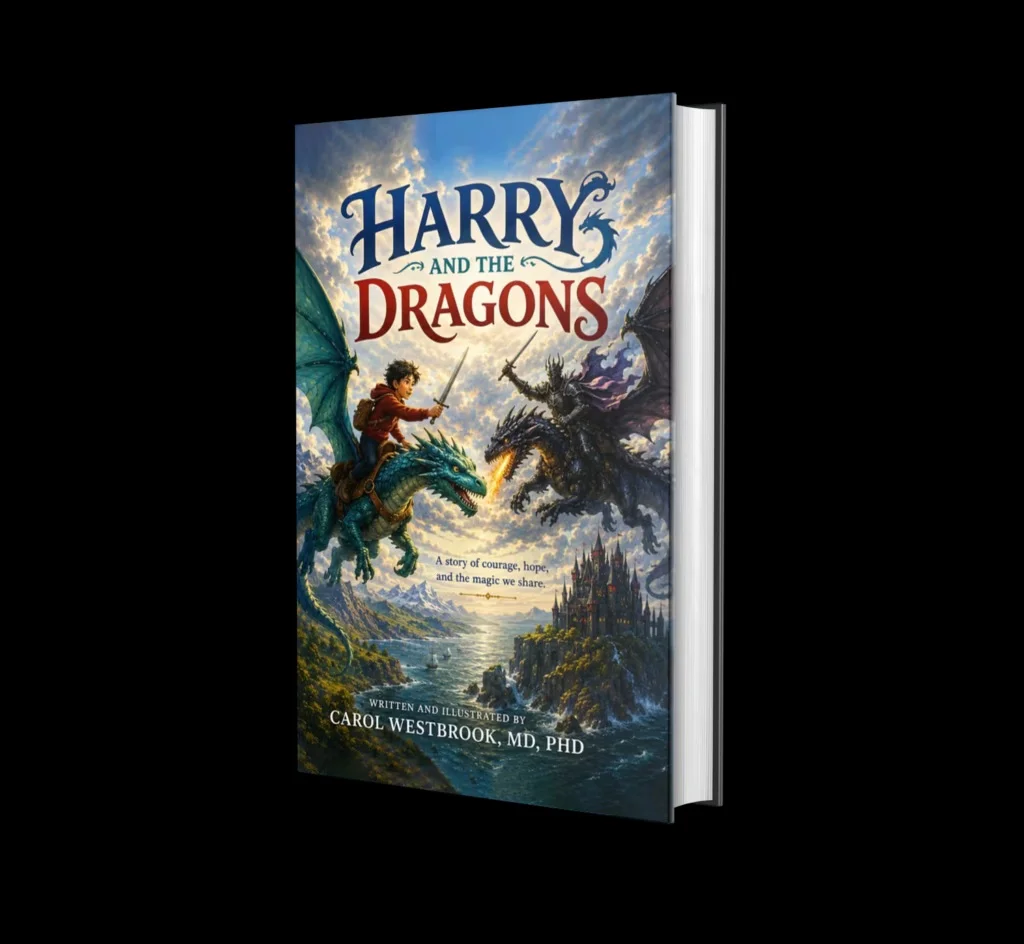
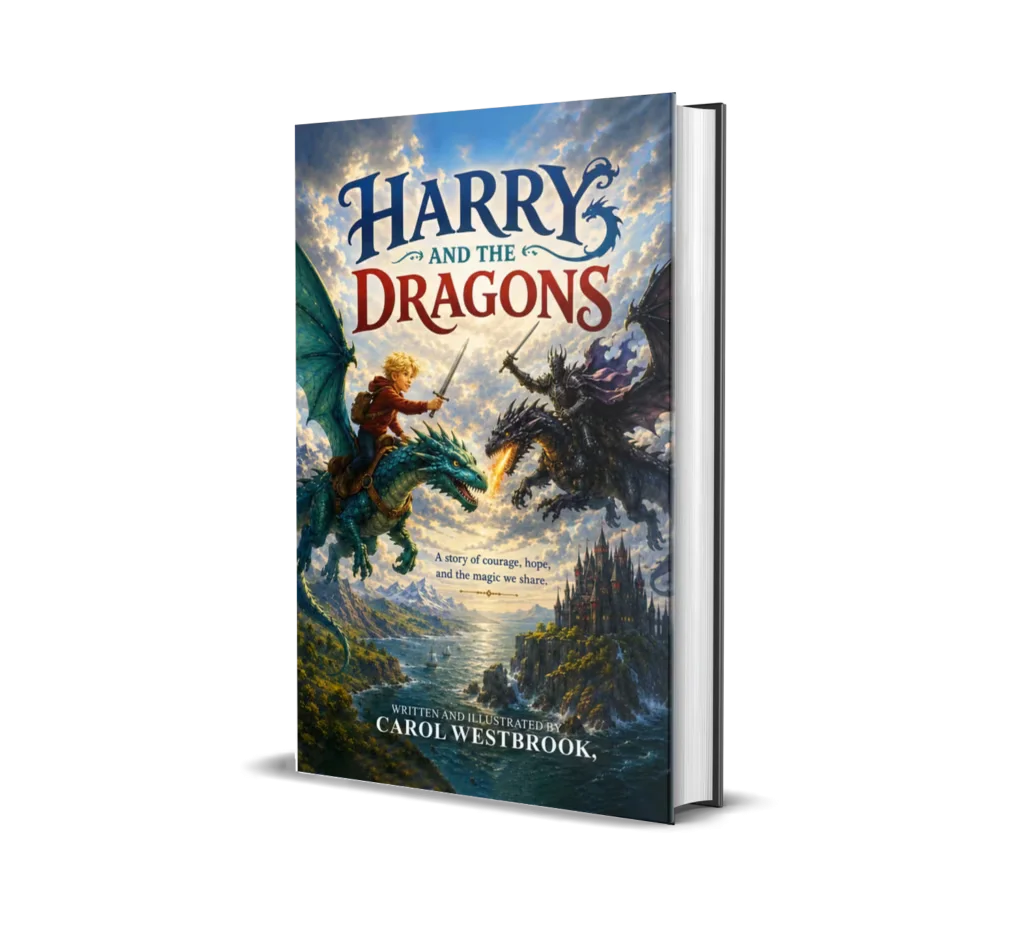
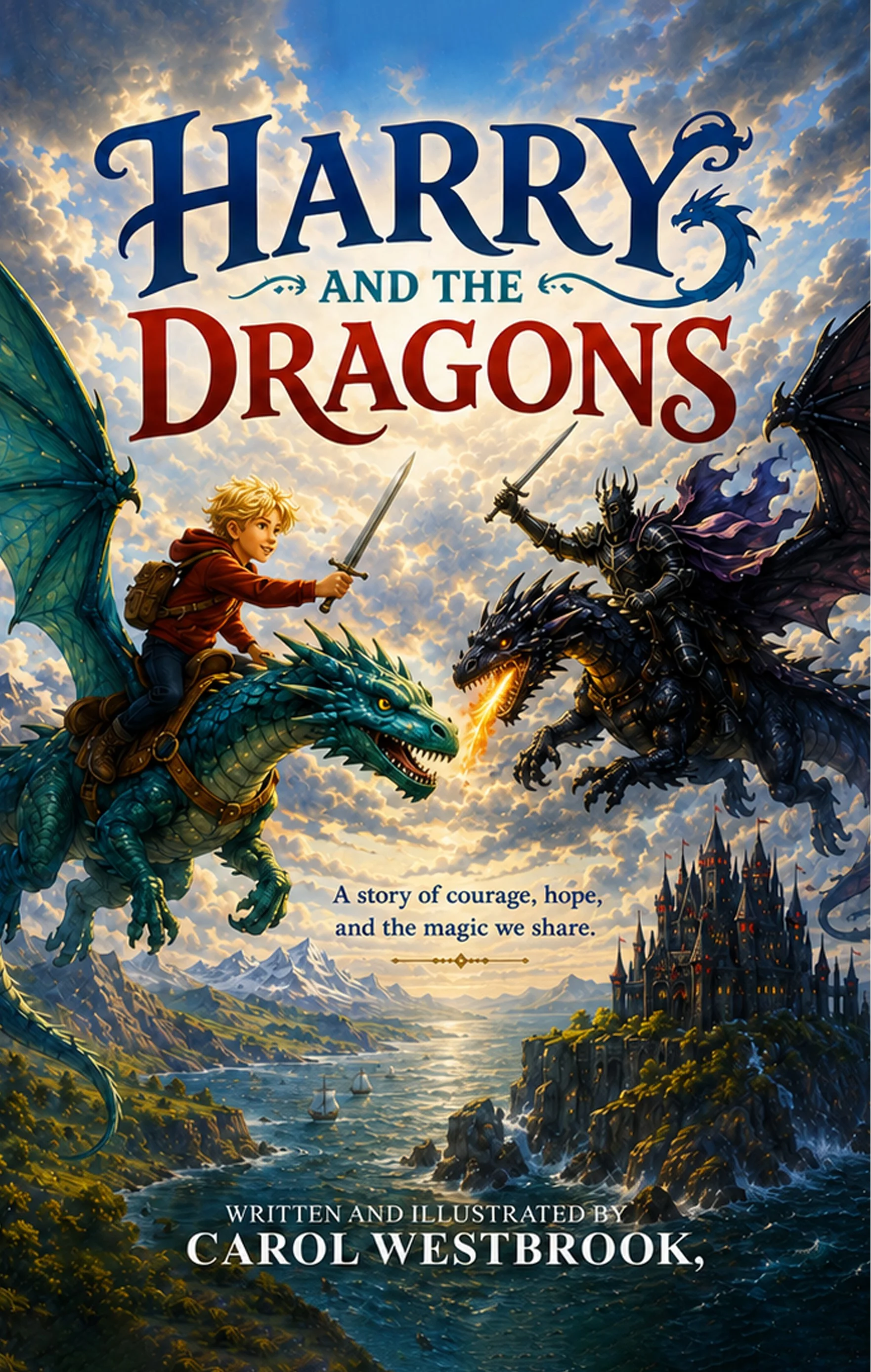
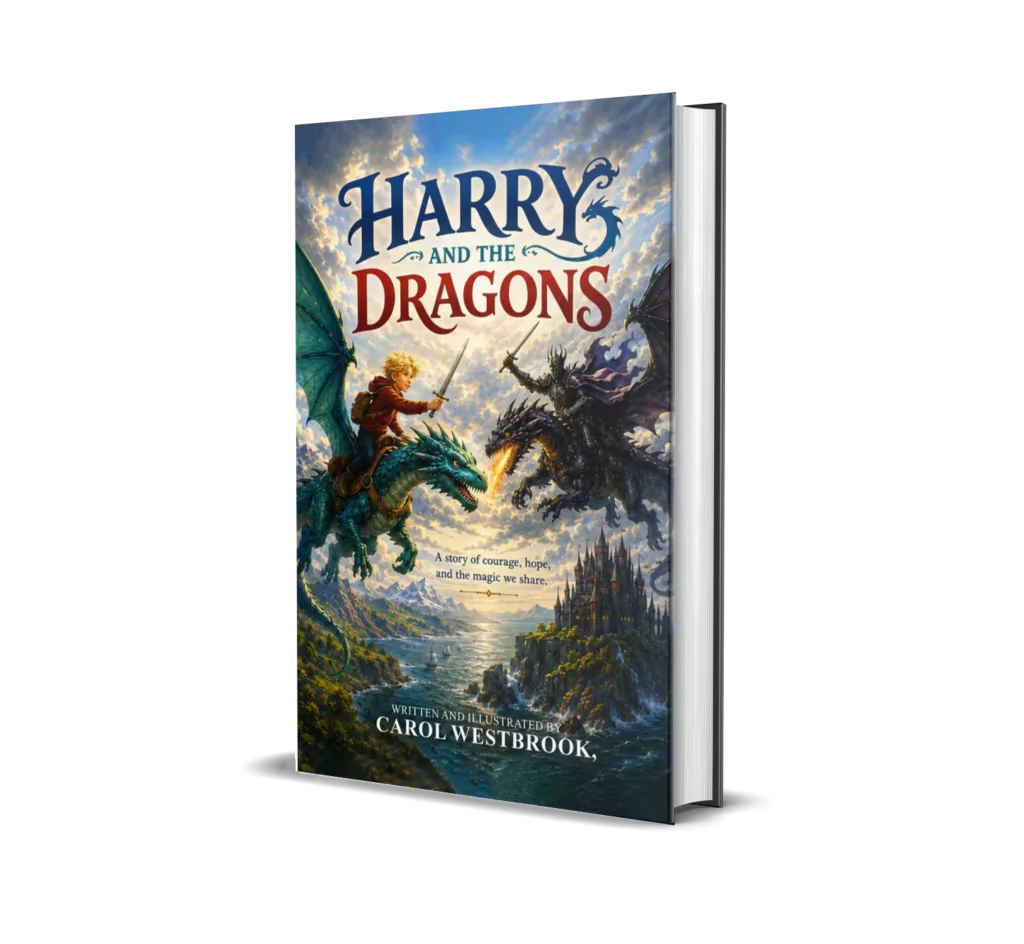
Most children’s adventure stories follow a familiar script: a hero faces a villain, swords clash, and brute strength saves the day. Harry and the Dragons by Dr. Carol Westbrook quietly breaks that pattern. In this story, two young friends, their newly hatched dragons, and a captive princess solve their biggest problems not with fists or fire, but with curiosity, kindness, and clever thinking. For parents searching for a book that entertains while modeling smarter conflict resolution, this approach stands out.
A Different Kind of Hero’s Journey
Children absorb lessons from stories long before they understand they are being taught anything. When a young reader watches a character bulldoze through every obstacle with force, that becomes the template for handling real-life friction, whether it is a sibling disagreement or a playground conflict. Harry and the Dragons offers a gentler, smarter template instead. The young heroes face guarded passageways, magical creatures, and a princess held against her will, yet the story keeps nudging them toward conversation, empathy, and observation rather than confrontation.
This matters because most real-world problems, the ones children will actually face growing up, are not solved by overpowering someone. They are solved by listening, noticing details, and finding the angle nobody else considered. A book that reinforces this idea early gives children a mental model they can carry well beyond the page.
Listening Before Acting
One of the most refreshing qualities of this story is how often the characters choose to listen first. Rather than treating every guard or obstacle as a threat to be eliminated, the young heroes take a moment to understand who or what is actually in front of them. That instinct, pausing to ask a question instead of reacting with force, shows up again and again throughout the adventure, and it consistently changes the outcome for the better.
Parents who have watched their own children navigate disagreements at school know how rare this skill is and how valuable it is. A child who learns to ask “what is really going on here?” before reacting is better equipped for friendships, teamwork, and, eventually, the workplace.
Cleverness as the Real Superpower
Without giving away plot details, it is worth noting that several pivotal moments in the rescue hinge on resourcefulness rather than combat. The characters use empathy, observation, and a bit of cleverness to get past obstacles that would stop a less thoughtful hero in their tracks. Even the dragons, who could presumably rely on size and strength, often choose patience and teamwork instead.
This is a meaningful shift for the genre. Dragons and castles typically signal swordplay and fire-breathing showdowns. Westbrook uses those same familiar elements, but repeatedly steers the story toward solutions rooted in thinking rather than fighting. For young readers who are more bookish than athletic, or who prefer puzzles to battles, this is a welcome change. It tells them that their way of engaging with the world, through curiosity and problem-solving, is just as heroic as physical bravery.
Why This Resonates With Real Families
Ask any parent what they actually want their child to learn from a story, and “use your words” tends to rank higher than “win every fight.” Kids already get plenty of media modeling aggression as the default response to conflict. A story that consistently rewards patience, observation, and kindness offers a counterbalance that many households are actively looking for.
There is also something comforting about a story in which kindness is never treated as a weakness. The young heroes in Harry and the Dragons remain brave throughout their journey, but their bravery is paired with warmth rather than aggression. That combination, courage without cruelty, is exactly what most parents hope their children will internalize.
A Story Worth Sharing
Harry and the Dragons blends imaginative world-building with a surprisingly grounded message: the smartest move is rarely the most aggressive one. For families looking for a read-aloud that sparks conversation about kindness, problem-solving, and bravery, this book offers plenty to discuss without ever feeling like a lecture. It simply tells a fun, engaging story and lets the lesson follow naturally.
Parents and educators interested in stories that pair adventure with emotional intelligence will find Harry and the Dragons a worthwhile addition to the bookshelf, one that is just as enjoyable to read aloud as it is to revisit.