Sign up with Google
 Sign in with Zoho

Many businesses operate through scheduled appointments rather than continuous walk-in traffic. Consulting firms, clinics, professional service offices, repair centers, showrooms, financial businesses, and specialist service providers may have customers arriving at specific times throughout the day.
An appointment-based model can make customer management easier, but it also creates an important physical security question: how can a business welcome scheduled visitors while maintaining control over employee-only areas and sensitive assets?
A practical approach starts with separating customer access from the rest of the workplace.
Create a Clear Visitor Area
Customers should have an obvious place to wait when they arrive.
A reception desk, waiting room, or designated customer area can prevent visitors from wandering through offices while trying to find an employee. Clear signs can also direct customers toward the correct location.
This makes the experience more organized while reducing unnecessary movement through restricted areas.
Confirm Appointments Before Providing Access
Businesses can use their appointment process as an additional security layer.
Employees should know who is expected, when they are arriving, and which employee or department is handling the appointment. This becomes particularly useful when multiple meetings are scheduled throughout the day.
If someone arrives without a scheduled appointment, staff can follow a separate procedure rather than automatically providing access to the workplace.
Separate Customer and Employee Spaces
A customer may need access to a meeting room, consultation area, or service counter, but that does not mean they need access to the rest of the office.
Businesses can create clear boundaries between customer-facing areas and employee workspaces.
Doors leading to finance departments, storage rooms, server rooms, records areas, and other restricted spaces should remain appropriately secured.
Avoid Leaving Visitors Unsupervised in Restricted Areas
Even legitimate customers may be unfamiliar with the layout of a business.
If a visitor needs to move to another part of the building, an employee can accompany them where appropriate. This reduces the possibility of accidental access to areas that are not intended for customers.
The approach can be especially important in workplaces where confidential documents, valuable equipment, or inventory are located near meeting areas.
Consider Monitoring Important Access Points
Security monitoring can provide additional visibility around entrances and other important areas.
Cameras can help businesses understand activity around reception areas, entrances, corridors, and restricted access points. Sensors can provide alerts when specific doors or areas are accessed.
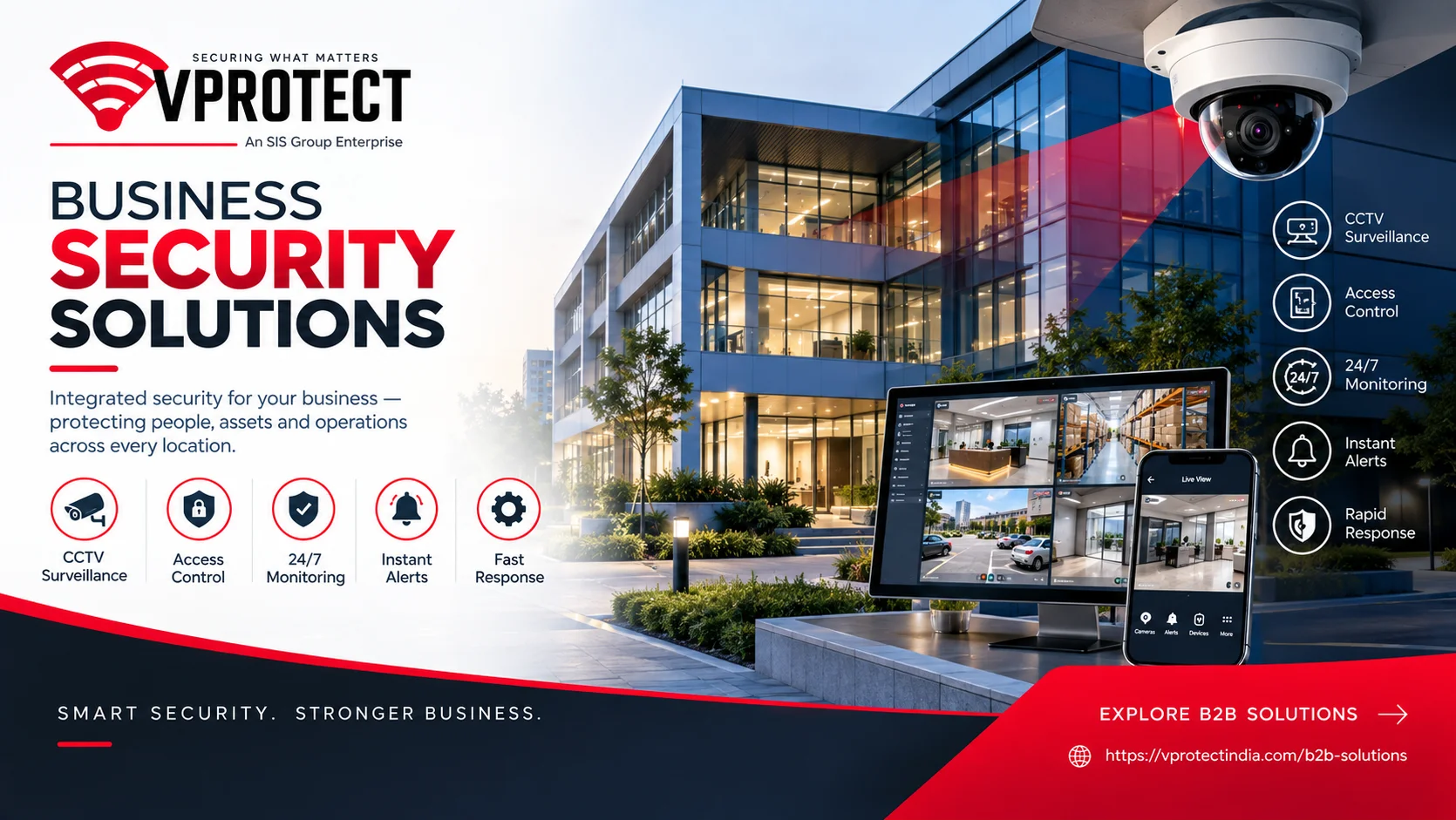
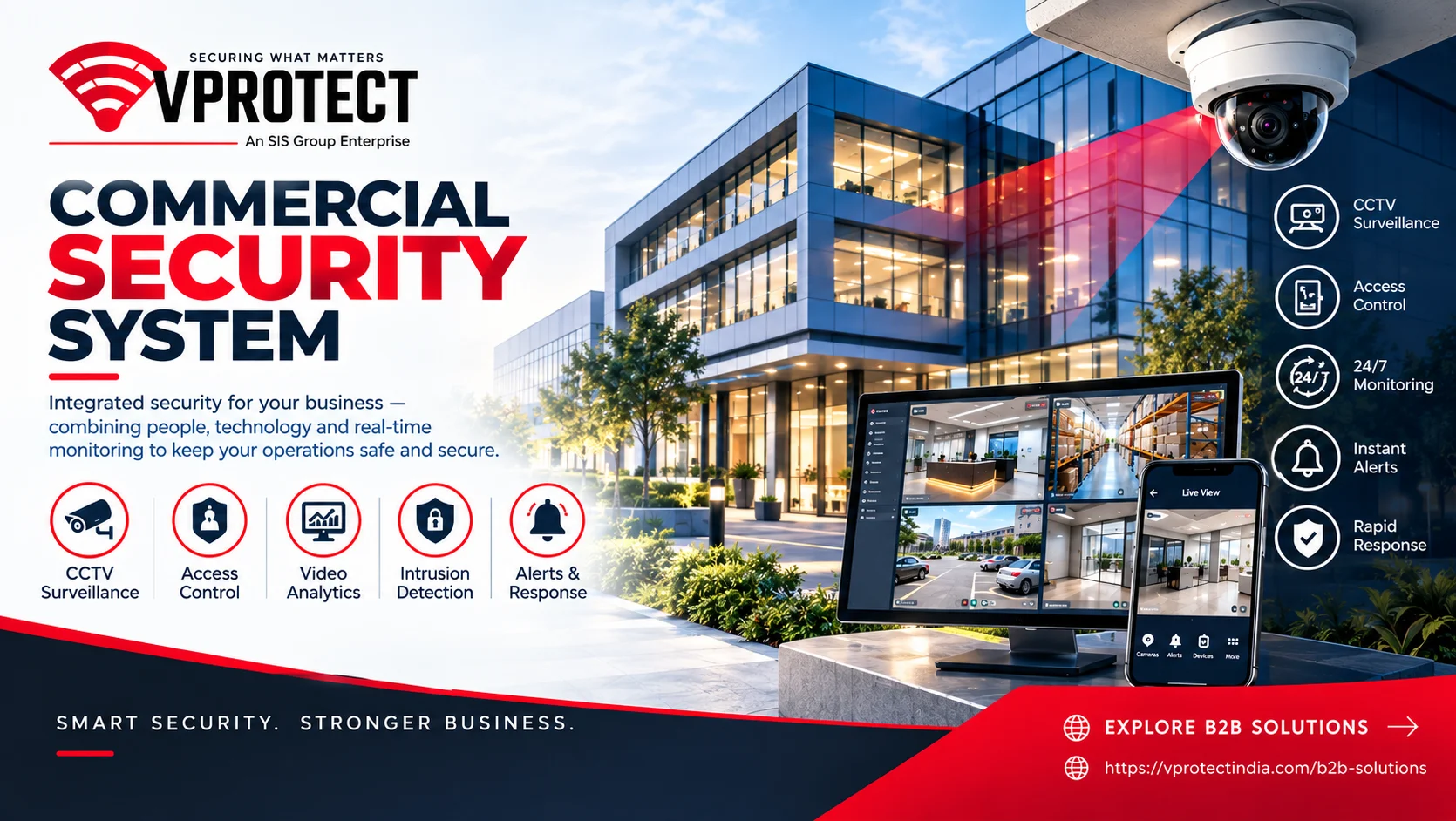
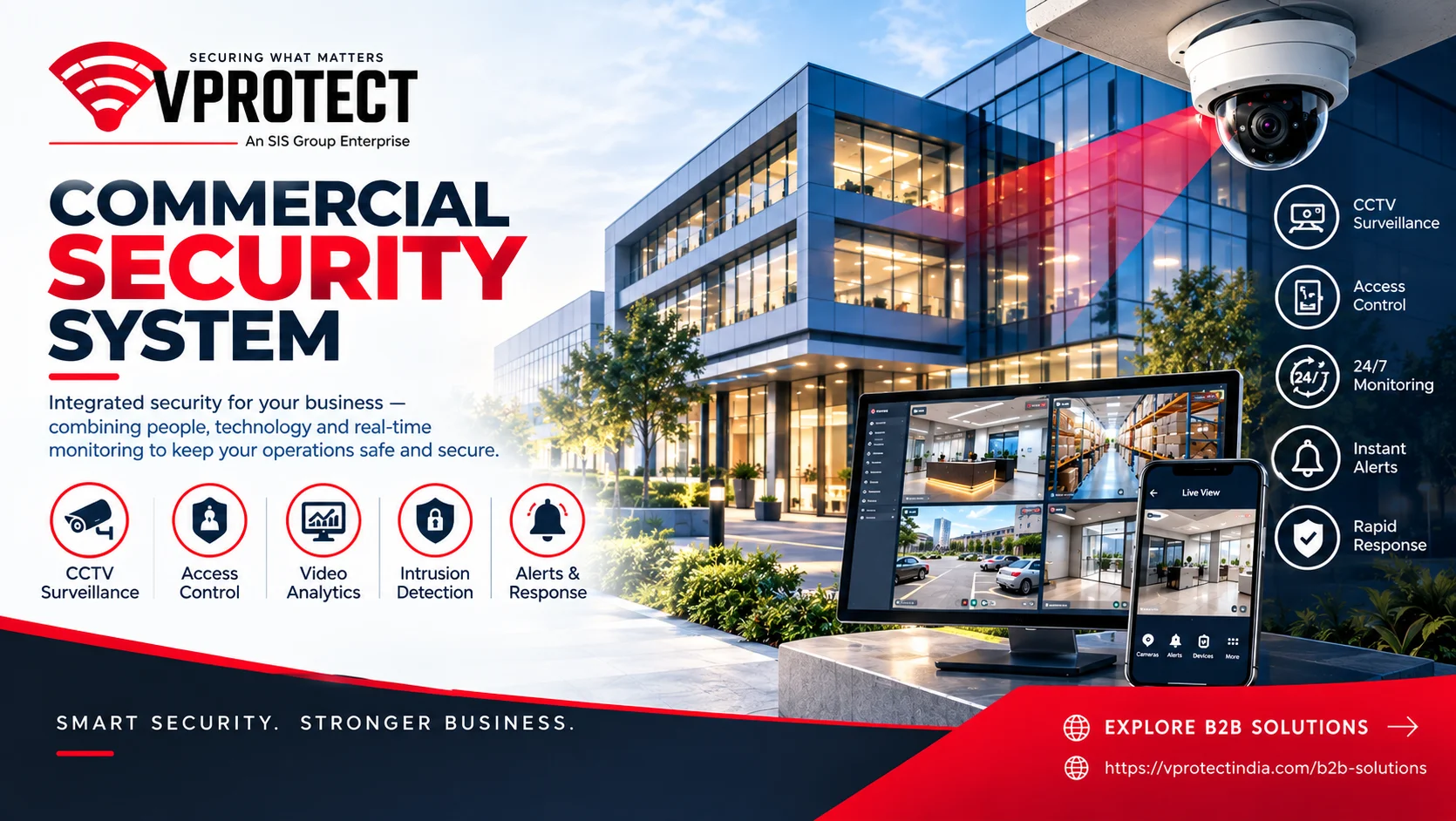
A Commercial Security System can combine technologies such as cameras, sensors, access controls, and alerts to create a more coordinated approach to commercial premises security.
Protect Confidential Information During Meetings
Customer meetings sometimes take place close to desks, documents, computer screens, or storage areas.
Employees should consider what information is visible when a visitor enters the workplace. Sensitive papers can be stored away, computer screens can be positioned appropriately, and confidential conversations can take place in designated areas.
Physical security and information security often overlap in customer-facing environments.
Plan for Multiple Appointments at Once
Security procedures can become more difficult when several customers arrive at the same time.
Businesses should consider how visitors will be checked in, where they will wait, and how employees will know which visitor belongs to which appointment.
A simple sign-in process or appointment confirmation procedure can help employees maintain awareness without making the customer experience unnecessarily complicated.
Think About After-Hours Appointments
Some businesses schedule appointments early in the morning, late in the evening, or during weekends.
These appointments require additional consideration because fewer employees may be present.
Businesses should determine which entrance customers should use, which areas need to remain accessible, and how the rest of the premises will remain secured.
Giving visitors access only to the areas required for their appointment can reduce unnecessary exposure.
Review Contractor and Service Visits Separately
Not every visitor is a customer.
Maintenance workers, delivery personnel, technicians, and contractors may also arrive at scheduled times. Their access requirements can be very different from those of customers.
Businesses should therefore avoid using one access procedure for everyone. Contractors may require access to technical areas, while customers may only need access to a meeting room or reception area.
Defining these categories makes security procedures easier to manage.
Train Employees on Visitor Procedures
Technology cannot replace basic employee awareness.
Staff members should know how to handle unexpected visitors, where customers should wait, how restricted areas are protected, and whom to contact if something unusual occurs.
Training does not need to be complicated. Clear procedures that employees can remember and apply consistently are often more useful than lengthy policies that are rarely reviewed.
Review the Security Setup as the Business Changes
A business may change its office layout, add new services, increase appointment volume, or move departments.
Each change can affect how customers move through the premises.
Businesses should periodically walk through the customer journey from the entrance to the meeting area and back again. This can reveal doors that are unnecessarily accessible, areas with poor visibility, or places where visitors could become confused.
Build a Balance Between Security and Convenience
Appointment-based businesses need to remain welcoming. Excessive restrictions can make customers uncomfortable, while a completely open workplace can create unnecessary security risks.
The goal is to find a practical balance.
A clearly defined reception area, controlled access to employee spaces, visitor procedures, appropriate monitoring, and employee awareness can allow customers to move through the business comfortably while keeping sensitive areas protected.
Conclusion
Customer appointments are an ordinary part of many businesses, but every visitor also interacts with the physical environment of the company.
By separating customer and employee areas, confirming appointments, monitoring important access points, protecting confidential information, and establishing clear visitor procedures, businesses can create a more organized approach to physical security.
The best security arrangements support normal business activity rather than making it difficult. With thoughtful planning, companies can provide a professional customer experience while maintaining greater control over their premises, people, and valuable assets.