Sign up with Google
 Sign in with Zoho

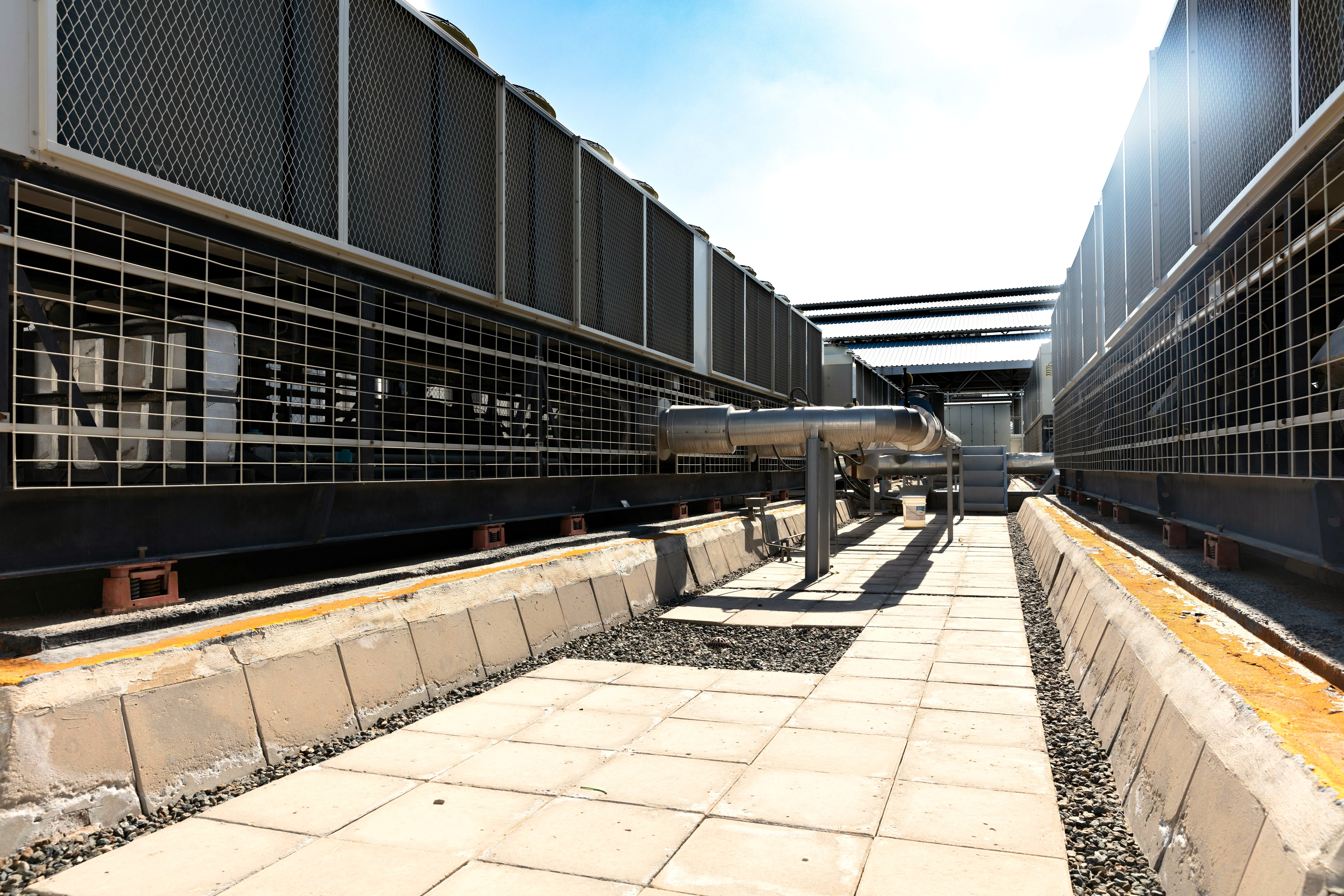
The oil and gas industry is always looking around for ways to boost efficiency, cut operational costs a bit, and keep workplace safety a stronger priority. As more facilities modernize how they run, a lot of them are moving away from the usual steam heating setup and leaning toward thermal fluid heaters , as kind of a more efficient replacement.
Thermal fluid heating technology brings a bunch of benefits that match the whole industry direction of getting higher output while avoiding wasted energy. With better temperature management, plus less work for maintenance teams, these units are slowly becoming the preferred option for industrial process heat.
Steam System Limits
Years went by with steam setups running heat at oil and gas sites. Good at warming spaces, true, yet they bring issues along too.
Pressure running high makes things riskier, so checks need to happen more often. Because of that, teams keep an eye on how fluids flow back, handle chemical balances in water lines, plus watch where warmth might escape across pipes.
Higher expenses might show up when systems run poorly, slowing everything down. Machines working harder than needed often waste time, dragging results lower. Unexpected delays tend to follow weak processes, messing with output. When small issues pile up, the whole workflow feels the strain.
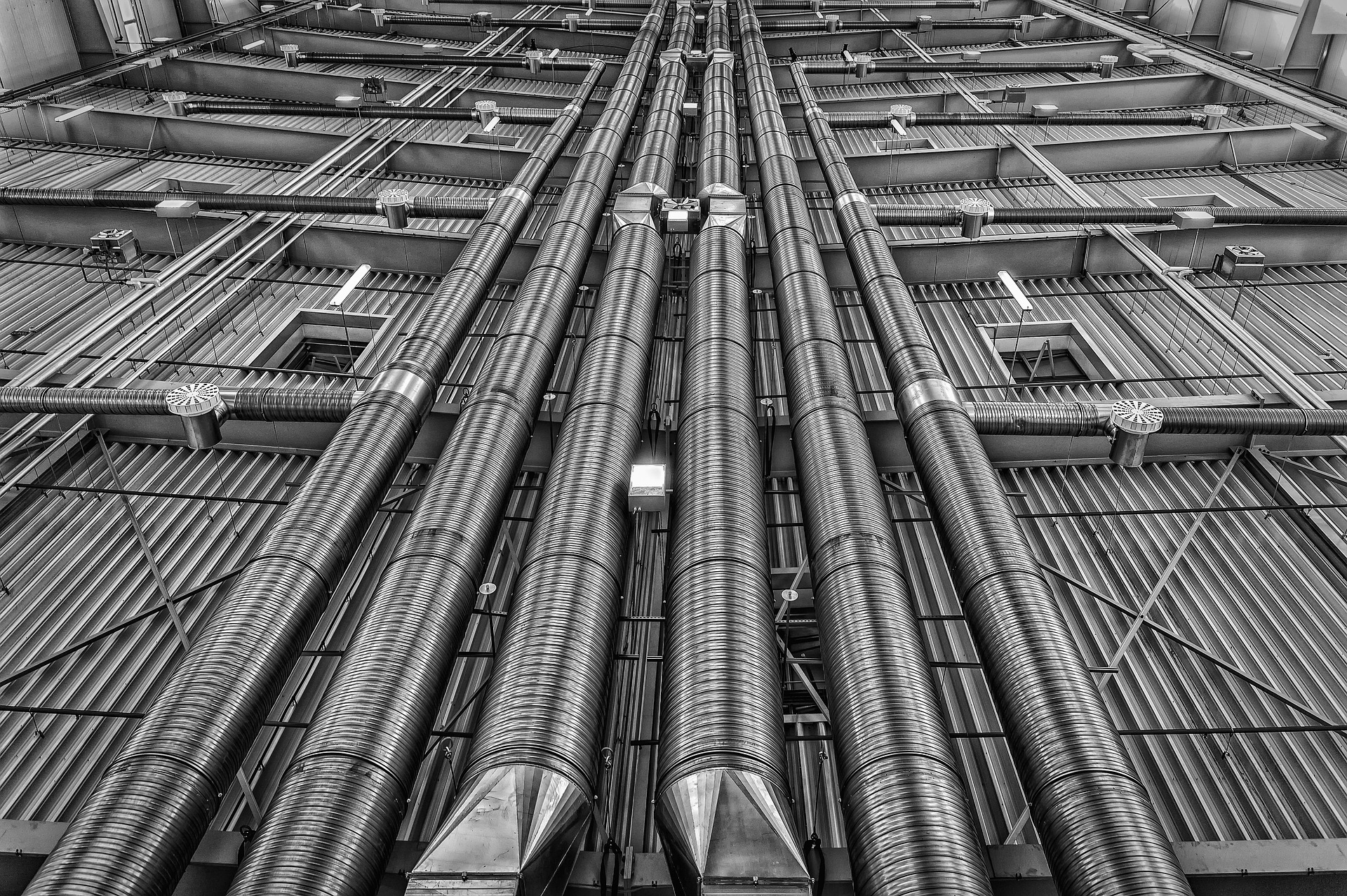
Thermal fluid heaters use heated liquid to transfer warmth through systems
Heat moves differently here. Instead of steam, these units rely on special oil moving in sealed loops. From the heater, the liquid soaks up warmth before traveling across the site. It delivers consistent energy exactly where required.
Heat transfer liquids handle extreme heat without building up heavy pressure. This lets workers manage processes more precisely. Instead of dealing with dangers tied to steam systems, they face fewer hazards. Temperature stability supports smoother operations. Safety improves when pressure spikes are no longer a concern.
Because of this layout, the system runs more smoothly over time. Its performance stays steady without sudden drops.
Better Temperature Control
Keeping heat levels just right matters a lot when handling oil and gas. From warming raw oil to managing chemical steps, steady warmth keeps things running smoothly. Storage tanks need stable conditions too - too hot or cold can change how materials behave. Quality stays high only if temperatures stay on track through every stage.
Out there, thermal fluid setups keep temperatures steady through various uses, so workers can hold processes at their best levels. Because of this tighter regulation, output stays more consistent while day-to-day operations run smoother.
Increased Energy Efficiency
Still today, power use takes up a big chunk of costs in factories. Because they cut down waste often seen when moving heat through steam pipes, thermal fluid setups make energy go further.
Energy moves smoothly across manufacturing steps once thermal fluid heaters link up with well-designed heat exchangers. Because less heat escapes, the system often burns less fuel - cutting down on power bills over time.
Looking to be more sustainable? Some facilities turn to thermal fluid heating for better energy use. One reason might surprise you - its efficiency stands out. Not every option works this way. This method quietly fits into existing setups. Improvement sometimes comes not from big changes but smarter ones. Efficiency gains show up over time, not overnight. A steady approach wins here. Results depend on how it is managed. Little by little adds up.
Less maintenance less downtime
Thermal fluid setups tend to need less attention over time. Unlike steam versions, which demand regular checks on boilers, careful water conditioning, plus handling leftover condensation.
Out in the open, thermal fluid heaters tackle most of those issues. Fewer parts mean less upkeep, so downtime drops without extra effort. Since there is no steam system involved, operations run longer between service stops. Money saved on repairs adds up quietly over time.
Checking key components of a heat exchanger on a routine basis keeps it running well over time while maintaining steady function. A consistent look at vital areas prevents small issues from becoming big problems later down the line.
Modern Heat Transfer Equipment Support
Heat moves fast through today’s oil and gas setups, thanks to high-performance gear that keeps operations running smoothly. These thermal fluid networks link directly into current models of exchangers, reaction chambers, or handling modules - each piece syncing without disruption. Efficiency climbs when temperature control stays precise across every stage. Equipment works longer when thermal stress drops due to steady circulation patterns. Modern plants expect consistent output, which depends heavily on how well heat flows behind the scenes. Integration happens quietly, yet it shapes overall performance in noticeable ways.
Because things change so fast, workers can now build heat systems that fit many kinds of output needs. When upgrades happen down the line, hot liquid setups keep pace without forcing big reworks.
Improved Workplace Safety
Still, safety stands out when switching to thermal fluid systems. Because they run under less pressure, dangers tied to bursts or leaks drop sharply. Lower stress on components means fewer surprises during operation.
Working at lower pressure means fewer risks on site - also easier control of equipment. For places focused on staying safe and meeting rules, that matters most.
Future Outlook for Thermal Fluid Heating
Fuel prices climb, rules tighten - factories need heat that doesn’t waste power. Efficiency gains matter more now than ever before because oversight grows sharper by the year.
Heat moves steady when thermal fluid systems run smooth. Built tough, they last long under heavy loads across oil and gas sites. With solid components like robust exchangers, performance stays high even in harsh conditions. Well-matched gear keeps temperatures stable without constant oversight. These units fit right into today’s processing setups - no overhaul needed. Long-term function stands strong thanks to smart engineering behind every part.
Frequently Asked Questions
1. Why are thermal fluid heaters considered more efficient than steam systems?
Less heat escapes because of their design, while working under milder pressure conditions. Temperature stays steady through smarter regulation methods.
2. Are thermal fluid heaters safer than steam systems?
Fine heat levels come through without needing heavy pressure, which keeps things safer all around.
3. How do heat exchangers support thermal fluid systems?
From start to finish, heat exchangers move thermal energy with ease. Efficiency rises because of how they work within the system. Performance gains come through steady transfers. Productivity follows where temperature flows are managed well.
4. What maintenance is required for thermal fluid heaters?
Checking things regularly, keeping an eye on fluids, while also taking care of individual pieces inside keeps the system running without surprises. A steady pace here prevents bigger issues later down the line.