Sign up with Google
 Sign in with Zoho

When people think about security at an industrial site, they usually think about the main gate, cameras, guards, or access cards. Emergency exits don't always come to mind.
They should.
An emergency exit has a very specific job: it needs to be available when people need to leave quickly. At the same time, it is still a door leading into and out of the facility. If it is damaged, blocked, left unsecured, or simply forgotten about, it can create problems from both a safety and security point of view.
Start With a Walk Around the Facility
One of the easiest ways to spot problems is simply to walk through the building.
Look at each emergency exit and ask a few basic questions. Can someone reach the door easily? Is anything stored in front of it? Is the sign easy to see? Does the door open properly?
These things sound obvious, but industrial buildings are busy places. Boxes get moved, equipment gets installed, and temporary storage can slowly turn into permanent storage.
A regular walk-through can catch these problems before they become serious.
Don't Treat Every Door the Same Way
An emergency exit isn't the same as an ordinary office door.
It has to remain usable during an emergency, so any security arrangement around it needs to take that into account. The exact setup will depend on the building, the type of facility, and applicable safety requirements.
For security purposes, it can be useful to know when an emergency door has been opened. A door sensor or alarm, for example, can alert the appropriate person without preventing the door from serving its intended purpose.
Think About What Happens Outside the Door
The area on the other side of an emergency exit matters too.
A door might open onto a parking area, a service road, a storage yard, or another part of the property. Poor lighting, stacked materials, parked vehicles, or overgrown landscaping can make the area harder to see or navigate.
A quick inspection of the outside area can reveal issues that aren't obvious from inside the building.
Cameras Can Add Useful Context
A door alarm can tell you that an exit was opened. A camera can sometimes tell you what happened next.
Was an employee leaving the building? Was maintenance work taking place? Was the door opened accidentally? Or was someone entering through an exit when they shouldn't have been?
This is one reason it can be useful to think about security as a combination of different tools rather than relying on one device.
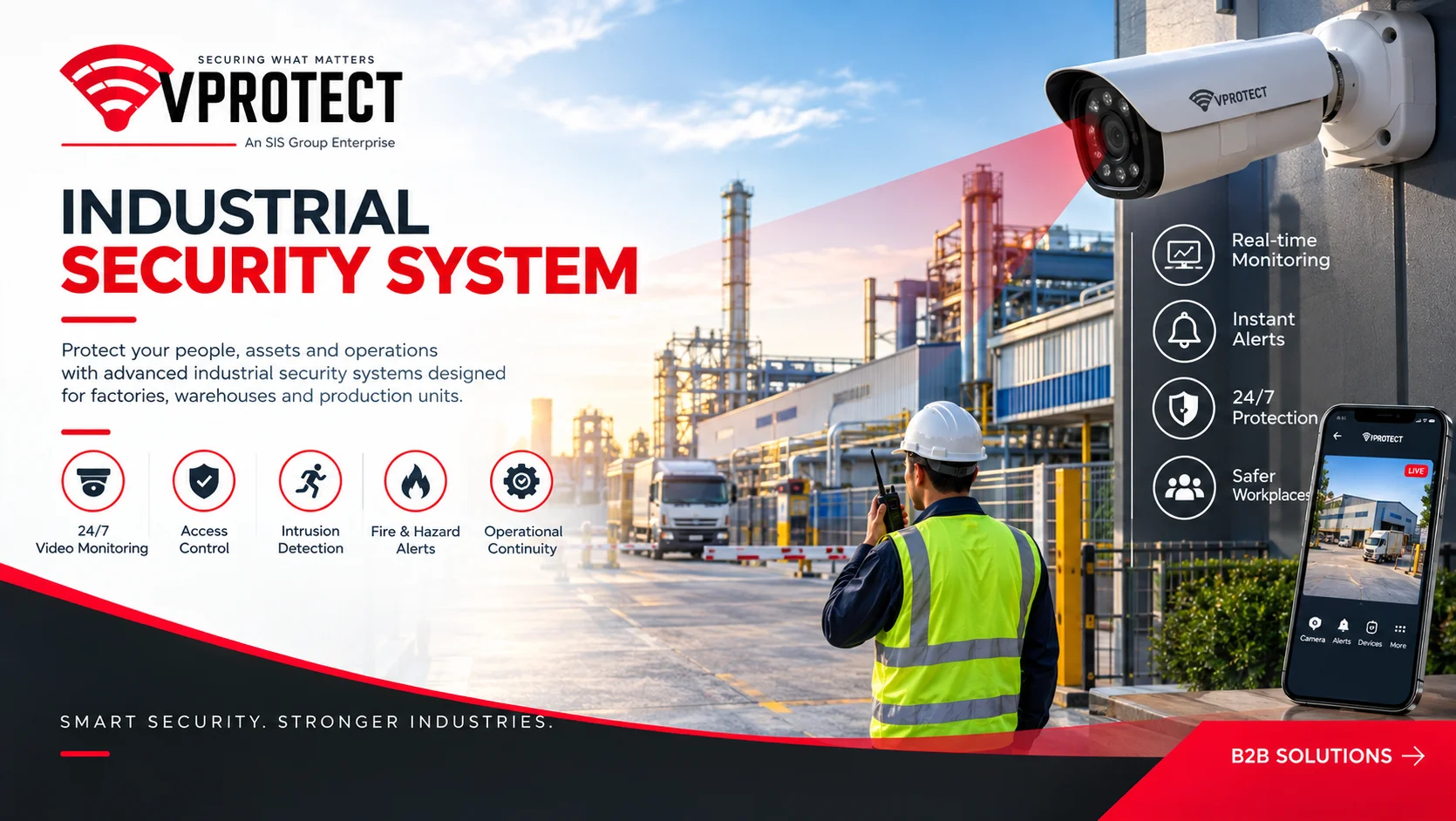
An Industrial Security System can bring together cameras, sensors, access controls, and alerts, giving security teams more information about activity around important parts of an industrial property.
Don't Forget the Night Shift
A facility can feel very different at night.
During the day, there may be hundreds of employees around. Later, only a small team might remain. That makes it particularly useful for night-shift employees to know where the emergency exits are and how to report a problem with one.
A damaged door or unusual alert shouldn't have to wait until the next morning before someone knows about it.
Construction Can Create Temporary Problems
Maintenance and construction work deserve special attention.
Contractors may need to move equipment, materials, or tools through parts of the building that normally remain clear. Temporary barriers may also change the usual routes.
Before work begins, it is worth checking whether any emergency exit or evacuation route will be affected. Once the work is finished, another quick check can confirm that everything has returned to normal.
Make Employees Part of the Process
Security doesn't always have to come from technology.
Employees who work in a particular area every day are often the first people to notice that something is wrong. They may spot a blocked exit, a damaged door, a missing sign, or a recurring access problem before anyone else does.
Giving employees a simple way to report these issues can make a real difference.
Review Exits When the Layout Changes
Industrial facilities change over time.
A new machine might be installed. A storage area might be expanded. A wall could be moved or a production line rearranged.
Whenever the layout changes, emergency routes deserve another look. An exit that was easy to reach six months ago might now be partly blocked or less visible.
It doesn't take much time to check, but it can prevent small changes from creating bigger problems.
A Simple Review Can Go a Long Way
Emergency exits don't need to become a complicated security project.
A practical review can cover the basics:
- Are the exits accessible?
- Are they clearly marked?
- Are the doors working properly?
- Is the outside area clear?
- Are important exits being monitored appropriately?
- Do employees know where they are?
- Have recent construction or layout changes affected them?
Going through these questions periodically can help keep the facility in better shape.
Final Thoughts
Emergency exits are primarily there for people, and that should always remain the priority. But they also form part of an industrial facility's overall physical environment.
Keeping them accessible, checking their condition, understanding activity around them, and using suitable monitoring can help businesses balance safety with security.
Sometimes good security is less about adding another complicated system and more about paying attention to the parts of a facility that are easy to overlook.