Sign up with Google
 Sign in with Zoho

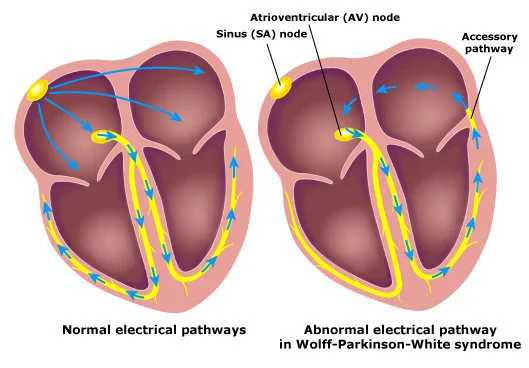
The human heart relies on a precisely coordinated electrical system to maintain a steady and efficient heartbeat. When this system functions normally, electrical signals travel through a specific pathway, allowing the heart chambers to contract in a synchronized manner. However, some individuals are born with an extra electrical pathway that can disrupt this process, leading to episodes of abnormally fast heart rhythms. This condition, known as Wolff-Parkinson-White (WPW) syndrome, is one of the most recognized causes of supraventricular tachycardia in both younger and older adults.
Individuals seeking information about wpw syndrome treatment are often looking for effective ways to control rapid heart rhythms, reduce symptoms, and prevent future complications. Advances in cardiac electrophysiology have significantly improved the diagnosis and management of this condition, allowing many patients to achieve long-term relief through accurate evaluation and modern treatment techniques.
Understanding WPW Syndrome
WPW syndrome is a congenital heart rhythm disorder in which an additional electrical connection exists between the upper and lower chambers of the heart. This extra pathway allows electrical impulses to bypass the heart's normal conduction system, creating a "short circuit" that may trigger episodes of rapid heartbeat.
While some individuals remain symptom-free throughout their lives, others experience recurring episodes that interfere with daily activities. The severity and frequency of symptoms can vary considerably from person to person.
Common Symptoms of WPW Syndrome
Symptoms usually appear when the heart begins beating much faster than normal. These episodes may last only a few minutes or continue for several hours.
Common symptoms include:
- Rapid or pounding heartbeat
- Palpitations
- Chest discomfort
- Shortness of breath
- Dizziness
- Fatigue
- Lightheadedness
- Anxiety during rapid heartbeat episodes
- Fainting in severe cases
Although these symptoms may resolve on their own, repeated episodes should always be evaluated by a qualified heart rhythm specialist.
Who Is More Likely to Develop WPW Syndrome?
Since WPW syndrome is present from birth, it may affect people of all ages. Some individuals are diagnosed during childhood, while others remain unaware of the condition until adulthood.
Certain factors may increase the likelihood of diagnosis, including:
- Family history of heart rhythm disorders
- Episodes of unexplained rapid heartbeat
- Congenital heart abnormalities
- Recurrent palpitations without an obvious cause
Many patients first discover the condition during a routine electrocardiogram or after seeking medical attention for recurrent tachycardia.
How Is WPW Syndrome Diagnosed?
An accurate diagnosis requires careful assessment of both symptoms and heart rhythm patterns.
Common diagnostic methods include:
- Electrocardiogram (ECG)
- Holter monitoring
- Event recorder monitoring
- Exercise stress testing
- Electrophysiology (EP) study
These investigations help specialists identify the abnormal electrical pathway and determine the most appropriate management strategy.
Treatment Options Available Today
Modern cardiology offers several approaches depending on symptom severity, patient age, and overall heart health.
Observation
Individuals who have no symptoms or very infrequent episodes may only require regular follow-up and periodic evaluation.
Medication
Certain medications help control abnormal heart rhythms or reduce the frequency of rapid heartbeat episodes in selected patients.
Catheter Ablation
Catheter ablation is considered one of the most effective long-term treatment options for symptomatic WPW syndrome. During this minimally invasive procedure, specialized catheters are guided into the heart to locate and eliminate the abnormal electrical pathway responsible for triggering rapid heart rhythms.
The procedure has a high success rate and allows many patients to return to their normal lifestyle after recovery.
Why Early Evaluation Makes a Difference
Seeking medical attention at the earliest signs of recurring palpitations or rapid heartbeat can significantly improve treatment outcomes.
Early evaluation helps:
- Confirm the diagnosis accurately
- Prevent recurrent arrhythmia episodes
- Reduce anxiety associated with unexplained symptoms
- Lower the risk of rhythm-related complications
- Improve overall quality of life
Prompt diagnosis also enables physicians to determine whether observation, medication, or catheter ablation is the most appropriate treatment option.
The Role of Cardiac Electrophysiologists
Heart rhythm disorders require specialized expertise beyond general cardiology. Cardiac electrophysiologists receive advanced training in diagnosing and treating abnormalities affecting the heart's electrical system.
Using sophisticated diagnostic equipment and minimally invasive procedures, these specialists develop individualized treatment plans that address each patient's specific condition while minimizing unnecessary interventions.
Expert Care from Dr Moataz Al-Qadri
Dr Moataz Al-Qadri ( دكتور معتز القادري ) is recognized for his expertise in cardiac electrophysiology and the management of complex arrhythmias. His approach emphasizes accurate diagnosis, evidence-based treatment, and patient-centered care to help individuals achieve long-term control of heart rhythm disorders.
By carefully evaluating each patient's condition and discussing available treatment options, he supports informed decision-making and personalized care throughout the treatment journey.
Specialized Cardiac Services at The Heart.ae
The Heart.ae provides comprehensive information and access to advanced cardiovascular care for individuals experiencing heart rhythm disorders. Through modern diagnostic facilities, patient education, and specialized electrophysiology expertise, the platform supports patients in understanding their condition and exploring appropriate treatment options.
Its commitment to quality cardiac care helps individuals receive timely evaluation and personalized management designed to improve both heart health and quality of life.
Conclusion
WPW syndrome is a treatable heart rhythm disorder that can often be successfully managed through early diagnosis and appropriate medical care. Understanding the symptoms, recognizing the importance of timely evaluation, and consulting experienced electrophysiology specialists are essential steps toward protecting long-term cardiovascular health.
For individuals considering wpw syndrome treatment, choosing experienced specialists and modern electrophysiology services can make a significant difference in achieving lasting symptom relief. With expert guidance from Dr Moataz Al-Qadri ( دكتور معتز القادري )and the advanced cardiac care resources available through The Heart.ae, patients have access to comprehensive solutions focused on restoring a healthy and stable heart rhythm.