Sign up with Google
 Sign in with Zoho


A sudden change in heart rhythm can sometimes become a serious medical emergency. While many irregular heartbeats are manageable, certain dangerous rhythms can cause the heart to beat too quickly and may lead to cardiac arrest if they are not treated promptly. For people who are at increased risk of these rhythms, doctors may recommend a device that can continuously monitor the heart and respond when necessary.
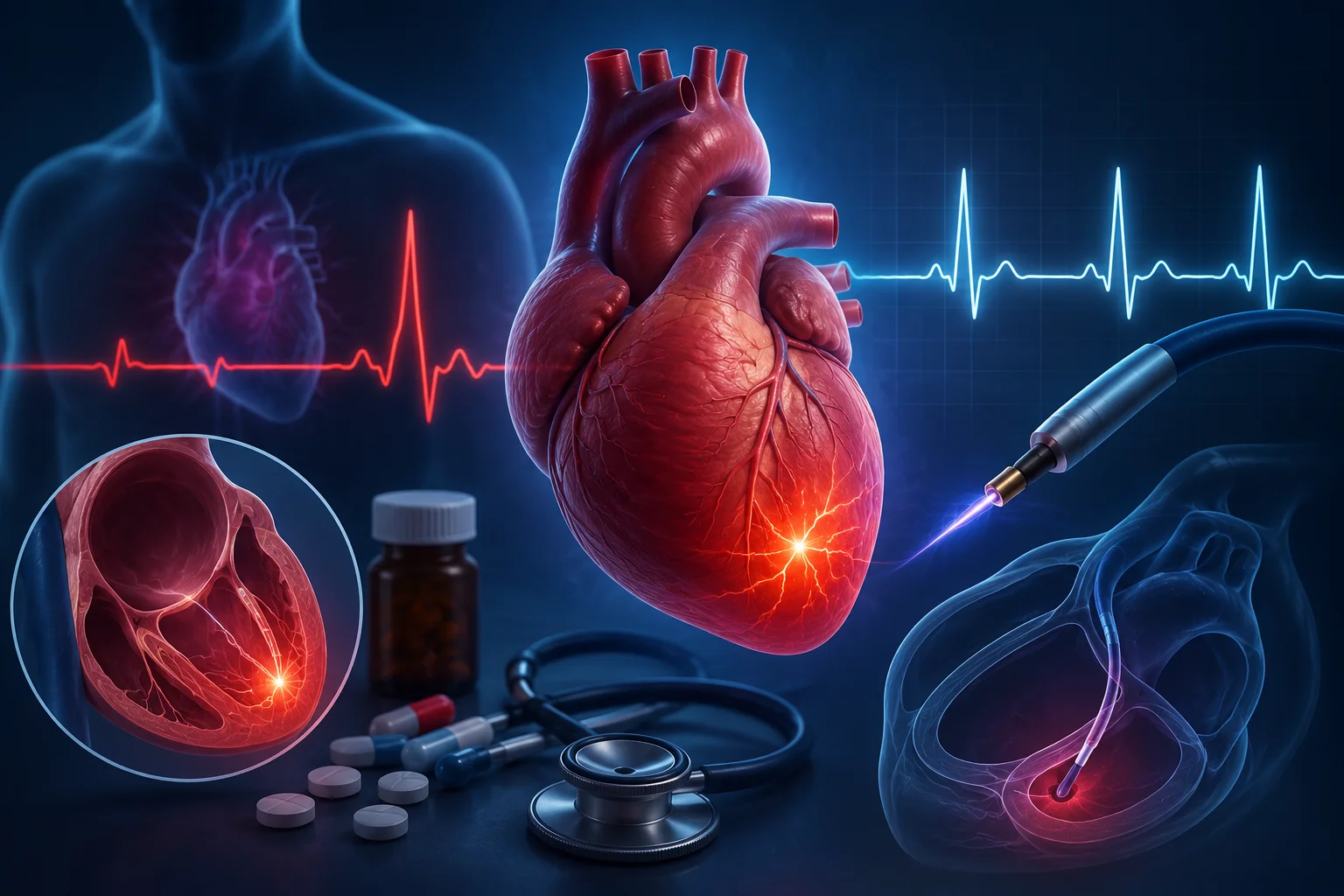
An internal cardiac defibrillator in uae may be recommended for selected patients who have a high risk of life-threatening ventricular arrhythmias. Commonly known as an implantable cardioverter-defibrillator (ICD), this small device sits inside the body and monitors the heart rhythm around the clock. If it detects a dangerous rhythm, it can deliver an electrical shock to help restore a normal rhythm.
What Is an Implantable Cardioverter-Defibrillator?
An ICD is a small electronic device that is usually placed under the skin in the chest. It is connected to the heart through one or more leads, depending on the type of device being used.
Its primary purpose is to identify abnormal heart rhythms that could be dangerous. The device continuously checks the heart's electrical activity. If it detects a life-threatening rhythm, it can respond automatically.
An ICD is different from a standard pacemaker, although some ICDs also include pacing functions. A pacemaker mainly helps manage heart rates that are too slow, while an ICD can detect and treat certain dangerously fast rhythms.
Why Might a Person Need an ICD?
An ICD is not needed simply because someone has an irregular heartbeat. It is generally considered when there is a significant risk of ventricular tachycardia or ventricular fibrillation, two rhythms that can interfere with the heart's ability to pump blood effectively.
Doctors may consider an ICD for people who have:
- Previously survived a cardiac arrest caused by a dangerous rhythm
- Experienced certain types of sustained ventricular arrhythmia
- Some forms of heart failure with reduced heart function
- Certain inherited heart rhythm conditions
- A significant risk of sudden cardiac death based on their overall cardiac condition
The reasons for implantation vary from patient to patient. A cardiologist will consider the underlying heart condition, previous events, test results, medications, and overall health before making a recommendation.
How Does the Device Work?
An ICD constantly monitors the heart's rhythm through its leads. Most of the time, the device simply observes the heartbeat without doing anything.
If an abnormal rhythm is detected, the ICD first determines whether it meets specific criteria programmed by the medical team. Depending on the rhythm and the device's programming, it may respond with pacing impulses or deliver a stronger electrical shock.
The shock is intended to stop a dangerous rhythm and allow the heart to return to a more organised rhythm.
Modern ICDs can also store information about heart rhythm events. This information can be reviewed by the medical team during follow-up appointments and can provide useful insight into what the heart has been doing between visits.
What Happens During ICD Implantation?
ICD implantation is performed in a hospital under appropriate anaesthesia or sedation. The doctor usually makes a small incision in the chest and creates a space under the skin for the device.
The leads are guided through a blood vessel into the appropriate position within the heart. Once their position and function have been checked, they are connected to the ICD.
The procedure itself does not involve opening the chest. The length of the procedure can vary depending on the type of device and the patient's circumstances.
After implantation, the device is tested to ensure that it is functioning properly. Patients are given instructions about caring for the incision and gradually returning to normal activities.
Is Living With an ICD Difficult?
Most people adapt to having an ICD as part of their daily lives. The device is relatively small, although it may be noticeable under the skin depending on the person's body shape and where it has been placed.
There may be some restrictions during the initial recovery period, particularly involving heavy lifting and strenuous movement with the arm on the side of the implant. These restrictions are usually temporary, and the cardiology team will provide individual guidance.
Patients should also attend regular follow-up appointments. The device's battery and stored information can be checked, and its settings can be adjusted when necessary.
As technology develops, some devices can also be followed remotely, allowing the medical team to receive information about the device and heart rhythm without every check requiring an in-person visit.
Can an ICD Prevent Every Cardiac Emergency?
An ICD can be highly useful for patients who are at risk of specific dangerous heart rhythms, but it does not eliminate every possible cardiac problem.
For example, it does not treat blocked arteries or prevent every heart attack. Patients may still need medicines, lifestyle changes, treatment for underlying heart disease, or other procedures.
An ICD is best viewed as one part of a broader treatment plan. Managing the condition that increases the risk of dangerous arrhythmias remains important.
What Are the Possible Risks?
Like any medical procedure, ICD implantation has potential risks. These can include infection, bleeding, damage to a blood vessel, or problems involving the leads.
There is also a possibility that the device may deliver a shock when it is not needed or that a lead may require attention later. Regular follow-up helps doctors monitor these issues and ensure the system is functioning as intended.
Patients should discuss the potential benefits and risks with their cardiologist before deciding whether implantation is appropriate.
How Can Patients Learn More About Heart Rhythm Treatment?
Learning about an ICD can help patients understand why their cardiologist may have recommended one, but online information should not replace an individual medical consultation. The reasons for implantation can be quite different from one patient to another.
The Heart.ae provides accessible information about cardiovascular health, heart rhythm disorders, diagnostic procedures, and treatment options. It can be a useful starting point for people who want to understand cardiac conditions before discussing them further with their healthcare provider.
For patients considering an internal cardiac defibrillator in uae, a consultation with a qualified cardiologist or electrophysiology specialist can help clarify whether the device is appropriate. The doctor can review the patient's heart condition, explain how the device works, discuss alternatives, and answer questions about life after implantation.
An ICD can sound intimidating when first mentioned, particularly because it is associated with serious heart rhythms. However, understanding its purpose can make the decision less overwhelming. For the right patient, the device provides ongoing protection by watching the heart's rhythm and responding when a potentially dangerous arrhythmia occurs.