Sign up with Google
 Sign in with Zoho

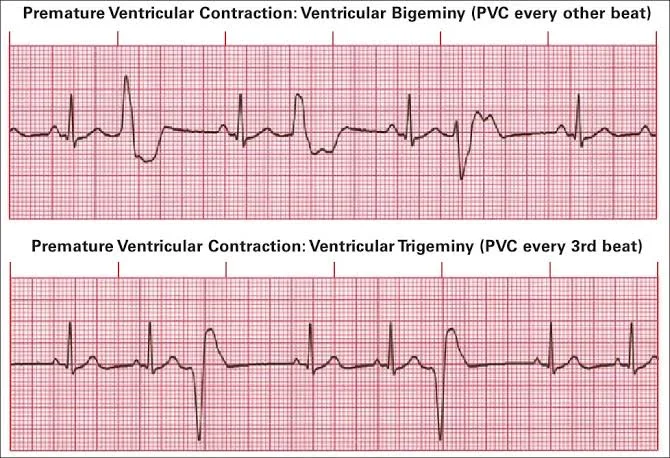
A sudden thump in your chest can catch you off guard. You may feel as though your heart has skipped a beat, followed by a stronger heartbeat a moment later. These sensations are often caused by premature ventricular contractions, or PVCs. They are extra heartbeats that start in the ventricles, the lower chambers of the heart. PVCs can happen occasionally, even in people with no known heart problems.
For someone dealing with repeated palpitations, Premature Ventricular Contractions Treatment In UAE may involve nothing more than regular monitoring, while some people may need medicines or a procedure such as catheter ablation. It really depends on what is causing the PVCs, how often they occur, and whether they are affecting the heart. A proper assessment by a heart rhythm specialist is therefore important before deciding on treatment.
What Do PVCs Feel Like?
Not everyone notices a PVC. When they are felt, people often describe them as a skipped beat, a sudden pounding sensation, or a brief flutter in the chest.
Some people may also notice:
- A stronger heartbeat after a pause
- Fluttering in the chest
- Occasional racing sensations
- Lightheadedness
- Feeling unusually tired
- Shortness of breath
The symptoms can come and go. You might notice them while sitting quietly, after exercise, during stressful situations, or even when trying to fall asleep.
What Can Trigger Extra Heartbeats?
PVCs do not always have an obvious cause. Sometimes they occur in an otherwise healthy heart and disappear just as quickly as they started.
However, certain everyday factors can make them more noticeable. Stress, lack of sleep, too much caffeine, dehydration, and alcohol are some commonly reported triggers. Some medicines and stimulants may also affect heart rhythm.
PVCs can also be linked with underlying heart conditions. This is why recurring symptoms deserve attention, particularly if they are new or becoming more frequent.
How Are PVCs Checked?
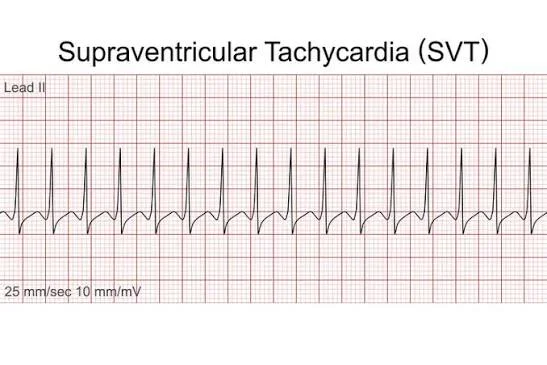
A doctor will usually start by asking about your symptoms and general health. An ECG can show the heart's electrical activity and may capture a PVC if one happens during the test.
The problem is that PVCs are not necessarily present all the time. If they do not occur during an ECG, your doctor may suggest wearing a Holter monitor or another portable device for a longer period. This can provide a much clearer picture of your heartbeat during normal daily activities.
An echocardiogram may also be used to check the heart's structure and pumping function. In some cases, additional tests are needed to understand where the abnormal beats are coming from.
Does Everyone With PVCs Need Treatment?
No. This is one of the most important things to understand about PVCs.
If they are occasional, do not cause significant symptoms, and the heart is otherwise healthy, treatment may not be necessary. Your doctor may simply recommend keeping an eye on them.
The situation can be different when PVCs happen frequently or are interfering with daily life. A high number of PVCs may also require closer attention if they are affecting how well the heart works.
The decision is based on the whole picture rather than simply counting the number of extra beats.
Can Simple Changes Help?
Sometimes they can.
If you have noticed that palpitations become more frequent after several cups of coffee, during stressful periods, or after nights of poor sleep, changing those habits may help.
Getting regular sleep, drinking enough water, managing stress, and cutting back on excessive caffeine or alcohol can be useful for some people. It can also help to keep a note of when the palpitations occur. This may help your doctor identify possible patterns.
These changes should not replace medical advice, especially if you are experiencing frequent or severe symptoms.
What If Medication Is Needed?
Medication may be considered when PVCs are causing troublesome symptoms. Depending on the situation, a doctor may prescribe medicines such as beta-blockers.
The choice of medication depends on several things, including your symptoms, other medical conditions, heart function, and the type of rhythm disturbance. Some people respond well to medication, while others may need a different approach.
It is important not to change heart medication without speaking with your doctor first.
When Is Catheter Ablation Considered?
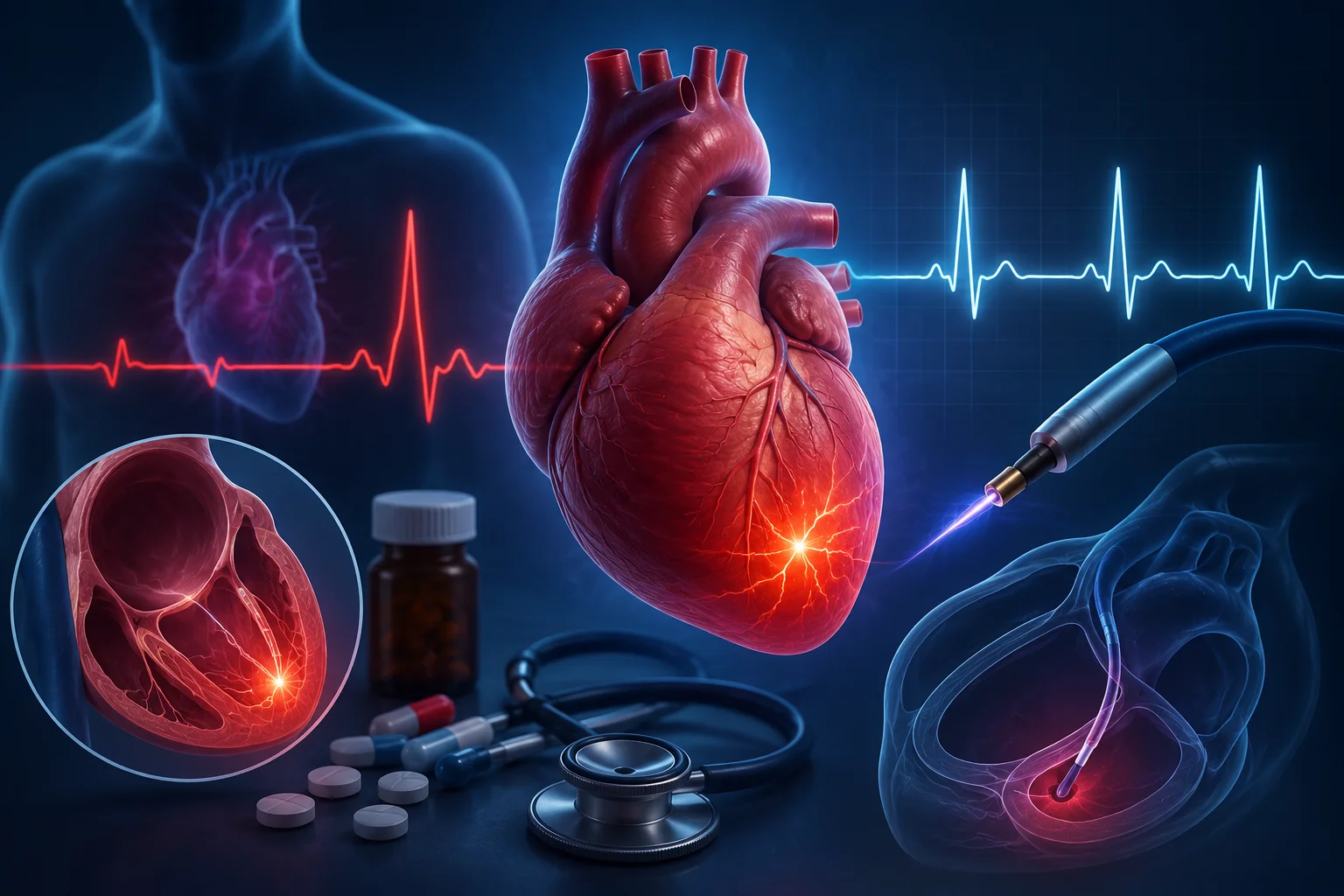
For some patients, medication may not provide enough relief. If PVCs are frequent, difficult to manage, or associated with changes in heart function, an electrophysiologist may discuss catheter ablation.
During an ablation procedure, thin catheters are guided through a blood vessel into the heart. The specialist uses these catheters to study the heart's electrical activity and identify the area responsible for the abnormal beats.
Once the source is located, controlled energy is applied to the targeted area. The goal is to prevent that area from continuing to produce the unwanted electrical signals.
Ablation is a specialized treatment and is not suitable for every person with PVCs. The decision is made after reviewing the patient's symptoms, test results, heart function, and overall health.
How Can The Heart.ae Help?
The Heart.ae provides specialist care for people experiencing heart rhythm problems. The centre focuses on the diagnosis and treatment of different types of arrhythmias and offers electrophysiology services for patients who require more specialized assessment.
Patients can consult Dr. Moutaz El Kadri, Cardiac Electrophysiologist, for evaluation of rhythm-related concerns. His expertise includes arrhythmia diagnosis, EP studies, catheter ablation, pacemakers, ICDs, and complex heart rhythm disorders.
If you are looking into Premature Ventricular Contractions Treatment In UAE, a specialist consultation can help determine whether your symptoms simply need monitoring or whether further treatment should be considered.
What Should You Do If You Keep Feeling Palpitations?
Don't try to diagnose the cause based only on how the heartbeat feels. A skipped or forceful beat can have several possible explanations.
If palpitations keep returning, become more frequent, or occur along with dizziness, fainting, chest discomfort, or breathing difficulties, speak with a healthcare professional. Keeping track of when the symptoms happen and how long they last can also be useful during your consultation.
The good news is that PVCs can often be managed once their cause and pattern are understood. With the right evaluation, patients can learn whether they need reassurance, lifestyle changes, medication, or a more specialized treatment approach.
The Heart.ae offers dedicated cardiac electrophysiology services to help patients understand their heart rhythm and discuss suitable options based on their individual needs.