
 Sign up with Google
 Sign in with Zoho

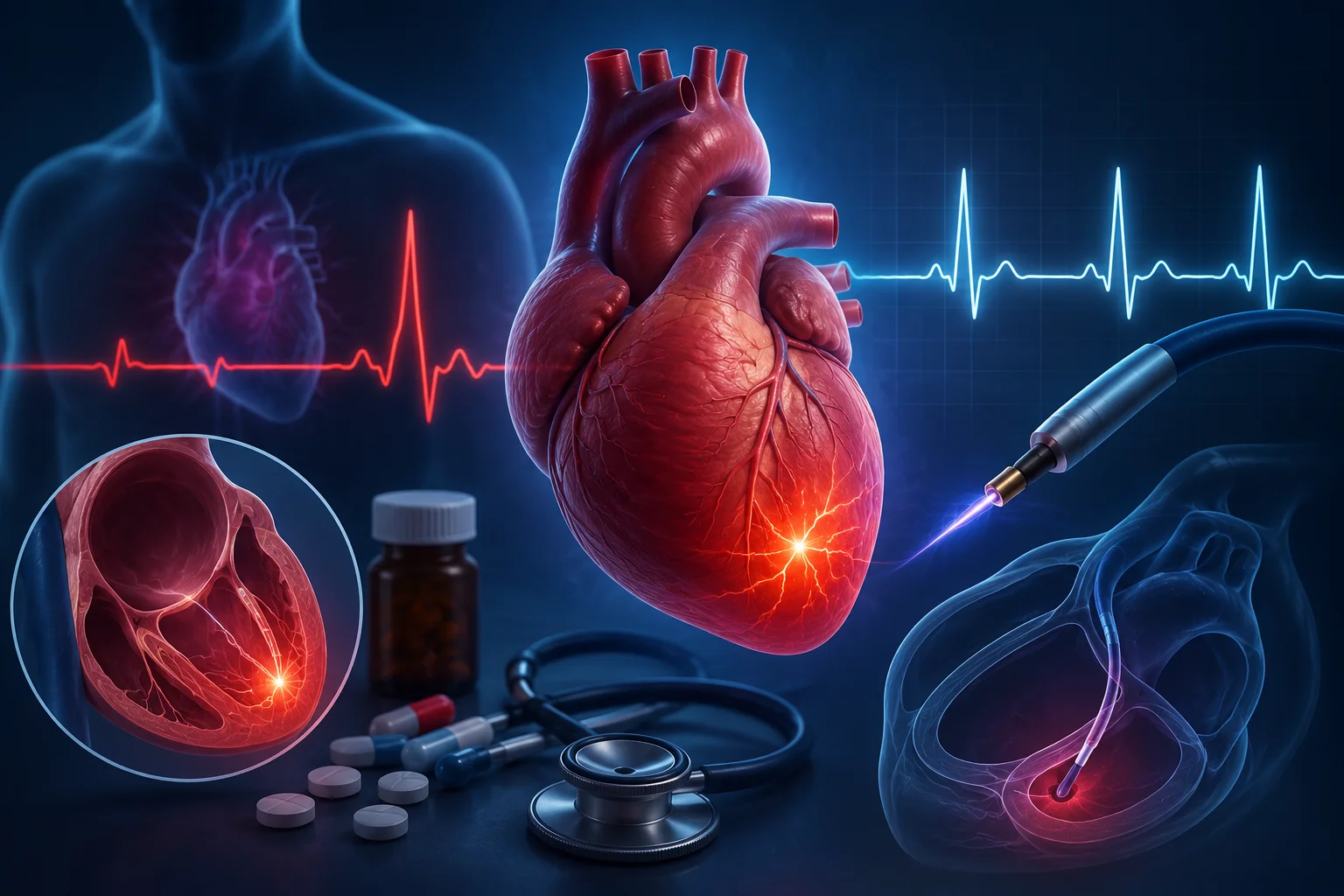
An irregular heartbeat can be unsettling, whether it happens occasionally or becomes a recurring concern. While many people experience skipped or extra heartbeats from time to time, frequent episodes should never be ignored. Heart rhythm disorders can affect people of all ages and may range from harmless conditions to abnormalities that require specialized medical care. Understanding when to seek professional evaluation is the first step toward protecting long-term heart health.
For patients experiencing frequent premature ventricular contractions, pvc ablation has become one of the most effective treatment options when lifestyle changes and medications fail to provide adequate relief. This minimally invasive procedure targets the source of abnormal electrical signals within the heart, helping restore a more regular heartbeat while reducing symptoms and improving overall quality of life.
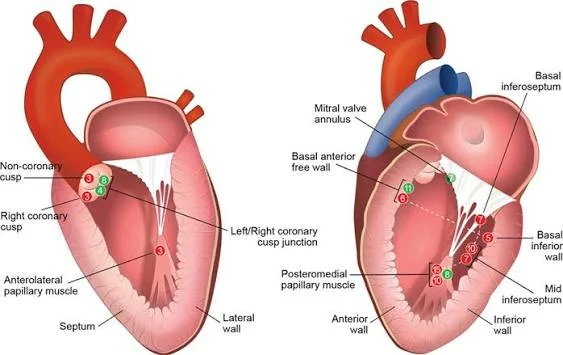
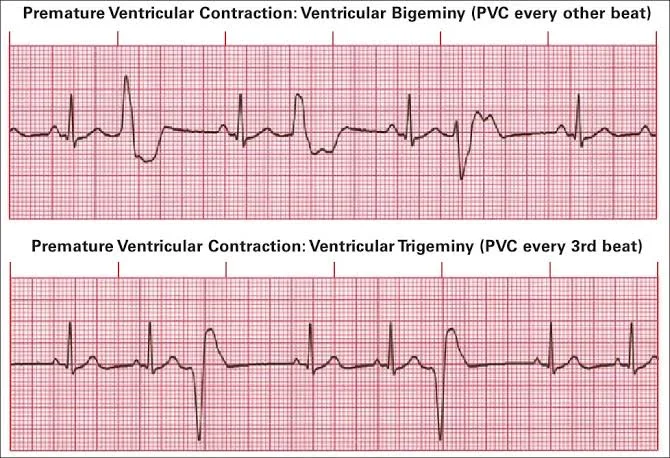
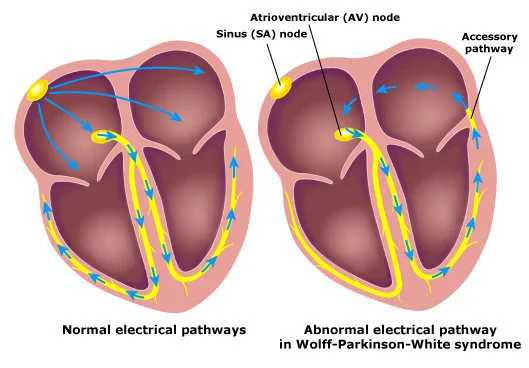
The heart relies on a carefully coordinated electrical system that controls every heartbeat. When this electrical activity is disrupted, extra beats may occur before the normal heartbeat, creating what are known as premature ventricular contractions (PVCs). Although occasional PVCs are common and often harmless, frequent episodes can interfere with normal heart function and may require medical evaluation to determine their cause.
Many factors can contribute to abnormal heart rhythms. Stress, excessive caffeine intake, lack of sleep, smoking, alcohol consumption, dehydration, and certain medications are among the common triggers. In some individuals, PVCs may also be associated with underlying conditions such as coronary artery disease, heart muscle disorders, electrolyte imbalances, thyroid abnormalities, or high blood pressure. Identifying these contributing factors is an important part of developing an appropriate treatment plan.
Symptoms vary considerably from one patient to another. Some individuals may never notice abnormal heartbeats, while others experience fluttering sensations, pounding in the chest, skipped beats, dizziness, fatigue, shortness of breath, or mild chest discomfort. In cases where PVCs occur very frequently, they may reduce the efficiency of the heart's pumping action over time, potentially affecting overall cardiac function.
A thorough medical evaluation is essential before recommending any treatment. Cardiologists typically begin with a detailed review of symptoms, medical history, and lifestyle factors. Diagnostic testing often includes an electrocardiogram (ECG) to evaluate heart rhythm, while Holter monitoring or extended cardiac event monitoring records heart activity over several days to capture intermittent abnormalities. Echocardiography, stress testing, blood investigations, and advanced cardiac imaging may also be recommended to assess heart structure and rule out underlying disease.
Not every patient requires an invasive procedure. Individuals with infrequent PVCs and no evidence of structural heart disease are often advised to focus on lifestyle improvements. Reducing caffeine and alcohol intake, quitting smoking, managing stress effectively, maintaining healthy sleep habits, and treating underlying medical conditions frequently reduce the number of abnormal heartbeats. These measures not only improve rhythm stability but also contribute to better overall cardiovascular health.
When symptoms continue despite conservative management, medications such as beta-blockers or antiarrhythmic drugs may help reduce abnormal electrical activity. These medications require careful monitoring to ensure effectiveness while minimizing potential side effects. Regular follow-up appointments allow physicians to evaluate symptom improvement and determine whether additional treatment is necessary.
For patients with persistent symptoms or a high PVC burden, catheter-based procedures offer excellent outcomes. During the procedure, thin flexible catheters are guided through blood vessels into the heart using advanced imaging technology. Sophisticated three-dimensional electrical mapping identifies the precise location where abnormal signals originate. Once identified, controlled energy is delivered to eliminate the abnormal tissue responsible for triggering the irregular rhythm. This highly targeted approach allows physicians to treat the condition while preserving healthy heart tissue.
One of the greatest advantages of modern electrophysiology procedures is their minimally invasive nature. Most patients experience shorter hospital stays, faster recovery, less discomfort, and a quicker return to daily activities compared to traditional surgical interventions. Continued advancements in mapping systems and catheter technology have further improved safety, precision, and long-term success rates.
Choosing an experienced cardiac electrophysiology team is essential for achieving the best possible outcomes. Patients benefit from physicians who specialize in diagnosing and treating complex heart rhythm disorders using the latest evidence-based techniques. Access to advanced diagnostic facilities, comprehensive rhythm monitoring, and individualized treatment planning ensures every patient receives care tailored to their specific condition.
The Heart.ae provides comprehensive evaluation and treatment for a wide range of cardiac rhythm disorders through advanced electrophysiology services. Patients seeking guidance from the best electrophysiologist in dubai receive expert assessment, detailed diagnostic testing, and personalized treatment strategies designed to improve heart rhythm, reduce symptoms, and enhance long-term cardiovascular health. The focus remains on delivering patient-centered care supported by modern technology and internationally accepted clinical standards.
Preventive heart care should remain a lifelong priority. Maintaining a balanced diet, exercising regularly, managing blood pressure, controlling diabetes, avoiding tobacco, limiting excessive alcohol consumption, and attending regular medical check-ups all contribute to healthier heart function. Individuals who experience persistent palpitations or unexplained irregular heartbeats should seek timely evaluation rather than waiting for symptoms to worsen.
Medical advances continue to transform the management of heart rhythm disorders, offering patients safer and more effective treatment options than ever before. For individuals experiencing frequent symptomatic PVCs, pvc ablation provides a highly effective solution that can significantly improve comfort, confidence, and quality of life. Early diagnosis, expert evaluation, and appropriate treatment remain the keys to maintaining a healthy heartbeat for years to come.












.webp)