Sign up with Google
 Sign in with Zoho

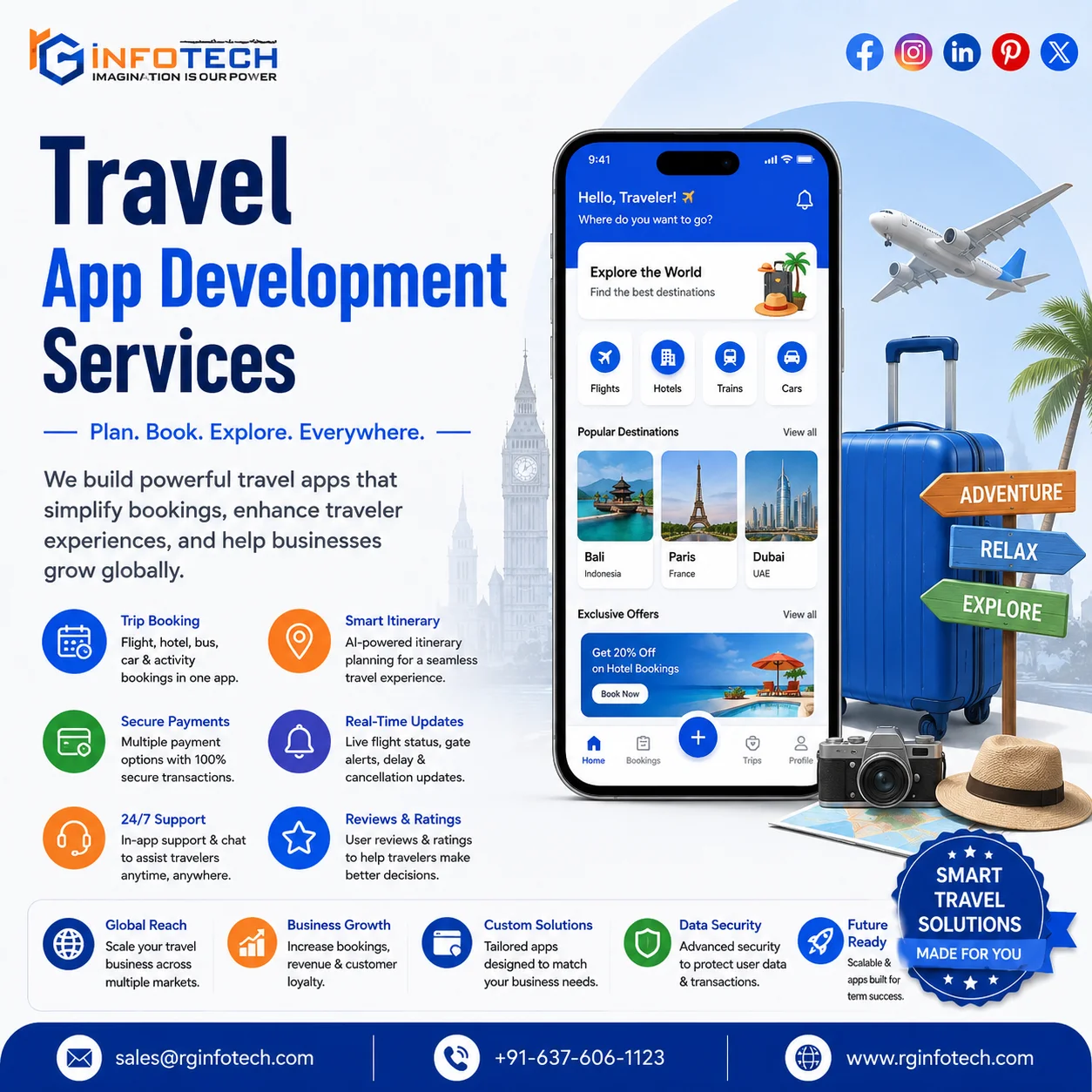
Travel apps have transformed how people plan, book, and manage their journeys. From finding flights and hotels to discovering destinations, booking activities, and receiving real-time travel updates, a well-designed app can bring the entire travel experience into one platform. However, building a successful travel application requires more than attractive screens and basic booking features.
A structured development process helps businesses create secure, scalable, and user-friendly solutions. Whether you are developing a travel booking platform, itinerary planner, hotel app, or all-in-one travel marketplace, understanding each stage can help you plan your project more effectively.
1. Research and Define Your Travel App Idea
The first step is to clearly define what your travel app will offer. The travel industry includes many types of applications, such as flight booking apps, hotel reservation platforms, tour and activity apps, itinerary planners, travel guide apps, and transportation applications.
Start by identifying your target audience and understanding their problems. For example, frequent travelers may need faster booking and personalized recommendations, while leisure travelers may prefer itinerary planning and destination discovery.
Market research is also important at this stage. Study competing applications, their features, pricing models, customer reviews, and weaknesses. This information can help you identify opportunities to make your application more useful or unique.
A professional Travel App Development Company can also help transform your initial concept into a practical product strategy based on your target market and business objectives.
2. Plan Features and Functionalities
Once the idea is defined, create a detailed feature list. Your features should directly address user requirements while supporting your business model.
Common travel app features include:
- User registration and social login
- Search and filtering
- Flight and hotel booking
- Secure online payments
- Destination information
- Personalized recommendations
- GPS and location services
- Interactive maps
- Itinerary management
- Booking history
- Push notifications
- Reviews and ratings
- Multilingual and multi-currency support
- Customer support
- Admin dashboard
You do not necessarily need to launch with every possible feature. Start with a minimum viable product (MVP) containing the most important functionalities. After collecting user feedback, additional features can be introduced through future updates.
3. Design the UI/UX
User experience can strongly influence the success of a travel application. Travelers often use apps while moving between destinations, waiting at airports, or making quick booking decisions. Therefore, the interface should be simple, responsive, and easy to navigate.
Begin with wireframes to determine the placement of menus, buttons, search tools, booking sections, and other important components. Next, create high-fidelity designs that establish colors, typography, images, icons, and overall branding.
The booking process should require as few unnecessary steps as possible. Important information such as prices, availability, cancellation policies, travel dates, and booking confirmations should be easy to understand.
A mobile-first design approach is particularly useful because travelers commonly access travel services through smartphones.
4. Select the Technology Stack
The next stage involves choosing technologies capable of supporting your application's functionality and expected user base.
For mobile development, businesses can choose native technologies such as Swift for iOS and Kotlin for Android or cross-platform frameworks such as Flutter and React Native.
The backend may use technologies such as Node.js, Python, Java, or other suitable frameworks. Databases can include PostgreSQL, MySQL, MongoDB, or similar solutions depending on project requirements.
Cloud infrastructure can provide scalability, storage, analytics, and reliable application performance. APIs are equally important because travel apps often need external services for flights, hotels, maps, weather, payments, currency conversion, and other information.
Working with a Travel App Development Company can help you select a technology stack based on scalability, security, integrations, development time, and long-term maintenance requirements.
5. Develop the Travel App
After the designs and technology architecture are finalized, developers begin implementation. Development is usually divided into frontend and backend work.
The frontend handles what users see and interact with, including search screens, destination pages, booking forms, maps, profiles, and payment interfaces. The backend manages business logic, databases, authentication, bookings, notifications, APIs, and administrative operations.
Third-party integrations are particularly important for travel applications. For example, flight and hotel APIs can provide availability and pricing, while map APIs can support navigation and location-based services.
Security should also be considered throughout development. Sensitive information such as account credentials and payment details must be protected through appropriate authentication, encryption, secure APIs, and access controls.
6. Test Every Major Function
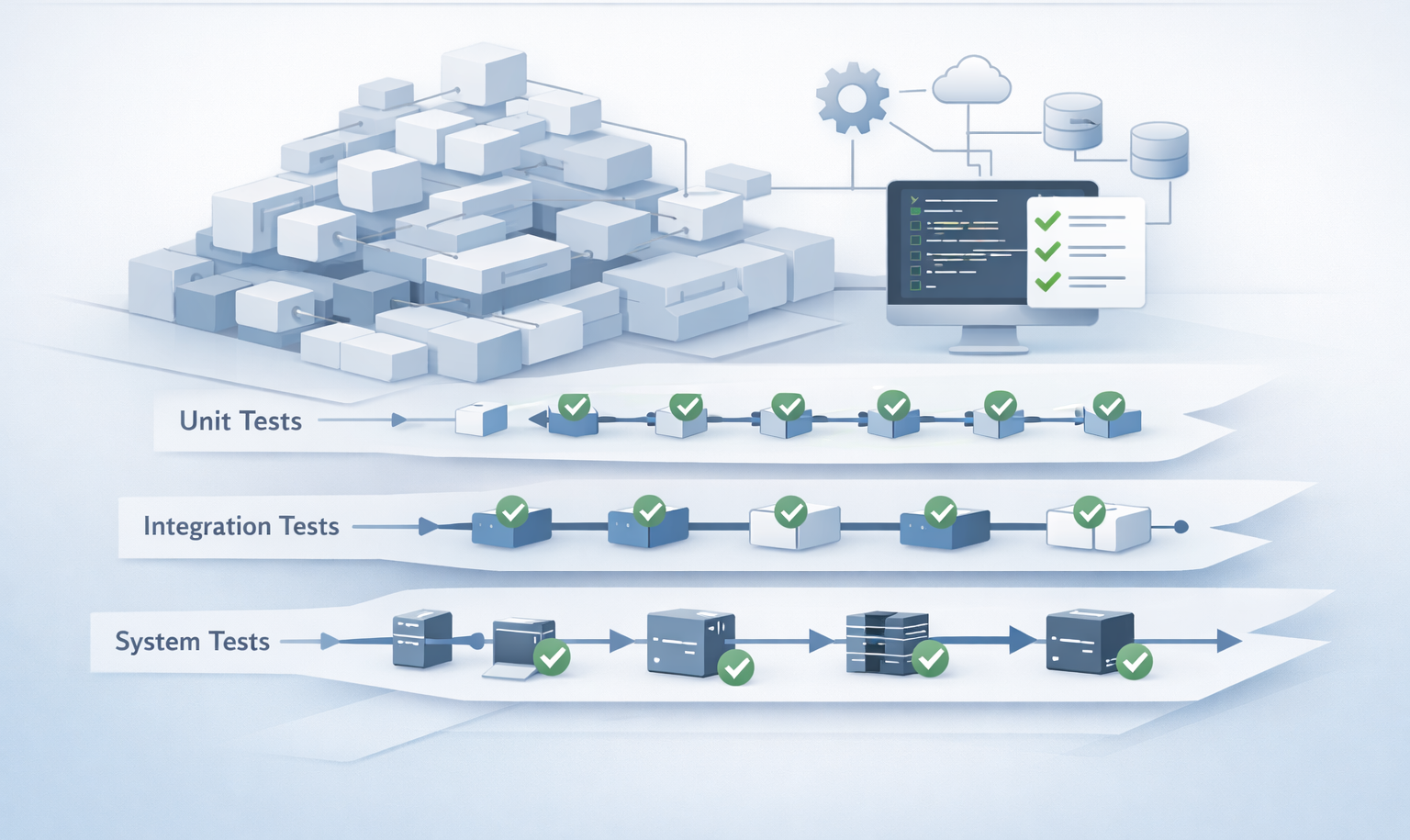
Testing ensures that your travel app works properly before it reaches customers. Developers and QA professionals should test individual features as well as complete user journeys.
Functional testing checks whether features operate according to requirements. Performance testing evaluates how the application behaves under different traffic levels. Security testing helps identify vulnerabilities, while usability testing determines whether users can complete tasks without confusion.
Testing should cover different smartphones, operating systems, screen sizes, network conditions, and browsers where applicable.
Particular attention should be given to booking and payment processes. An error during these stages can lead to failed transactions, duplicate bookings, or frustrated customers.
7. Launch the Application
After testing and final improvements, prepare the app for release. This includes configuring production servers, preparing app store listings, creating promotional materials, implementing analytics, and ensuring that privacy policies and other required documentation are available.
For mobile applications, developers must submit the application to the relevant app stores and follow their guidelines.
A gradual launch can be useful for some businesses. Releasing an MVP to a smaller audience first allows you to collect feedback and resolve unexpected problems before expanding to a larger market.
8. Maintain and Improve the App
Development does not end after launch. Travel trends, customer expectations, operating systems, APIs, and security requirements continue to change.
Regular maintenance may include fixing bugs, updating APIs, improving performance, strengthening security, and supporting newer operating system versions. Analytics and customer feedback can also reveal which features users prefer and where they experience difficulties.
You can gradually introduce advanced capabilities such as AI-powered travel recommendations, dynamic pricing, voice search, personalized itineraries, smart notifications, and location-based offers.
An experienced Travel App Development Company can provide ongoing maintenance and improvements to ensure the application remains competitive and reliable.
Conclusion
The travel app development process involves several connected stages, from market research and feature planning to UI/UX design, technology selection, development, testing, launch, and continuous maintenance. Following a structured approach helps reduce development risks while creating an application that delivers genuine value to travelers.
Choosing the right development partner is equally important. The right team can assist with technical planning, API integrations, security, scalability, design, and post-launch support.