Sign up with Google
 Sign in with Zoho

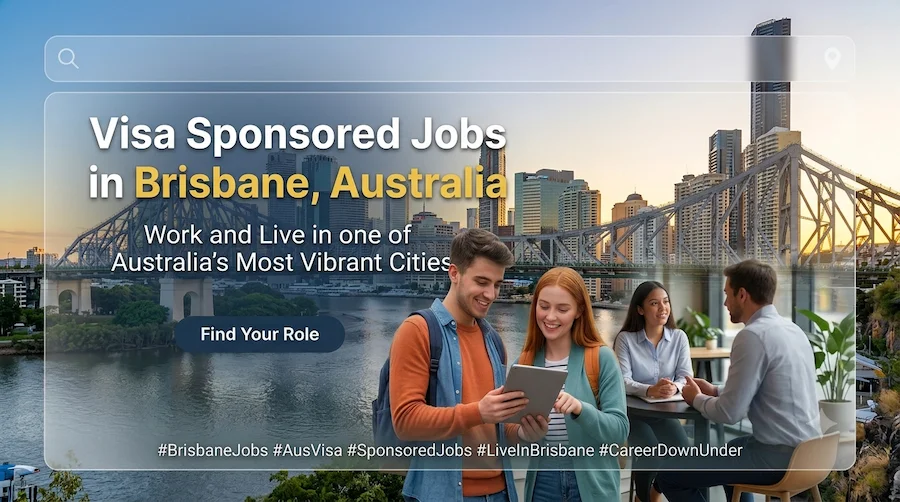
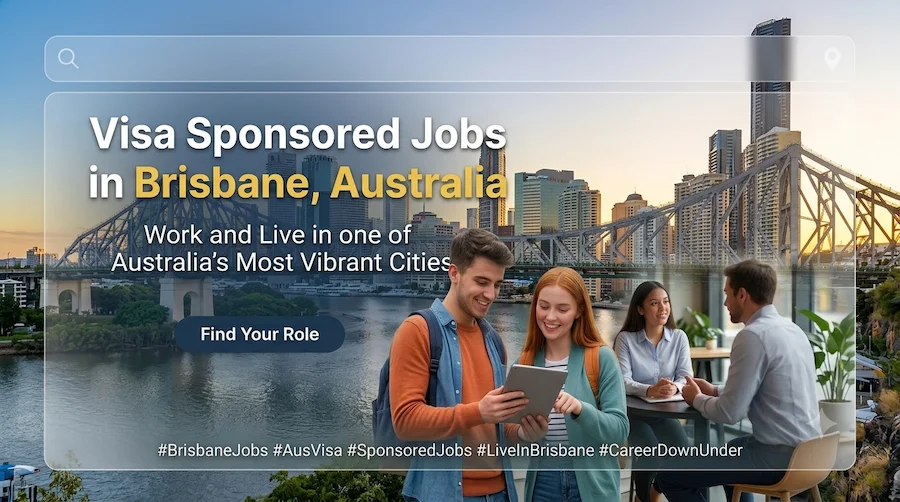
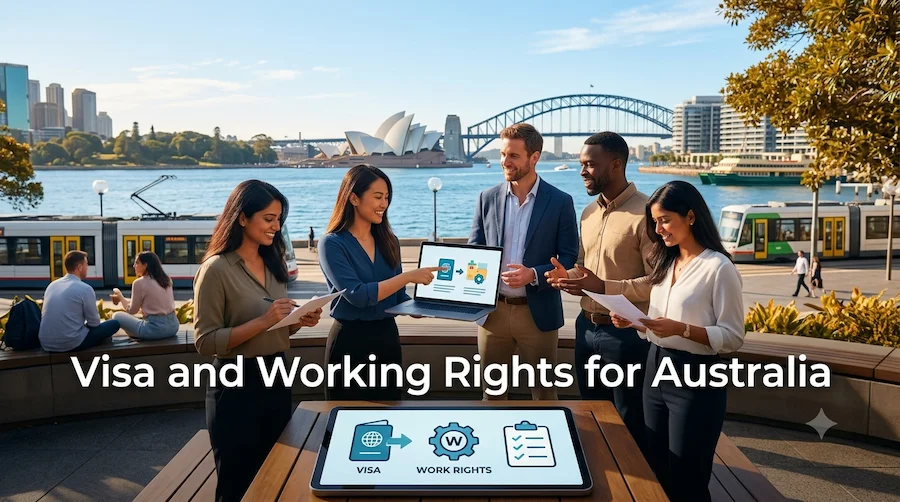
Every year, thousands of international students land in Brisbane with the same two hopes. They want to earn enough to ease the cost of living, and they want their time in Australia to lead somewhere. Both goals are realistic. But the job search here works differently from many students' home countries, and most of the mistakes I see come from assumptions, not effort.
This article covers how work rights actually function, which types of jobs suit which stage of your studies, and what "visa sponsored" really means when you see it on a listing.
Start with your visa conditions, not the job board
Before you send a single application, read your visa conditions. Most international students in Australia hold a Student visa (subclass 500). According to the Department of Home Affairs and Study Australia, this visa generally lets you work up to 48 hours per fortnight while your course is in session. During official study breaks, there is generally no cap.
Two details trip people up. First, a fortnight is a fixed two-week period starting on a Monday, so you can't average your hours loosely. Second, all your jobs count together. If you tutor for 10 hours and work a café shift for 20 in the same week, that is 30 hours toward your limit.
You can check your own conditions through your grant letter or the VEVO system. Do this first, because rules can differ depending on your course level and when you applied.
Understand the three kinds of roles
Brisbane's student job market falls roughly into three groups, and it helps to treat them separately.
Part-time and casual work. Retail, hospitality, warehousing and customer service are the most common entry points. They rarely need a specific qualification. They pay the bills and build local references, which matters more than most students expect.
Internships and summer programs. Engineering, consulting, finance and environmental firms in Brisbane run structured programs, often aimed at students in their penultimate or final year. Many start recruiting months ahead. A program beginning in December, for example, may open applications well before mid-year. Employers running these programs rarely need to sponsor a visa, since students with a valid visa can usually take part, subject to their visa conditions and course requirements. Your university careers team can confirm the details for your case.
Graduate programs. These are structured entry-level roles for people who have finished or are about to finish a degree. Some employers here are open to supporting a visa for the right candidate, and this is where the phrase "visa sponsored" mostly appears.
What "visa sponsored" really means
Seeing a sponsorship tag on a listing is encouraging, but it isn't a promise. Sponsorship means an approved employer is prepared to nominate you for a visa. The main employer-sponsored route is the Skills in Demand visa (subclass 482). Home Affairs describes it as a temporary visa for skilled workers when an employer can't find a suitably skilled Australian for the position.
Applicants are generally expected to hold a nominated occupation that is eligible, meet skill and English requirements, and have relevant work experience, commonly at least one year. The visa is also tied to the sponsoring employer and the nominated role. That has a practical consequence: the one year of experience you need later is often built through the internships and part-time work you do now.
A realistic timeline
Here is how many students I know sequenced things.
- In the first semester, take a casual job, learn the workplace culture and collect a local reference.
- By the middle of the degree, apply for a relevant internship or a volunteer role in your field.
- In the penultimate year, target summer programs and graduate schemes, and apply early.
- After graduation, look at graduate roles and ask directly about sponsorship policy during the process.
You don't need to follow this exactly. The point is to avoid waiting until the final semester to start.
Practical habits that improve your odds
- Tailor every application. Match the language of the job description honestly. Generic resumes are ignored.
- Check listing dates. A role posted a few days ago is far more likely to be open than one posted months back.
- Use one tracker. A simple spreadsheet with the date, role, employer and follow-up date prevents missed deadlines.
- Ask about visa policy politely. Do it after you've shown your value, ideally in an interview, not in the first email.
- Keep records of your hours. If your visa has a cap, proof that you stayed within it protects you.
Where to search
General job boards are useful, but they aren't built around student visa questions. Portals made for international students, such as Student Circus, group listings by type and tag them, for example internship, part-time or visa sponsored. That saves time when you're filtering by your situation. Use whichever platforms suit you, and cross-check anything important against the employer's own careers page.
A caution about shortcuts
Be wary of anyone who charges a fee to "guarantee" sponsorship or a job. Legitimate employers don't ask candidates to pay for sponsorship. For personal migration advice, speak to a registered migration agent, and always confirm current rules with Home Affairs, since policies change.
Final thoughts
Building a career in Brisbane as an international student is a matter of sequencing: know your limits, gain local experience, then aim for the employers who support long-term visas. Progress can feel slow, but each casual shift, internship or graduate application adds to the experience that sponsorship eventually asks for. Start with what you can control this week, and the longer plan becomes much easier to follow.