Sign up with Google
 Sign in with Zoho

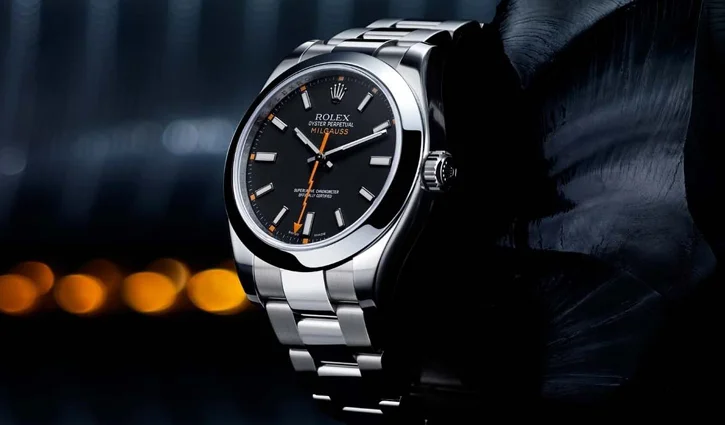
Somewhere between the growing demand for luxury watches and the shrinking production numbers of brands like Rolex, a quiet problem has been building in the second hand and grey market: counterfeits so precise that even the weight, the dial, and the movement inside are engineered to feel authentic. A proper watch valuation isn’t just about establishing what a watch is worth anymore, as increasingly, it starts with confirming the watch is genuinely what it claims to be in the first place.
Why Authenticity Has Become a Real Concern, not a Rare Exception
It’s tempting to assume counterfeit watches are an obvious, easily spotted problem, like something that only catches out careless buyers on dubious websites. That assumption doesn’t hold up anymore.
How Good Replicas Have Actually Gotten
As it’s become increasingly difficult to buy certain models directly from brands like Rolex, Hublot, and Patek Philippe due to limited production numbers, replica manufacturers have moved aggressively into the grey market. These aren’t just crude imitations but are painstakingly engineered to replicate the dial, the case, the weight, and even the internal movement. They are replicated closely enough that distinguishing a genuine piece from a convincing fake has become a genuine specialist task, not something most owners can confidently do themselves.
Why This Matters Even If You Bought Directly from a Dealer
Authentication isn’t just relevant for private second-hand purchases. It’s increasingly offered specifically to watch traders too, precisely because even businesses handling watches regularly benefit from an independent check that boosts confidence for their own clients, which is a sign of how seriously the trade itself treats this risk.
Rolex Authentication: What Actually Gets Checked
Rolex authentication isn’t a visual once-over. It’s a detailed inspection built to catch the specific ways counterfeits fail to hold up under close examination.
The Details a Trained Eye Looks For
A proper authentication service involves a team carefully inspecting a watch with exact detailing to determine whether it’s genuinely what it claims to be. This includes checking serial numbers and model identifiers against known production data, confirming the watch matches the correct specifications for its era, and identifying whether any parts have been replaced or repaired using non-original components, any of which can affect both authenticity and value even on an otherwise genuine piece.
What You Actually Get at the End
If a watch passes inspection, a certificate confirming authenticity is provided, which is a document with real, practical value beyond peace of mind. It supports resale, strengthens an insurance claim, and gives you something concrete to point to if a watch’s legitimacy is ever questioned down the line.
Watch Valuation in Manchester: Why Location Genuinely Matters Here
For anyone based outside London, getting this right doesn’t mean travelling across the country. A full watch valuation service in Manchester exists to ensure proper valuation of watches, fine art, and antiques. Experts locally can properly value watches, fine art, and antiques through a full watch valuation in Manchester.
The Practical Advantage of Not Shipping a Watch Anywhere
Sending a genuinely valuable watch through the post, even insured, introduces a level of risk most owners would rather avoid if there’s a legitimate local alternative. A Manchester-based valuation service removes that entirely, as you will need no shipping, no waiting on a courier, just a straightforward, local appointment.
The Same Rigour, Closer to Home
Choosing a local service doesn’t mean compromising on thoroughness. The same detailed documentation, current market pricing knowledge, and attention to authenticity apply regardless of which regional office actually carries out the assessment, as the value of going local is convenience, not a lesser standard of scrutiny.
Summing Up
To sum up, if you own a watch worth insuring, the real question isn’t simply “what is it worth?” but rather, “can I prove what it is and what it’s worth if I ever need to?” A valuation on its own answers half that question, and getting the authentication done answers the other half. So, however your valuation has been completed, the document that you get is something that actually stands between an owner and a denied or disputed insurance claim, not because fraud is assumed, but because in a market where replicas have become this convincing, proof is the only thing that reliably holds up.