Sign up with Google
 Sign in with Zoho

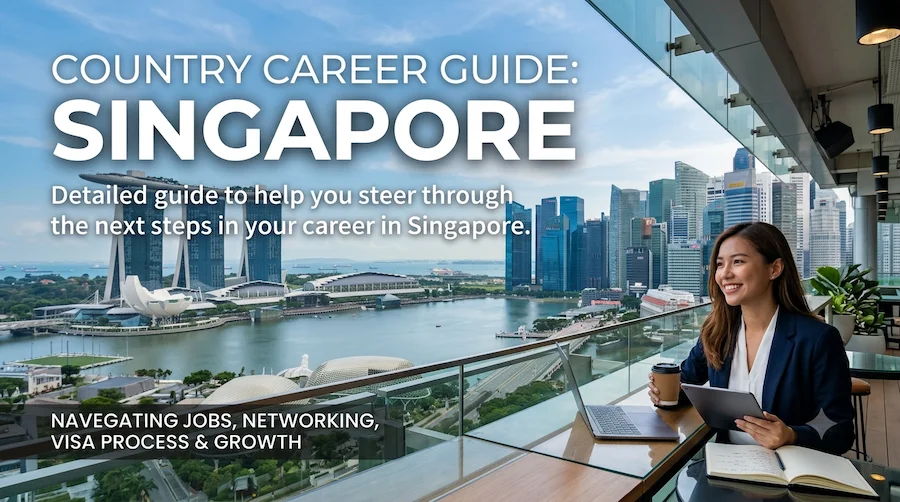
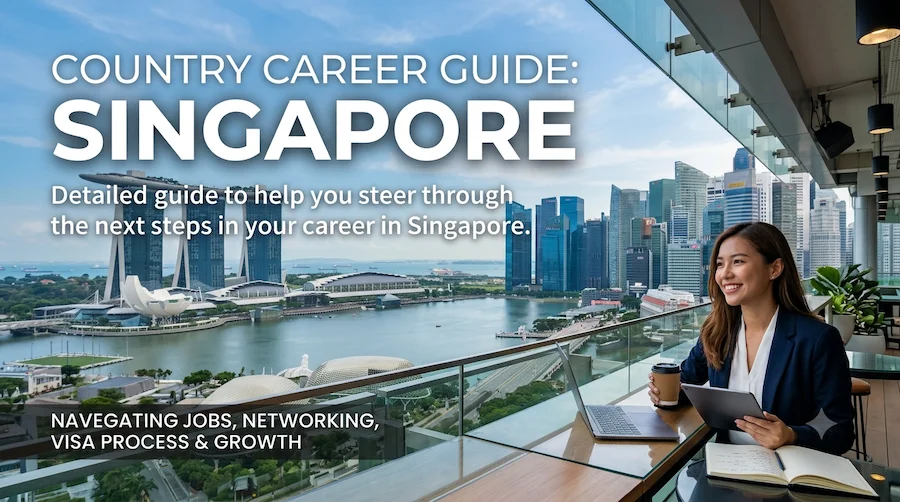
When people say “work in Singapore,” they picture one skyline. The job market is actually a set of neighbourhoods, each built around a different industry. If you apply without knowing which is which, you waste effort.
[Add 2–3 sentences here about your own experience or something you’ve seen. This is the most useful way to keep the AI score low.]
The finance core
Raffles Place and Marina Bay hold the banks, wealth managers and professional services firms. Competition is intense and polish matters. Several global names here, including JPMorgan Chase and DBS Bank, appear on recent employer rankings.
The science and start-up corner
One-North, around Buona Vista, mixes biomedical research with tech start-ups and media companies. It suits graduates from life sciences, data and software backgrounds, and it sits close to the main universities, so events and talks are easy to find.
Factories, but high-tech ones
Woodlands and Tampines are known for electronics and precision engineering. Singapore’s strength in semiconductors makes these areas relevant if you study engineering or manufacturing. Jurong Island covers petrochemicals and energy.
Airport and logistics belt
Changi Business Park combines aerospace, logistics and ICT. Singapore Airlines is one of the best-known employers in this space.
The newer digital hub
Punggol Digital District focuses on cybersecurity, digital technology and applied research. It is still developing, so it is worth watching if you want to be early.
What this means for your search
- Match your degree to a cluster first, then research employers in that area.
- Expect referrals to matter. Career fairs and alumni networks are the main routes in, and cold applications are tough.
- Plan for visas early. Employers apply for the Employment Pass on your behalf. Check the current rules on the Ministry of Manpower site.
- Budget realistically. A one-bedroom condo outside the centre is roughly S$2,500–3,500 a month, and private health insurance for pass holders often runs S$100–300 monthly.
Do you need another language?
For most jobs, no. English carries almost every professional setting. Mandarin, Malay or Tamil gives an edge in specific client-facing or government-related roles.
Final thought
Singapore rewards people who arrive with a plan. Knowing where your industry lives, and who hires there, makes the first six months far less stressful. If you want the full overview of employers, entry steps and costs in one place, the Singapore career guide from Student Circus covers it.
About the author: Written by the Student Circus editorial team, which helps students compare study and career pathways abroad.