Sign up with Google
 Sign in with Zoho

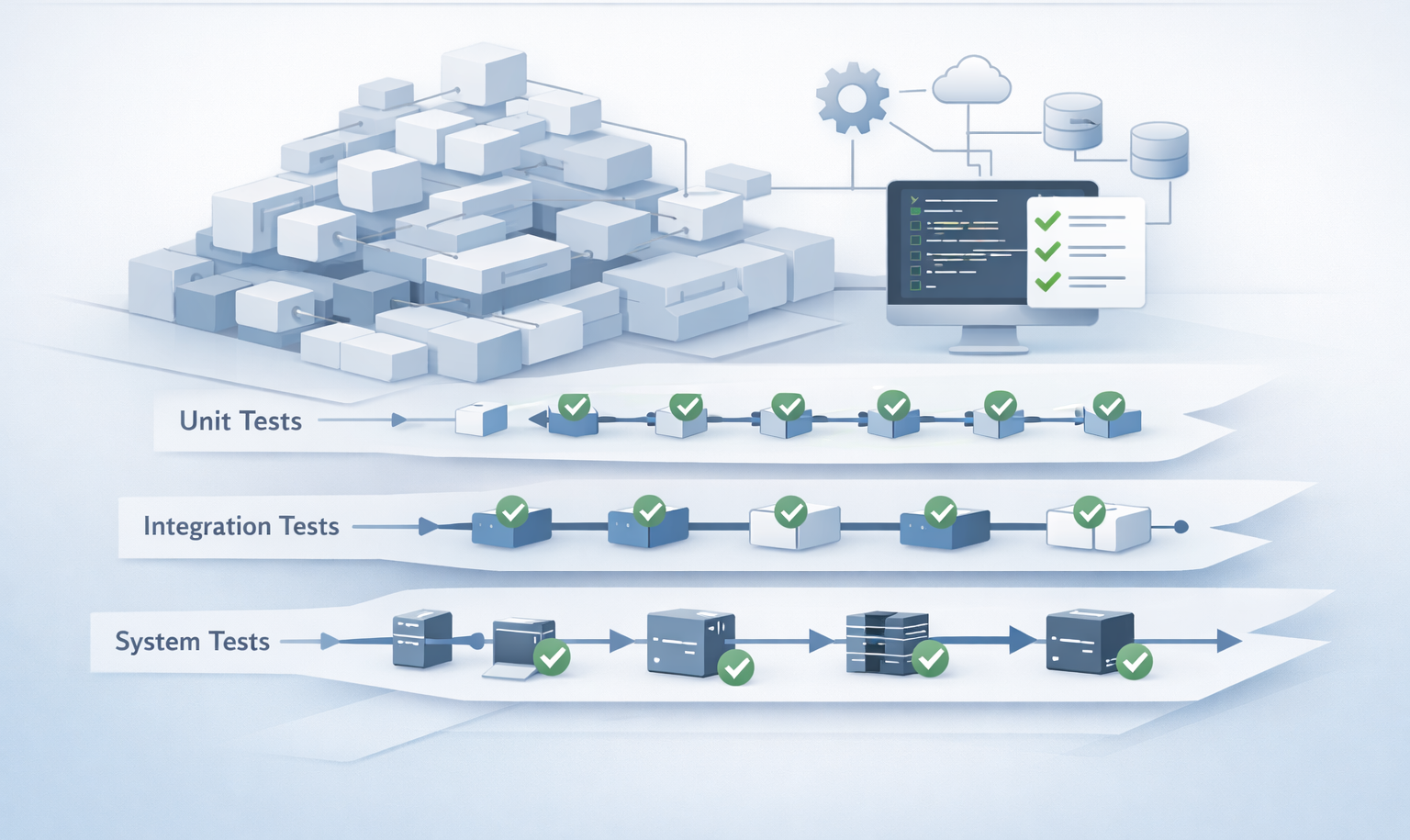
Modern systems rarely operate with static data models. APIs evolve, databases change, and new fields are introduced as products grow. While these changes are necessary, they introduce a unique challenge for test automation: keeping tests aligned with continuously evolving data schemas.
This is where a strong foundation in software test automation becomes important. Instead of treating schema changes as disruptions, teams can design automation strategies that adapt alongside the system, ensuring both flexibility and reliability.
Why Data Schemas Keep Changing
In real-world systems, data schemas evolve due to:
- New product features and requirements
- Backward compatibility needs
- Integration with external systems
- Performance optimizations
- Refactoring and architectural improvements
These changes are a natural part of system growth, but they can affect how tests are written, executed, and maintained.
The Impact of Schema Changes on Test Automation
When schemas change, software test automation can face several challenges:
- Test failures due to missing or renamed fields
- Mismatched request and response structures
- Increased maintenance effort
- Reduced trust in test results
Without the right approach, even well-designed test suites can become fragile.
Designing Test Automation for Schema Evolution
Effective test automation in evolving systems is not about avoiding change, but about handling it gracefully.
1. Focus on Behavior Over Structure
Tests that depend heavily on exact data structures are more likely to break.
Instead, teams should:
- Validate outcomes rather than exact field presence
- Focus on critical data points
- Avoid over-specifying responses
This makes tests more resilient to non-breaking changes.
2. Use Flexible Assertions
Rigid assertions can cause unnecessary failures.
Better approaches include:
- Partial response validation
- Schema-aware validation rules
- Ignoring non-critical fields
This allows tests to remain stable while still ensuring correctness.
3. Maintain Version Awareness
In systems with multiple versions:
- Track schema versions explicitly
- Align tests with specific versions
- Ensure backward compatibility is validated
This prevents confusion when multiple schema versions coexist.
4. Keep Test Data Adaptable
Static test data can quickly become outdated.
To improve adaptability:
- Use dynamic data generation
- Avoid hardcoding values
- Regularly update datasets
This ensures tests stay relevant as schemas evolve.
5. Automate Test Updates Where Possible
Manual updates can become a bottleneck.
Some modern approaches to software test automation reduce this effort by:
- Generating tests from real system interactions
- Updating test cases based on observed behavior
- Reusing existing data patterns
For example, tools like Keploy capture real API interactions and convert them into test cases. This helps teams keep their tests aligned with actual system behavior, even as schemas change over time.
6. Validate Backward Compatibility
Schema evolution should not break existing functionality.
Testing should ensure:
- Older clients continue to work
- Optional fields are handled correctly
- Deprecated fields do not cause issues
This is critical for maintaining system stability.
7. Integrate Schema Checks into CI/CD
Automation should include schema validation as part of the pipeline.
This can involve:
- Detecting breaking changes early
- Running compatibility tests
- Validating contract consistency
Early detection reduces downstream issues.
Common Pitfalls to Avoid
Even with good practices, teams can run into issues if they:
- Over-rely on rigid schema validation
- Ignore backward compatibility
- Let test data become outdated
- Fail to align tests with real-world usage
Avoiding these pitfalls helps maintain effective automation.
Real-World Perspective
In real-world systems, schema changes are constant. Teams that succeed do not try to prevent change. Instead, they build automation strategies that evolve with the system.
By strengthening their approach to software test automation, teams can:
- Reduce maintenance overhead
- Improve test reliability
- Adapt quickly to new requirements
This leads to more sustainable and scalable testing practices.
Practical Takeaways
To handle evolving data schemas effectively:
- Focus on behavior rather than strict structure
- Use flexible and meaningful assertions
- Keep test data dynamic and up to date
- Automate test maintenance where possible
- Validate backward compatibility consistently
These practices help maintain stability without slowing down development.
Conclusion
Test automation for systems with evolving data schemas requires a shift in approach. Instead of tightly coupling tests to structure, teams should design them to adapt to change.
By combining flexibility, real-world validation, and strong automation practices, teams can ensure that their tests remain reliable even as the system evolves.
In the long run, the goal is not to resist schema changes, but to build test automation that grows alongside them.