Sign up with Google
 Sign in with Zoho

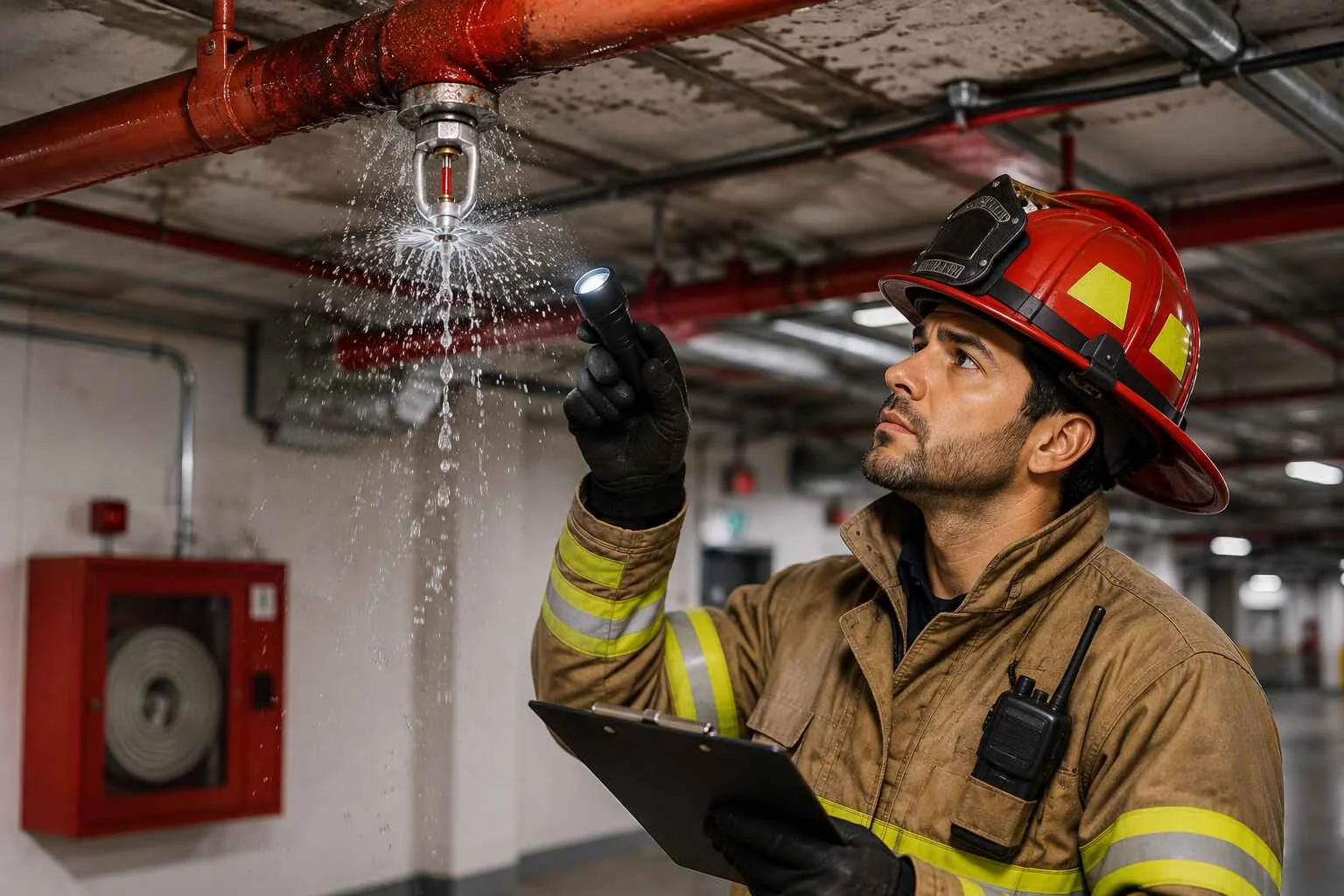
Ever wonder why a sprinkler system that's been sitting quietly for years suddenly doesn't work the one time it actually matters? It's a fair question, and honestly, a scary one for any business owner to sit with. A sprinkler system is supposed to be the thing that saves your building when everything else goes wrong. So when it fails, the reasons are rarely mysterious. They're usually small, boring, preventable issues that piled up while nobody was watching.
Think of a sprinkler system like the tires on a car sitting in a garage for years. They look fine from across the room. Get up close, though, and you might find dry rot, low pressure, or cracks that only show up under real load. Sprinkler pipes age the same way, quietly, out of sight, until the moment they're asked to perform.
Why a Sprinkler System Fails When You Need It Most
Sprinkler systems are built to be reliable for decades, but reliable doesn't mean maintenance-free. Every pipe, valve, gauge, and head is a mechanical part sitting inside walls and ceilings that most people never think about. Add in water sitting in pipes for years, seasonal temperature swings, and the occasional bump from a forklift or ladder, and you've got a system that needs eyes on it regularly. Our crews have opened up more than one system that looked fine on paper but had problems building for years underneath the surface.
The Most Common Causes of Fire Sprinkler System Failure
Closed or Blocked Valves
This one sounds almost too simple to be true, but it's one of the most frequent causes of failure we see in the field. A control valve gets closed during a plumbing repair and never reopened. A valve gets buried behind shelving during a warehouse reorganization. If water can't reach the sprinkler heads, none of the rest of the system matters. According to the National Fire Protection Association, valve issues remain a leading factor in sprinkler systems that fail to operate during an actual fire.
Corrosion and Internal Pipe Buildup
Water sitting inside metal pipe for years causes internal corrosion, especially in older wet-pipe systems or systems using untreated water. Rust and mineral scale build up along the inside of the pipe, slowly narrowing the path water needs to travel. From the outside, everything looks normal. Inside, the pipe might be a fraction of its original diameter, which is exactly why the 5-year internal inspection required under NFPA 25 exists in the first place.
Frozen or Damaged Pipes
Dry-pipe and pre-action systems are usually installed in unheated spaces like parking garages, attics, or loading docks specifically to avoid freeze damage, but improper installation or a heating system failure can still leave pipes exposed to freezing temperatures. A cracked pipe from a hard freeze might not show symptoms until the system actually needs to flow water.
Low or Inconsistent Water Pressure
Sprinkler systems are engineered around a specific pressure range. If municipal water pressure drops, if a fire pump isn't maintained, or if a pressure-reducing valve fails, the system might not deliver water fast enough or far enough to control a fire. Pressure problems are sneaky because they rarely announce themselves outside of a real test or an actual emergency.
Human Error and Neglect Play a Bigger Role Than You'd Think
Skipped or Rushed Inspections
A lot of failures trace back to inspections that got skipped, delayed, or rushed through without real attention. We've walked into buildings where paperwork showed a passing inspection, but the technician clearly never touched half the components on the checklist. That's not just a compliance issue, it's a safety gap disguised as a completed form.
Renovation and Construction Damage
Tenant improvements, ceiling work, and office remodels are one of the sneakiest causes of sprinkler failure. A contractor drills through a pipe, paints over a sprinkler head, or reroutes ductwork that ends up blocking spray coverage. None of it gets reported because nobody realizes it happened. This is exactly the kind of thing a scheduled commercial fire sprinkler inspection is designed to catch before it becomes a real problem.
Aging Equipment and Outdated Components
Sprinkler Heads Past Their Service Life
Sprinkler heads aren't meant to last forever. Standard heads have a recommended service life, and certain older models are specifically flagged for sample testing or replacement after decades of service. A head that's been painted, corroded, or simply worn past its rated lifespan can fail to activate at the right temperature, or fail to activate at all.
Obsolete or Recalled Parts
Manufacturers occasionally issue recalls on specific sprinkler head models found to have defects. Buildings running older systems sometimes have recalled components installed without anyone realizing it, since these heads look identical to properly functioning ones from a distance. Only a trained eye during a hands-on inspection tends to catch this.
How Regular Commercial Fire Sprinkler Inspection Prevents Failure
Here's the honest truth: almost every cause listed above gets caught during a properly performed commercial fire sprinkler inspection, long before it turns into an actual failure. Monthly gauge checks catch pressure problems early. Quarterly valve checks catch closed or blocked valves. Annual walkthroughs catch corrosion, damaged heads, and construction-related blockages. The 5-year internal inspection catches the stuff hiding inside the pipe that nobody can see from the outside. Consistent fire sprinkler services, not a one-time fix, are what actually keep a system dependable year after year.
Our technicians treat every visit as a chance to catch a small issue before it becomes an expensive, dangerous one. We've replaced painted-over heads found tucked behind a dropped ceiling, cleared valves buried under stacked pallets, and flagged pressure drops that traced back to a fire pump nobody had serviced in years. None of those problems were dramatic when we found them. Left alone, every single one of them would have mattered on the worst possible day.
What to Do If You Suspect a Problem With Your System
If a gauge looks off, a valve seems hard to turn, or you notice water stains near a ceiling that shouldn't be there, don't wait for the next scheduled visit. Call a licensed contractor and get eyes on it. Reliable fire sprinkler services should include clear communication about what's found and what it means for your building, not just a quiet fix and an invoice. Pairing sprinkler upkeep with routine fire alarm testing closes even more gaps, since the two systems are almost always wired together.
Conclusion
Fire sprinkler failures almost never happen out of nowhere. They build slowly, through a closed valve nobody reopened, a pipe quietly corroding for years, or an inspection that got rushed through without real attention. The good news is that nearly every cause on this list is preventable with consistent attention and a licensed team that actually knows what to look for. Staying ahead of commercial fire sprinkler inspection requirements isn't about paperwork, it's about making sure the system does its one job correctly on the day it matters. Our crews at Raptor Fire Protection have spent years finding these small problems before they become big ones, and that habit is worth building into every commercial building across the Bay Area.
FAQs
1. What is the most common cause of fire sprinkler system failure?
Closed or blocked control valves are among the most frequent causes, since water simply can't reach the sprinkler heads if a valve was shut during repairs or renovations and never reopened.
2. Can a fire sprinkler system fail even if it looks fine from the outside?
Yes. Internal corrosion, pipe scale, and worn components often show no outward signs. That's exactly why the 5-year internal inspection required under NFPA 25 exists, to catch problems hidden inside the piping.
3. How often should a commercial building schedule a commercial fire sprinkler inspection?
NFPA 25 calls for monthly, quarterly, and annual checks depending on the component, plus a deeper internal inspection every five years. Local fire codes may add requirements on top of that baseline.
4. Does cold weather really cause sprinkler pipes to fail?
It can. Dry-pipe and pre-action systems are designed to avoid freeze damage, but improper installation or a failed heating system in an unheated space can still leave pipes vulnerable to cracking.
5. Should sprinkler upkeep be paired with fire alarm testing?
Generally yes. Sprinkler flow switches usually connect directly to the alarm panel, so scheduling fire sprinkler services alongside alarm testing helps catch gaps that either system alone might miss.