Sign up with Google
 Sign in with Zoho


Performance has become a critical factor in software success. Users expect applications to load quickly, respond instantly, and remain available even during periods of heavy traffic. A slow website, unresponsive API, or overloaded application can result in lost revenue, poor user experiences, and damage to a company's reputation.
As organizations embrace DevOps practices and continuous delivery, performance testing has become an essential part of the software development lifecycle. One of the most effective ways to evaluate application performance is through load testing.
Load testing helps teams understand how systems behave under expected and peak workloads. By simulating thousands of concurrent users, requests, or transactions, developers can identify bottlenecks before they affect real customers.
Fortunately, there are numerous open-source and commercial load testing tools available today. These tools enable teams to measure application performance, optimize infrastructure, and confidently deploy scalable software.
In this guide, we'll explore what load testing is, why it matters, and the top load testing tools that DevOps teams should consider.
What Are Load Testing Tools?
Load testing tools are software solutions designed to simulate user traffic and evaluate how applications perform under varying levels of demand.
These tools generate requests that mimic real-world user behavior, helping teams measure key performance metrics such as:
- Response time
- Throughput
- Error rates
- CPU utilization
- Memory consumption
- Database performance
- Network latency
The primary goal is to determine whether an application can handle expected traffic volumes while maintaining acceptable performance levels.
Why Load Testing Matters
Many organizations only discover performance issues after users start experiencing them. By that point, the damage may already be done.
Load testing helps prevent these situations by uncovering performance problems before deployment.
Benefits of Load Testing
Improved User Experience
Fast and reliable applications create better user experiences and increase customer satisfaction.
Better Scalability Planning
Teams can determine infrastructure requirements and plan for future growth.
Reduced Downtime
Identifying bottlenecks early minimizes the risk of outages during traffic spikes.
Increased Release Confidence
Developers gain confidence that new features won't negatively impact performance.
Cost Optimization
Load testing helps teams allocate resources efficiently and avoid overprovisioning.
Key Features to Look for in Load Testing Tools
Not all load testing tools are created equal. When evaluating solutions, consider the following capabilities:
Ease of Use
The tool should allow teams to quickly create, execute, and analyze tests.
Scalability
The platform should support simulations involving thousands or even millions of users.
CI/CD Integration
Modern DevOps workflows require seamless integration with continuous integration pipelines.
Real-Time Monitoring
Performance metrics should be available during test execution.
Protocol Support
Look for support for:
- HTTP/HTTPS
- WebSockets
- GraphQL
- gRPC
- APIs
- Databases
Reporting and Analytics
Detailed reports help teams identify performance bottlenecks efficiently.
Top Load Testing Tools
1. Apache JMeter
Apache JMeter is one of the most widely used open-source load testing tools.
Initially designed for web applications, it now supports testing across multiple protocols and services.
Key Features
- Open source
- Extensive plugin ecosystem
- Distributed testing support
- Comprehensive reporting
- Large community
Best For
Organizations looking for a mature and highly customizable testing solution.
2. k6
k6 has become increasingly popular among modern DevOps teams.
Unlike traditional GUI-based tools, k6 uses JavaScript for test scripting, making it highly developer-friendly.
Key Features
- Code-based test definitions
- CI/CD integration
- Cloud and local execution
- Modern architecture
- Developer-focused workflows
Best For
Teams practicing Infrastructure as Code and DevOps automation.
3. Gatling
Gatling is a high-performance load testing framework known for its efficiency and scalability.
Its Scala-based scripting model enables powerful and flexible test creation.
Key Features
- High concurrency support
- Detailed reports
- Efficient resource usage
- Automation-friendly
Best For
Large-scale performance testing environments.
4. Locust
Locust is an open-source load testing tool built using Python.
Its simple coding approach makes it attractive for developers already familiar with Python.
Key Features
- Python-based scripts
- Distributed load generation
- Easy customization
- Lightweight architecture
Best For
Development teams that prefer Python-based testing workflows.
5. Artillery
Artillery is a modern load testing framework designed for APIs and cloud-native applications.
It is particularly effective for testing microservices and serverless architectures.
Key Features
- YAML-based configuration
- API testing support
- WebSocket testing
- Cloud compatibility
Best For
Microservices and API-driven applications.
6. Taurus
Taurus simplifies performance testing by acting as an automation layer for tools like JMeter and Gatling.
Key Features
- Simple YAML configuration
- CI/CD integration
- Multi-tool support
- Faster test setup
Best For
Teams seeking simplified load testing automation.
7. Vegeta
Vegeta is a lightweight HTTP load testing tool designed for simplicity and speed.
Key Features
- Command-line interface
- Minimal setup
- Efficient execution
- High performance
Best For
Quick API performance testing.
Load Testing in DevOps Pipelines
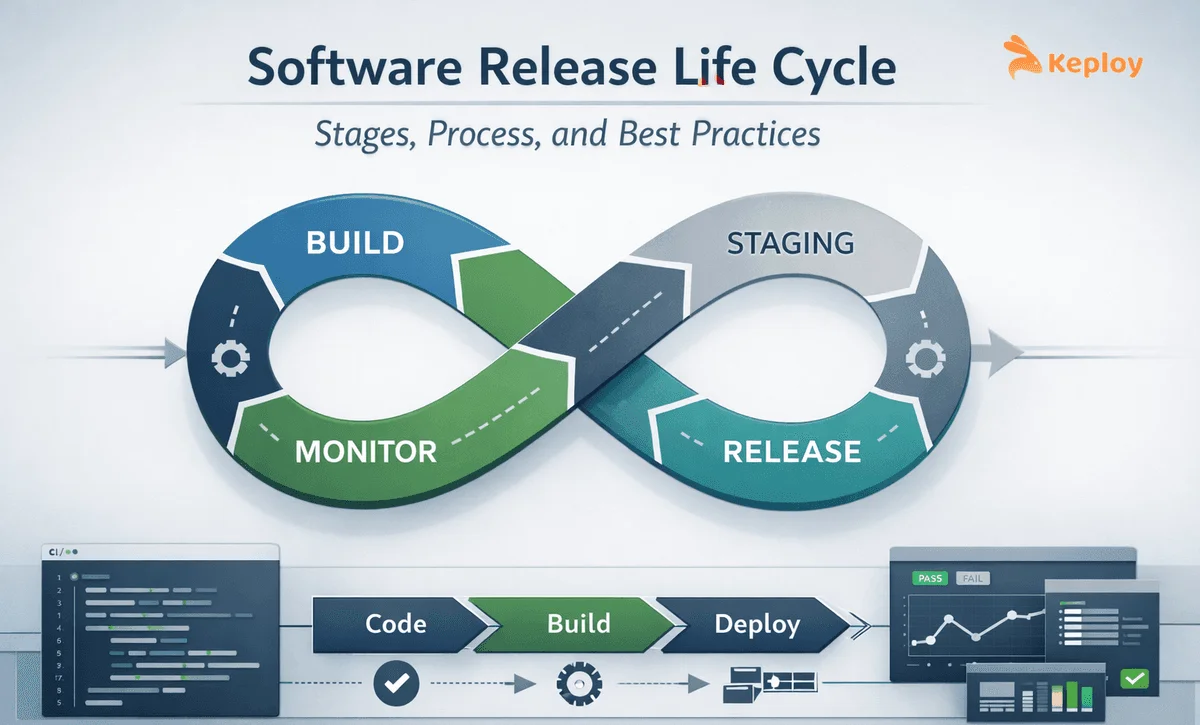
Modern DevOps practices emphasize continuous testing.
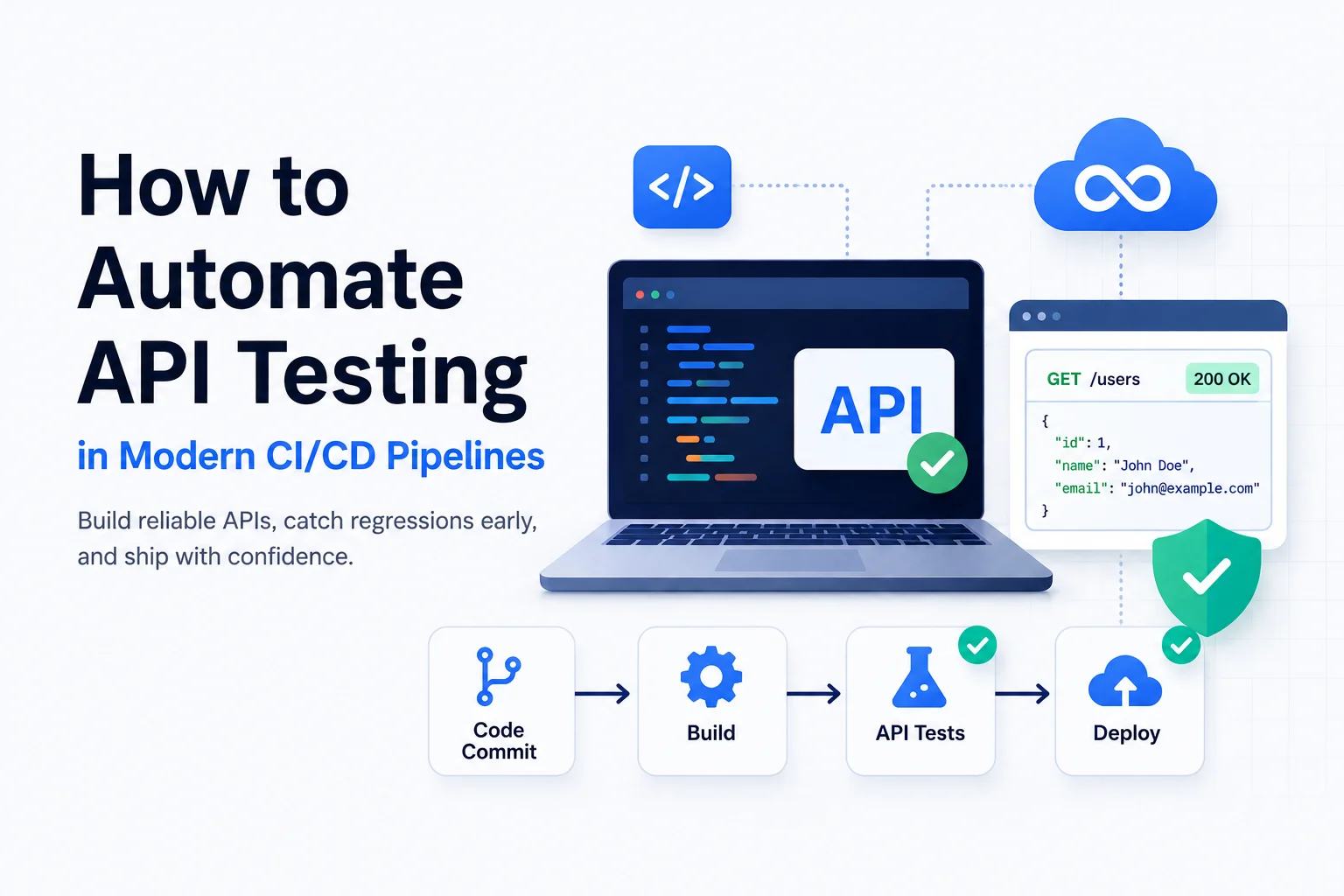
Instead of performing load tests only before major releases, organizations increasingly integrate performance testing into CI/CD pipelines.
A typical workflow includes:
- Code commit
- Automated build
- Unit testing
- Integration testing
- Load testing
- Deployment
This approach helps teams detect performance regressions early and maintain consistent application quality.
Common Load Testing Scenarios
Website Traffic Testing
Simulating user visits to evaluate web application performance.
API Load Testing
Testing REST, GraphQL, or gRPC endpoints under heavy traffic.
Database Stress Testing
Measuring database performance under high transaction volumes.
E-commerce Event Simulation
Preparing systems for major shopping events such as Black Friday sales.
Mobile Application Backend Testing
Validating backend infrastructure supporting mobile applications.
Challenges in Load Testing
While load testing provides significant benefits, teams often face several challenges.
Realistic Test Data
Generating accurate traffic patterns can be difficult.
Environment Differences
Testing environments may not perfectly replicate production systems.
Resource Costs
Large-scale testing can require significant infrastructure resources.
Test Maintenance
Performance tests must evolve alongside application changes.
Addressing these challenges requires proper planning and automation.
How Keploy Helps Improve Testing Workflows
Performance testing works best when combined with strong functional and integration testing practices.
Keploy helps development teams automate API testing by capturing real application traffic and converting it into reusable test cases. This enables developers to validate application behavior quickly and confidently before conducting performance testing.
By automating test generation and reducing manual effort, Keploy helps teams build more reliable software and accelerate release cycles.
To learn more about open-source load testing tools and DevOps testing strategies, visit:
Open-Source Load Testing Tools for DevOps
Conclusion
As applications continue to grow in complexity and scale, load testing has become a fundamental requirement for modern software development. Organizations that invest in load testing tools can identify performance bottlenecks, improve user experiences, reduce downtime, and deploy with greater confidence.
Whether you're testing APIs, web applications, microservices, or cloud-native platforms, choosing the right load testing tool can significantly improve your ability to deliver reliable software at scale.
Tools such as Apache JMeter, k6, Gatling, Locust, Artillery, Taurus, and Vegeta each offer unique strengths for different testing scenarios. By integrating load testing into DevOps workflows and embracing continuous performance validation, teams can ensure their applications remain fast, scalable, and resilient under real-world conditions.