Sign up with Google
 Sign in with Zoho


Shipping software quickly has become a necessity rather than a competitive advantage. Whether you're building a SaaS platform, an e-commerce application, or a cloud-native service, users expect frequent updates without downtime or unexpected bugs. The challenge for engineering teams is delivering software at high speed while maintaining consistent quality.
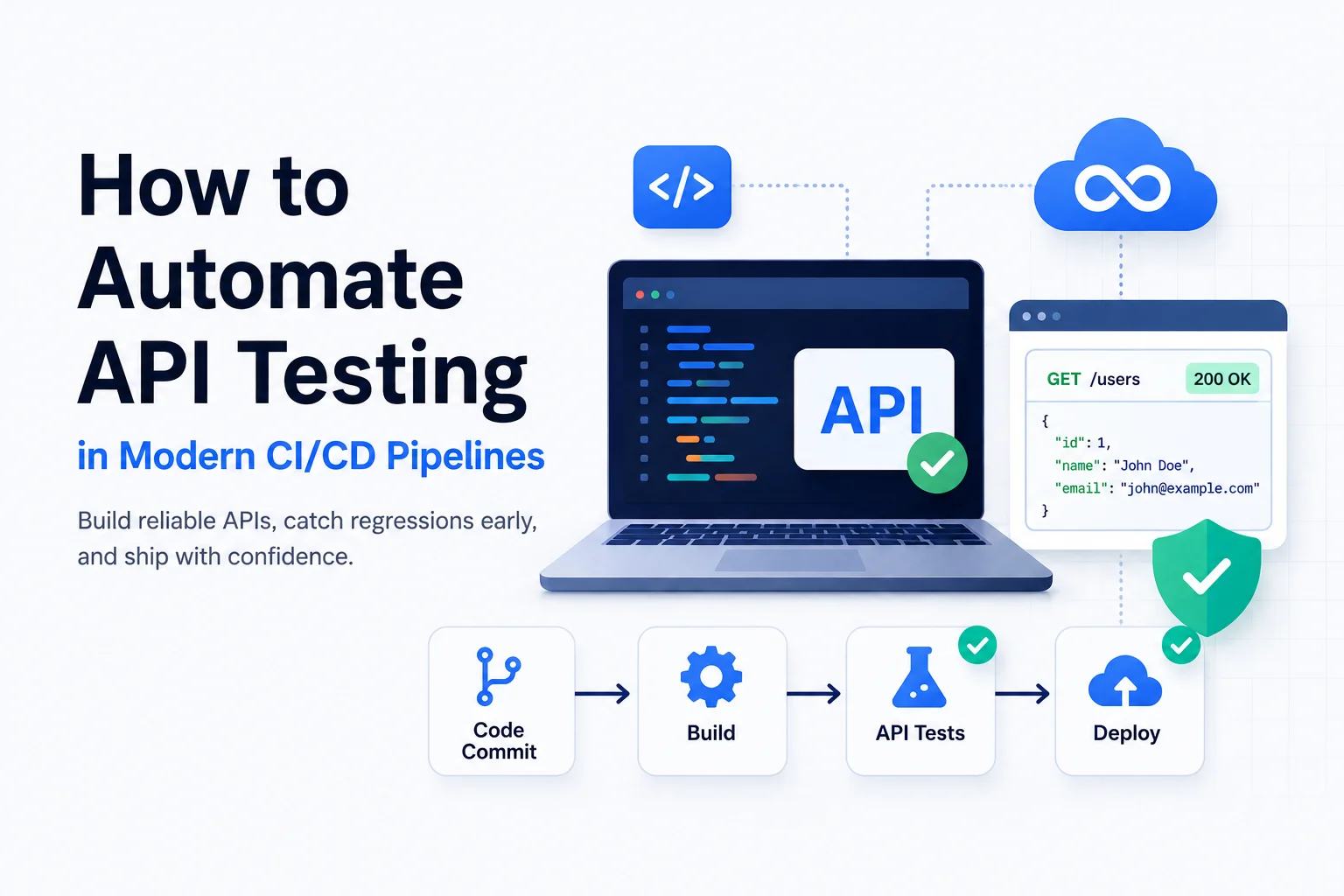
This is why CI CD testing has become a cornerstone of modern DevOps. Instead of treating testing as a separate phase, successful teams integrate automated quality checks directly into their Continuous Integration and Continuous Delivery pipelines. Every code change is verified before deployment, reducing risk and helping teams ship software with confidence.
The Evolution of Software Testing
Software testing has changed significantly over the years. Traditional release cycles relied heavily on manual validation, where quality assurance teams tested completed features before approving production releases.
Today, that approach no longer scales.
Development teams often merge dozens of pull requests every day. Cloud-native applications, microservices, and agile development require continuous delivery, making manual testing alone insufficient.
Automated testing has become the foundation of reliable software delivery because it keeps pace with modern development workflows.
Understanding Continuous Quality
Continuous quality means validating software throughout the development lifecycle instead of waiting until development is finished.
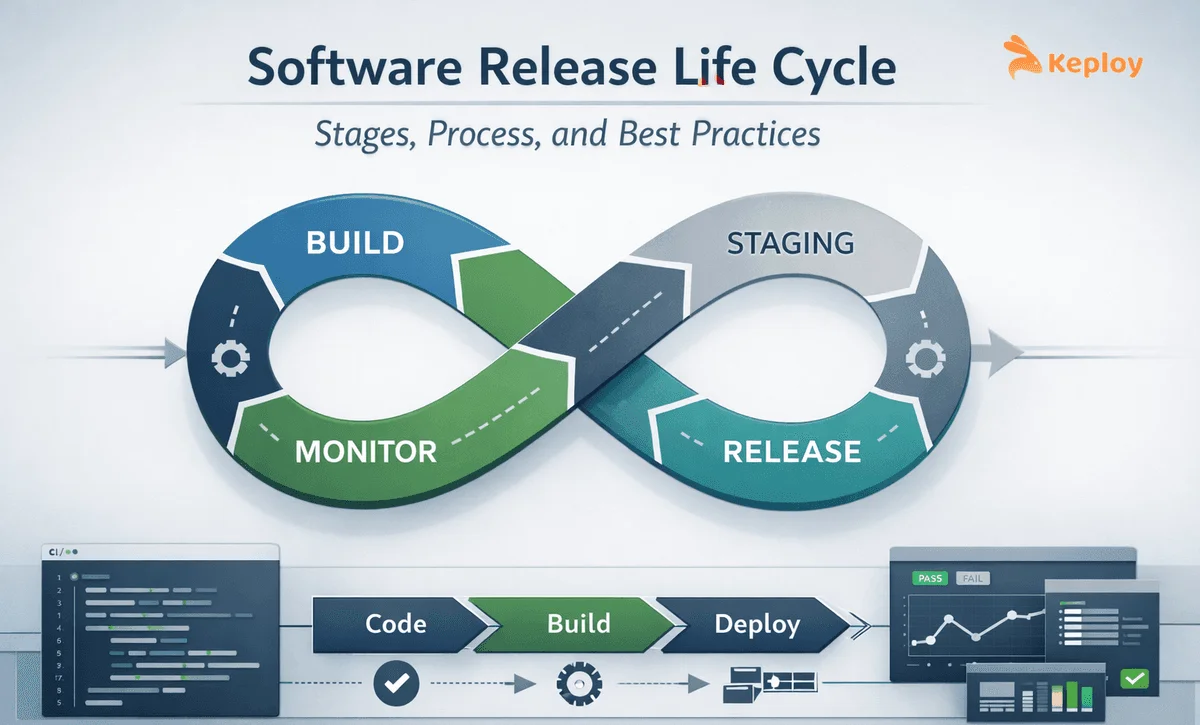
Whenever developers commit new code, an automated pipeline performs several quality checks before deployment. If any test fails, the release process stops automatically, preventing unstable software from reaching production.
This approach creates a continuous feedback loop that helps developers detect problems early and maintain a healthy codebase.
Essential Testing Stages
Build Verification
The first step ensures the application compiles successfully and all required dependencies are available.
Unit Testing
Unit tests validate individual methods, functions, or classes independently. Because they execute quickly, they provide immediate feedback after every commit.
Integration Testing
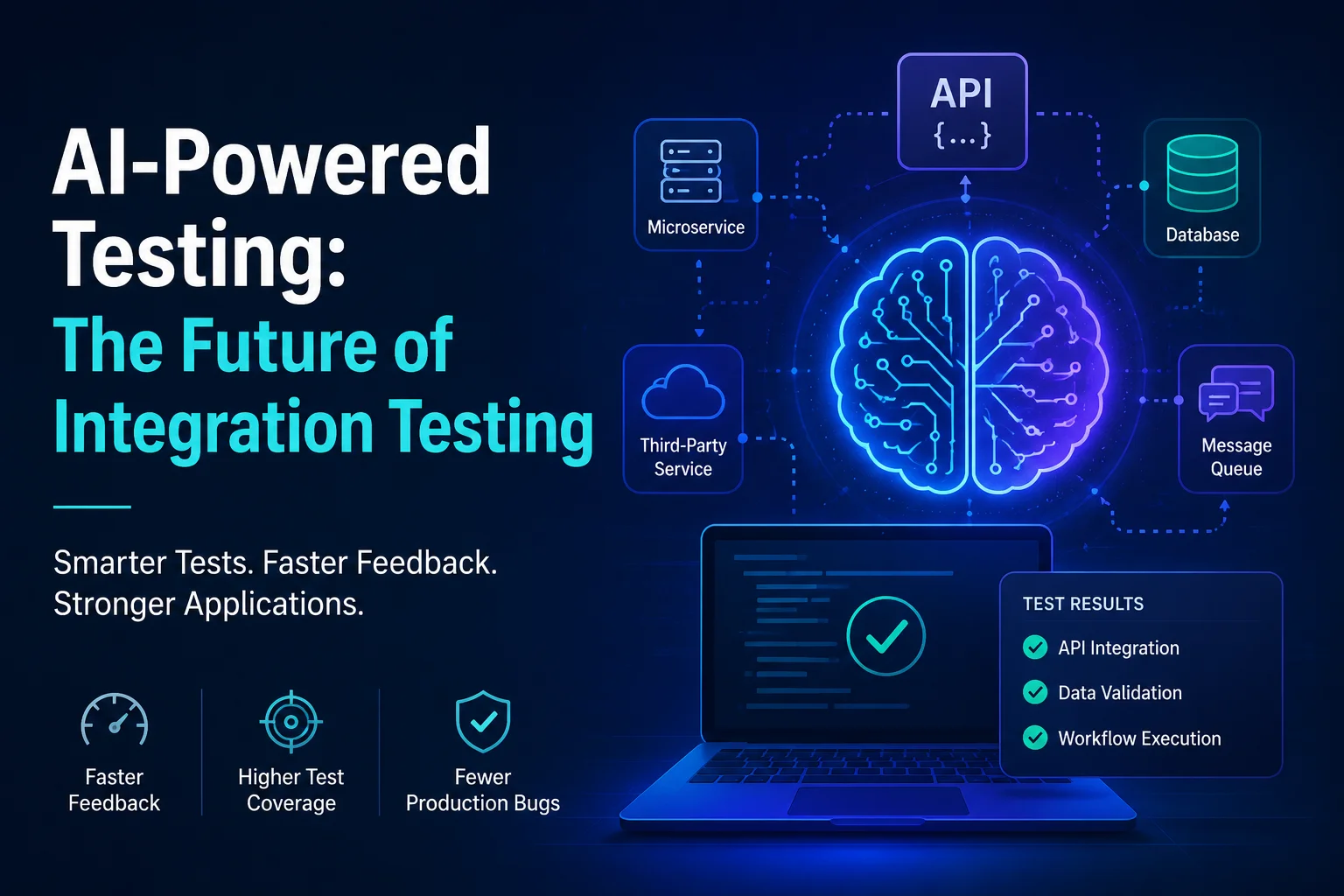
Applications rarely operate in isolation. Integration tests verify communication between APIs, databases, queues, cloud services, and third-party systems.
API Testing
Modern software depends heavily on APIs. Automated API testing validates authentication, request handling, response formats, business logic, and error handling across services.
End-to-End Testing
These tests simulate complete user interactions to ensure entire business workflows function correctly from beginning to end.
Performance and Security Validation
Before production deployment, automated pipelines can evaluate response times, scalability, dependency vulnerabilities, and security configurations to reduce operational risks.
Why Engineering Leaders Invest in CI/CD Testing
Faster Releases
Automation reduces manual verification, allowing development teams to deploy new features more frequently.
Higher Release Confidence
Every deployment passes through multiple automated quality gates, reducing uncertainty before production.
Better Collaboration
Developers, testers, DevOps engineers, and platform teams all contribute to a shared quality process rather than working in isolated phases.
Lower Operational Risk
Finding bugs during development is significantly less expensive than resolving incidents after production deployment.
Improved Customer Satisfaction
Stable software creates better user experiences, fewer outages, and greater customer trust.
Simplifying API Testing with Keploy
API testing often becomes one of the most time-consuming aspects of maintaining automated pipelines. As applications evolve, writing and updating test cases manually requires significant engineering effort.
Keploy addresses this challenge by automatically generating API test cases and mocks from real application traffic. Instead of creating every test manually, developers can record actual API interactions and replay them during CI/CD execution.
This approach helps reduce maintenance overhead while improving confidence in backend services, especially for teams building microservices and distributed applications.
Common Challenges
Even mature engineering organizations encounter obstacles while scaling automated testing.
Some of the most common include:
- Flaky tests producing inconsistent results
- Long pipeline execution times
- Outdated regression suites
- Inconsistent testing environments
- Poor management of test data
- Limited automation coverage
Regular maintenance and pipeline optimization help address these challenges before they affect development speed.
Best Practices
Organizations with efficient DevOps pipelines generally follow these recommendations:
- Trigger automated testing for every pull request.
- Execute fast unit tests before slower validation stages.
- Keep testing environments as close to production as possible.
- Automate regression testing for every release.
- Monitor pipeline health continuously.
- Eliminate unstable tests promptly.
- Include API, security, and performance testing where appropriate.
- Continuously improve automation based on production learnings.
These practices help engineering teams maintain both agility and software reliability.
Looking Ahead
Artificial intelligence is changing how software testing is performed. Intelligent test generation, predictive regression analysis, self-healing automation, and risk-based testing are becoming valuable additions to modern DevOps pipelines.
As software systems become more distributed and release cycles continue to accelerate, automated testing will remain one of the most important investments engineering organizations can make.
Conclusion
Reliable software delivery requires more than automated deployments—it requires continuous confidence in every code change. CI/CD testing provides that confidence by validating applications throughout the development lifecycle instead of only before release.
By combining unit, integration, API, performance, and security testing within automated pipelines, organizations can reduce deployment failures, improve software quality, and release updates faster without sacrificing stability.
Whether you're building enterprise software, cloud-native platforms, or API-first applications, adopting a comprehensive CI/CD testing strategy is essential for long-term engineering success.