Sign up with Google
 Sign in with Zoho

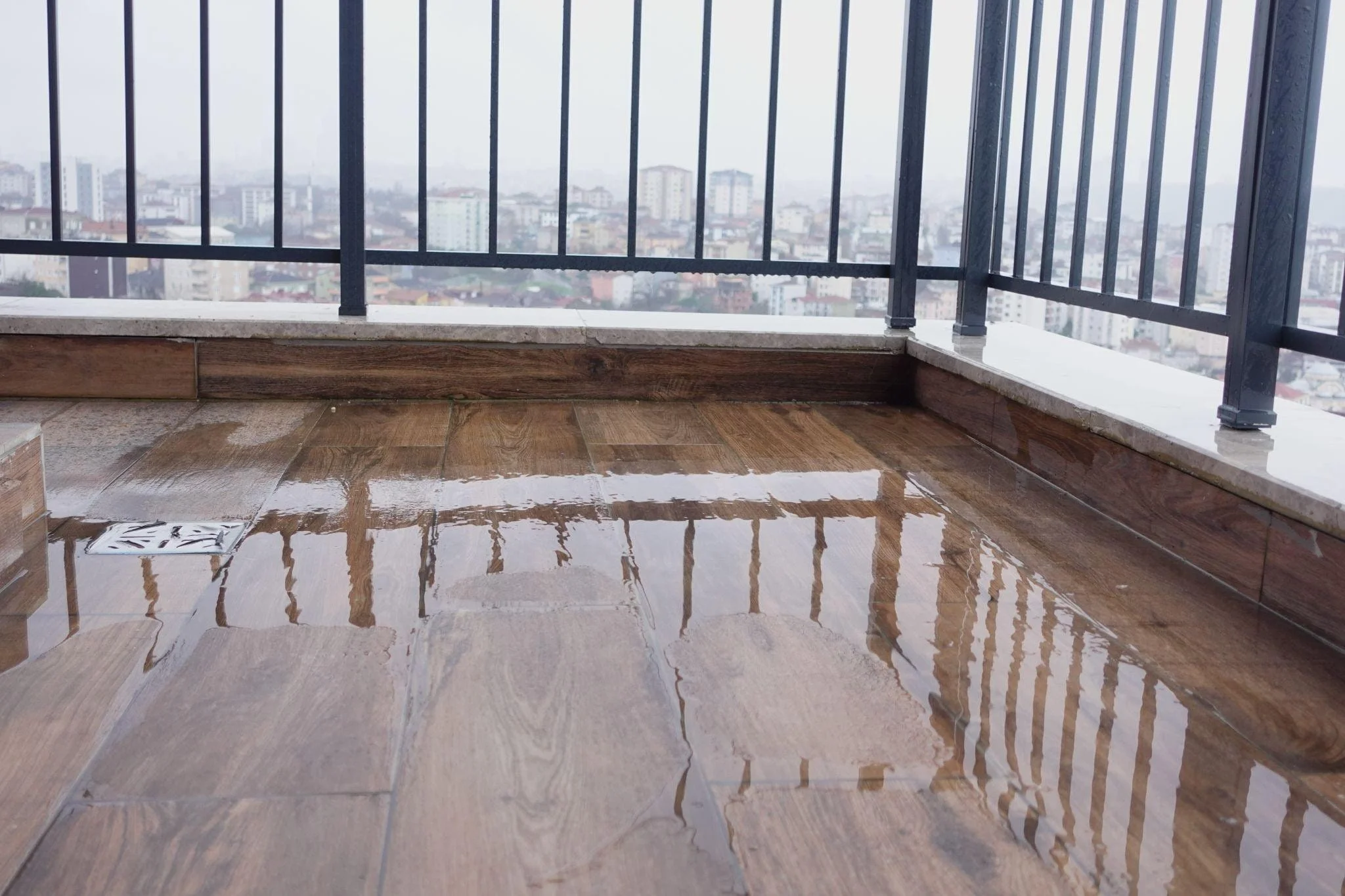
A few cracks in the grout between your balcony tiles might not seem like a serious problem. You may notice them while sweeping the floor or washing down the outdoor area, but if the tiles still look good, it is easy to put repairs off. Months later, damp patches appear on the ceiling below or moisture starts affecting the adjoining walls.
What began as a minor grout issue could be contributing to a much larger moisture problem. Balconies are constantly exposed to rain, sunlight, temperature changes and everyday foot traffic. Over time, these conditions can affect the grout and other protective components.
Understanding the relationship between damaged grout and balcony leaks can help homeowners recognise problems earlier and make better decisions about repairs.
Why Balcony Grout Deteriorates Over Time
Unlike indoor tiled surfaces, balconies experience considerable changes in temperature and moisture throughout the year. Tiles and surrounding building materials expand during hot weather and contract as temperatures drop. Repeated movement can place stress on grout joints, eventually causing cracks or separation.
Rainwater, accumulated dirt and harsh cleaning products can also contribute to grout deterioration. Older cement-based grout may gradually become porous, brittle or crumbly, particularly in areas frequently exposed to moisture.
Even a balcony that receives little foot traffic can develop grout problems simply through years of exposure to Melbourne's changing weather conditions.
How Damaged Grout Allows Water Beneath Tiles
When grout begins to crack or break away, rainwater can enter the gaps between tiles more easily. Although the underlying waterproofing membrane is designed to protect the building structure, damaged grout can increase the amount of moisture reaching the layers beneath the tiled surface.
Water may collect within the tile bedding or travel towards vulnerable areas around walls, doorways and drainage outlets. If the waterproofing system has also deteriorated, moisture can penetrate further into the building.
This is why homeowners researching balcony waterproofing Melbourne services should have both the tiled surface and underlying waterproofing condition considered. Replacing damaged grout alone may not resolve a leak caused by membrane failure.
Why Balcony Leaks Are Not Always Immediately Visible
One of the most frustrating things about balcony leaks is that the visible damage does not always appear near the source of water penetration.
Water can travel beneath tiles and through small gaps before emerging elsewhere. You might notice discolouration on a downstairs ceiling even though the damaged grout is located near the opposite end of the balcony.
Some homeowners only experience leaks after several days of heavy rainfall. During lighter showers, moisture may not accumulate sufficiently to produce visible signs indoors. This delayed appearance can make it difficult to identify the source without a thorough inspection.
Warning Signs Your Balcony Grout Needs Attention
Grout deterioration often develops gradually, making it easy to overlook during everyday use. Small cracks, missing sections and powdery grout are common signs that the tiled surface needs attention.
You might also notice white, chalky deposits forming along grout lines. Known as efflorescence, these deposits can occur when moisture carries dissolved salts to the surface as it evaporates.
Persistent dampness, loose tiles and peeling paint on nearby walls may indicate a more extensive moisture issue. These symptoms deserve investigation rather than being treated as purely cosmetic concerns.
The Role of Damaged Silicone and Movement Joints
Grout is not the only material that can deteriorate on a balcony. Flexible seals around perimeter joints, wall junctions and door thresholds also play an important role in managing moisture and accommodating movement.
As these seals age, they may shrink, split or pull away from adjoining surfaces. Water can then enter through gaps that might be difficult to notice without looking closely.
Simply replacing the grout while leaving deteriorated seals untouched may allow moisture problems to continue. A proper balcony assessment should consider the condition of both grout and flexible joints.
Can Regrouting Help Stop a Balcony Leak?
Professional regrouting can help address moisture entry associated with deteriorated grout joints. The process generally involves removing damaged grout, preparing the joints and applying a suitable replacement material.
Depending on the balcony's condition, epoxy grout may be considered because of its low water absorption and durability. However, the choice of grout should reflect the existing tiles, joint conditions and overall balcony construction.
Regrouting is not a substitute for repairing a failed waterproofing membrane. Identifying the actual source of the leak is essential before deciding whether surface repairs are sufficient or more extensive work is required.
Why Drainage Matters Just as Much as Grout
Have you ever noticed puddles remaining on your balcony long after the rain has stopped? Poor drainage can leave grout joints exposed to moisture for extended periods, increasing the likelihood of water entering beneath the tiles.
Blocked outlets, inadequate surface falls and accumulated debris can all contribute to standing water. Even newly repaired grout may face ongoing moisture exposure if drainage problems remain unresolved.
Keeping drainage outlets clear and investigating persistent pooling can help protect the balcony. Where inadequate falls are responsible, further corrective work may be necessary.
When Should You Arrange Professional Balcony Regrouting?
Waiting until water starts dripping through the ceiling below can make repairs more complicated and costly. Addressing deteriorated grout while the problem is still relatively minor may help limit further moisture penetration.
When comparing professional services for grouting Melbourne homeowners should look for a provider who assesses the balcony before recommending repairs. The inspection should consider grout condition, tile stability, perimeter seals, drainage and possible waterproofing defects.
Understanding what is causing the problem gives you a clearer idea of the work required and helps avoid spending money on repairs that only address visible symptoms.
Conclusion
Damaged grout may look like a minor maintenance issue, but its condition can influence how much moisture enters beneath balcony tiles. When combined with deteriorated seals, poor drainage or compromised waterproofing, small gaps can contribute to significant water damage.
Regularly checking grout joints and addressing early signs of deterioration can help protect your balcony and surrounding living spaces. If you notice recurring dampness, cracked grout or unexplained water stains, arranging a professional assessment is a sensible next step. Identifying the source early can help prevent a manageable repair from becoming a much larger renovation project.