Sign up with Google
 Sign in with Zoho
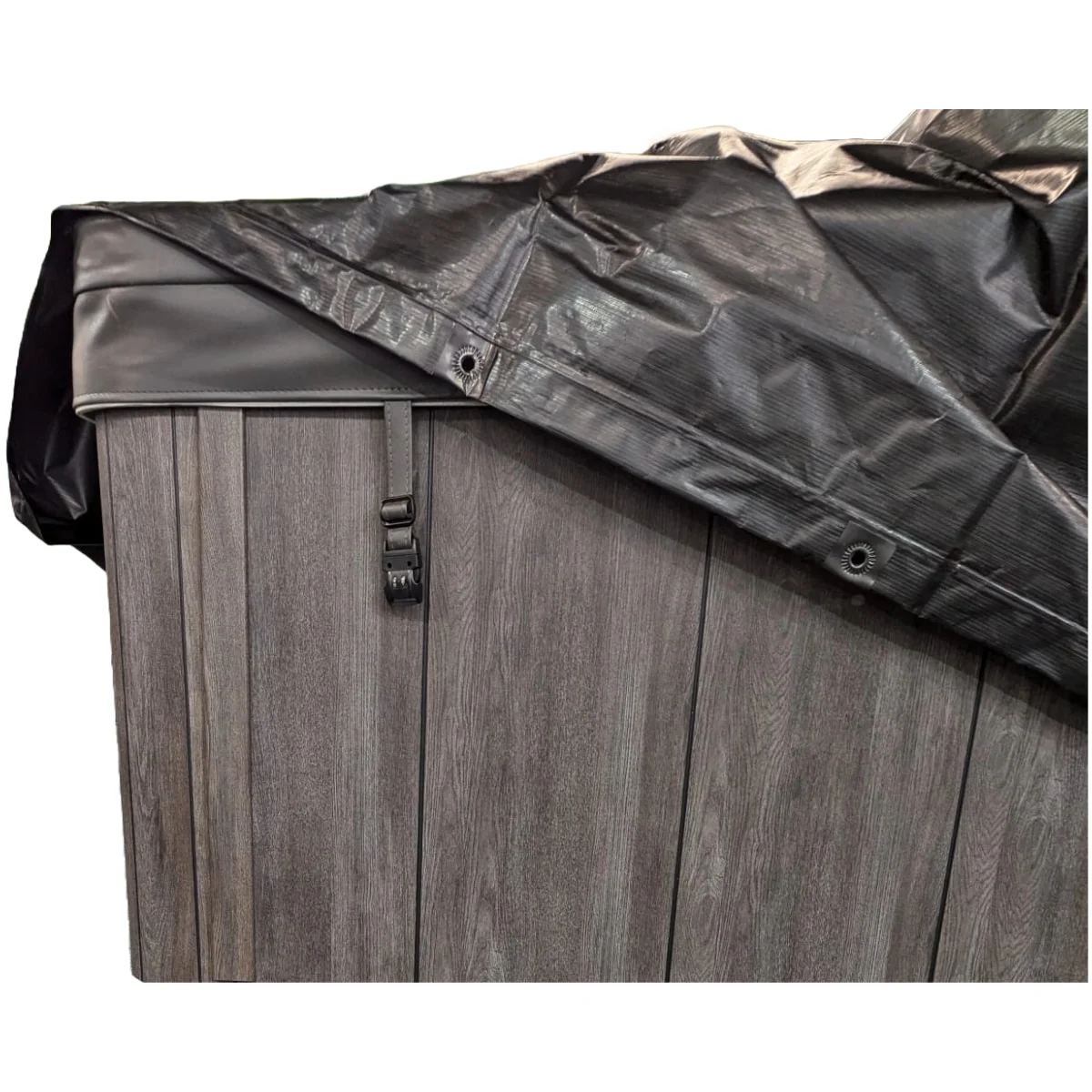
When you are buying a cover for outdoor furniture, a spa, camping equipment or gear stored outside, the words "waterproof" and "water-resistant" can sound almost interchangeable. Both suggest some level of protection from wet weather, but they do not necessarily mean the same thing. Understanding the difference can help you choose a cover that suits where and how you actually plan to use it.
Australian outdoor conditions can also be unpredictable. A cover may spend days dealing with strong sunlight before suddenly being exposed to heavy rain and wind. Rather than choosing a product based on one label alone, it is worth looking at the material, construction, fit and expected level of exposure before deciding what protection you need.
What Does Water-Resistant Actually Mean?
A water-resistant material is generally designed to resist some moisture rather than provide complete protection against prolonged exposure to water. Light rain or occasional splashes may bead or run off the surface, giving you time to move the covered item or wait for a brief shower to pass.
That can be perfectly suitable in the right situation. Outdoor furniture positioned beneath a verandah, for example, may only need protection from wind-blown rain or occasional moisture. The important point is recognising that water resistance should not automatically be treated as protection against hours of heavy rainfall.
How Is Waterproof Different?
Waterproof products are intended to provide a stronger barrier against water penetration. For outdoor use, this can be valuable when the item being protected is fully exposed to rain rather than sitting beneath a roof or sheltered area. A waterproof material can therefore make sense for equipment that cannot easily be moved whenever the weather changes.
However, the material itself is only one part of the story. Water can potentially enter around seams, zips, openings and fastening points depending on how a cover is constructed. A product made from waterproof material may not perform as expected if its overall design allows water to reach the item underneath.
Think About Where the Cover Will Be Used
Before choosing between waterproof and water-resistant protection, look at the actual location. A barbecue under a covered patio experiences very different conditions from a spa sitting in an open backyard. Similarly, a tarp used beneath an awning has a different job from one being relied upon during a wet camping weekend.
Consider how much rain the item is likely to receive, whether wind can drive water underneath the cover and how long it may remain exposed. If something stays outdoors every day throughout the year, stronger weather protection may be worthwhile. Occasional outdoor use may call for a different balance between protection, weight and convenience.
Fit Matters More Than Many People Expect
A high-quality material cannot compensate for a cover that fits poorly. If a cover is too loose, strong wind may lift it or push rain underneath the edges. If it is too small, parts of the item may remain exposed and the material can be placed under unnecessary tension.
This is particularly relevant for people comparing spa covers Melbourne options. Spa dimensions, shape and fastening requirements should be considered alongside weather protection. A well-fitted cover is easier to secure and provides more consistent coverage than one selected simply because its general dimensions appear close enough.
Do Not Ignore the Seams and Stitching
When comparing outdoor covers, people naturally focus on the main surface material. Seams deserve just as much attention because they are areas where separate pieces of material join together. Depending on the construction method, these points may behave differently under prolonged exposure to rain.
Look at the overall workmanship rather than relying entirely on a waterproof claim printed on the packaging. Check how corners, joins and fastening areas have been constructed. For an item that will remain outside through changing conditions, these details can influence how effectively the complete cover performs over time.
Waterproof Does Not Automatically Mean Better for Every Job
It is easy to assume that the highest possible level of water protection must always be the best option. In reality, the intended use matters more. A lightweight water-resistant cover may be easier to handle for something that is used daily and kept in a mostly sheltered location.
The same thinking applies when choosing a camping tarp. A tarp used as additional ground protection has different requirements from one intended to provide overhead shelter in wet conditions. Size, weight, strength, attachment points and ease of packing can be just as important as its ability to deal with water.
Ventilation Can Be Important Too
Keeping rain out is important, but outdoor protection also needs to consider what happens underneath the cover. If moisture is already present when an item is covered, or condensation develops underneath certain conditions, that moisture may remain trapped instead of disappearing quickly.
For this reason, equipment should generally be clean and dry before being covered for longer periods. Depending on the item and cover design, airflow may also be worth considering. Simply creating the strongest possible barrier does not remove the need to manage existing moisture sensibly.
Sun Exposure Can Be Just as Demanding as Rain
Australian outdoor covers often spend far more time sitting in sunlight than being exposed to rain. Long periods outdoors can gradually affect some materials, particularly when they remain in direct sun day after day. This means water protection should not be the only feature considered when choosing a long-term outdoor cover.
Think about the complete environment in which the cover will be used. A spa cover may face sun, rain and changing temperatures throughout the year, while camping equipment may be used only several weekends each season. Choosing according to actual exposure usually makes more sense than focusing on one feature in isolation.
Wind Changes How a Cover Performs
Even a waterproof cover will not provide much protection if it blows away during the first strong gust. Fastening systems, straps, eyelets and tie-down points can therefore be important, particularly for larger covers and tarps used in exposed locations.
Before buying, consider how the cover will remain secured when conditions change. For camping, check whether your tarp has suitable attachment points for the way you intend to set it up. Around the home, make sure covers can be secured without creating unnecessary strain on the material or fastening points.
Match the Protection to What You Are Covering
Not every outdoor item carries the same risk if it gets wet. Garden supplies temporarily stored outside may need simple short-term protection, while furniture, spa equipment or camping gear may justify a more considered approach. The value of the item and difficulty of replacing it should influence how much protection you choose.
It also helps to think about how often the cover will be removed. Something used every evening needs a cover that is convenient to handle, while equipment stored for several months may benefit from a more secure setup. Practicality matters because even an excellent cover provides little value when it becomes too inconvenient to use regularly.
Look Beyond the Label Before Buying
"Waterproof" and "water-resistant" are useful starting points, but they should not make the entire decision for you. Consider the material, seams, fit, fastening system, expected rainfall, wind exposure and how frequently the covered item will be used. Those factors provide a much clearer picture of whether a cover suits its intended purpose.
For Australian households and campers, the best choice is usually the one matched to real conditions rather than the strongest claim on the label. Whether you are protecting a spa through changing Melbourne weather or packing a tarp for the next camping trip, choosing according to the actual job can provide more practical protection when the weather refuses to cooperate.