Sign up with Google
 Sign in with Zoho

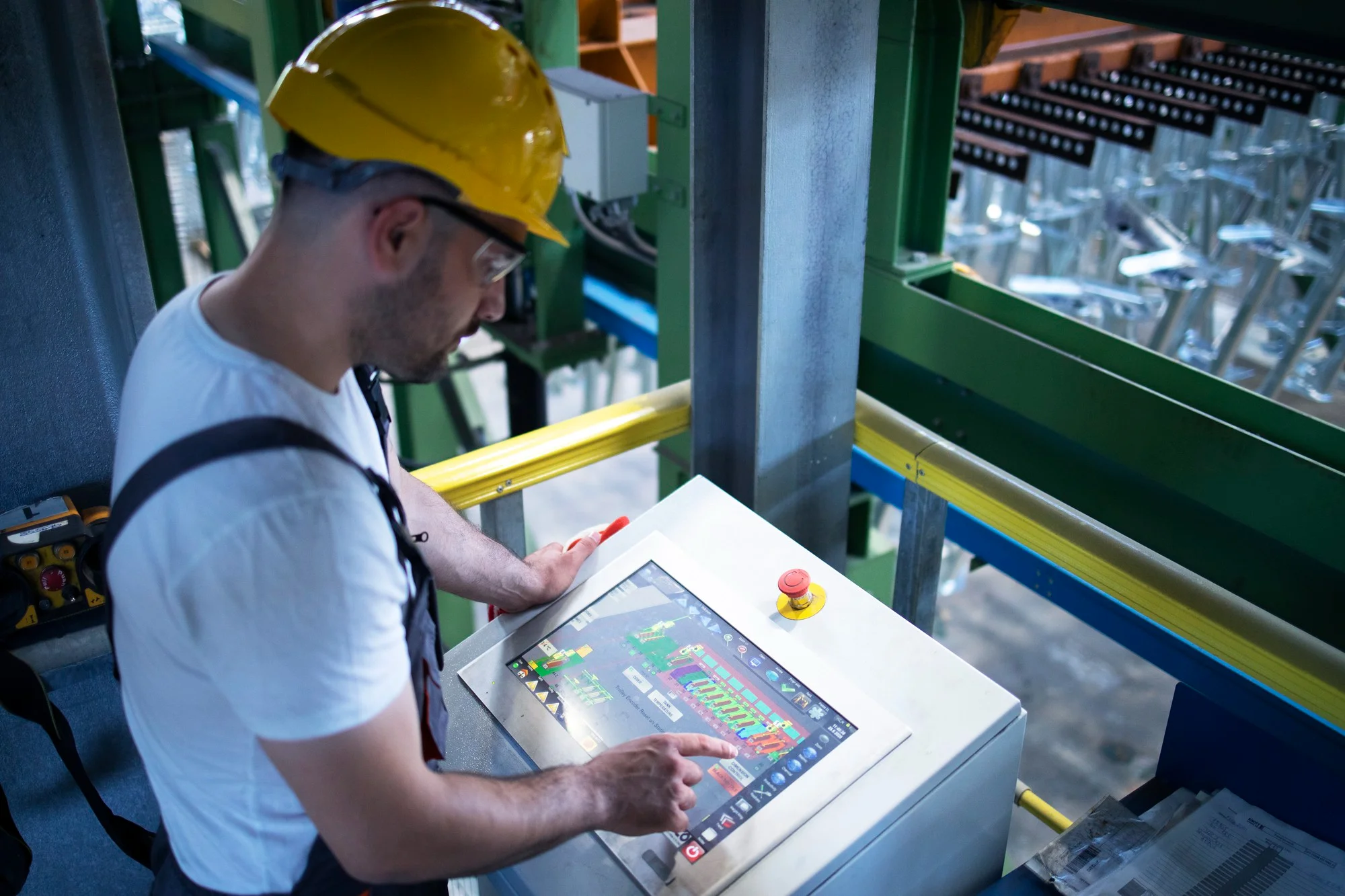
Factory downtime is rarely just a simple machine problem. When one important piece of equipment stops, production can slow down, workers may have to wait, and delivery schedules can quickly become difficult to maintain. A repair that looks minor at first can sometimes turn into hours of lost production.
This is one reason predictive maintenance has become more useful in modern manufacturing. Instead of waiting for a machine to break or servicing every piece of equipment on a fixed schedule, manufacturers can use machine data to understand what is happening while equipment is running. In operations such as CNC Machining China, where machines may run for long periods and precision matters, spotting unusual behavior early can make a noticeable difference.
What Is Predictive Maintenance?
Predictive maintenance is a way of monitoring equipment so maintenance can be carried out when it is actually needed. Sensors installed on machines can track things such as temperature, vibration, pressure, energy use, and operating speed.
The important part is not simply collecting this information. The data needs to be compared with normal machine behavior. If a motor normally operates within a certain temperature range but starts running consistently hotter, that change could be an early warning sign.
A maintenance team can investigate the issue before the motor fails completely.
This approach is different from reactive maintenance, where technicians deal with a problem after a breakdown has already happened.
Why Unexpected Downtime Causes Problems
Every factory has some downtime, but unexpected downtime is particularly difficult to manage.
Imagine a production line that is scheduled to operate for an entire shift. If a critical machine suddenly stops halfway through the day, the company may lose several hours of production. Employees may have to stand by, unfinished products can pile up, and another part of the facility may eventually run out of work.
There is also the repair itself. If the required component is not available, the machine could remain out of service until a replacement arrives.
Predictive maintenance helps reduce the chances of this situation by giving maintenance teams more information before a failure occurs.
Detecting Problems Before a Breakdown
Most mechanical failures do not happen without any warning. Components usually become worn or behave differently before they stop working.
For example, unusual vibration might suggest that a bearing is wearing out. A rise in temperature could point to excessive friction or an electrical issue. Changes in energy consumption may also indicate that a machine is working harder than it normally does.
A technician who receives this information can inspect the equipment and decide what needs to be done.
The advantage is timing. Instead of making an emergency repair during peak production, the factory can often schedule the work during a planned break or between production runs.
Better Maintenance Planning
Traditional preventive maintenance usually follows a timetable. A machine might be inspected every few weeks or have certain parts replaced after a particular number of operating hours.
That method still has value, but it does not always reflect the actual condition of the equipment. Two identical machines can experience very different levels of wear depending on how heavily they are used.
Predictive maintenance provides another layer of information.
If monitoring data shows that a machine is performing normally, there may be no reason to interrupt production unnecessarily. If the data shows a developing problem, the maintenance team can give that machine priority.
This makes maintenance planning more practical and can help reduce unnecessary servicing.
Protecting Product Quality
Equipment problems do not always lead directly to a complete breakdown. Sometimes a machine continues running while producing poor-quality results.
This can be particularly troublesome in precision manufacturing. A small change in machine alignment or tool condition may affect measurements, surface quality, or the consistency of finished components.
For example, an Aluminum Profile Manufacturer China may rely on stable production equipment to maintain consistent dimensions across a large batch. Monitoring machine performance can help identify developing issues before they result in significant amounts of material being processed incorrectly.
In this way, predictive maintenance can help factories address quality problems as well as downtime.
Using Sensors and Connected Equipment
The growth of connected manufacturing equipment has made condition monitoring easier to implement. Sensors can continuously record information and send it to a central monitoring system.
Instead of a technician checking a machine manually at a single point in the day, the factory can have a much broader view of how that machine behaves over time.
This historical information can be useful too. A one-time reading may not tell the whole story, but a gradual change over several days or weeks can reveal a developing pattern.
That gives maintenance teams more context when deciding whether an inspection or repair is necessary.
How AI Can Improve Predictive Maintenance
Artificial intelligence is adding another dimension to equipment monitoring. Modern systems can process large amounts of machine data and look for patterns that may be difficult to identify through manual observation.
For instance, software may notice that a combination of vibration, temperature, and operating speed has previously appeared before a particular type of failure.
The system can then alert the maintenance team when similar conditions occur again.
AI does not eliminate the need for experienced technicians. Instead, it can give them better information to work with. The final decision about inspecting, repairing, or replacing a component can still involve human judgment.
Reducing Repair Costs
Emergency repairs can be expensive because they are often unplanned. A factory may need to order parts quickly, rearrange employee schedules, or bring in specialist technicians.
Predictive maintenance can make these situations less common.
Suppose monitoring indicates that a component is likely approaching the end of its useful life. The company can order the replacement part ahead of time and arrange the repair around its production schedule.
The difference can be significant. A planned repair is easier to organize than an unexpected breakdown in the middle of a busy production period.
Challenges Manufacturers Need to Consider
Predictive maintenance is not something a factory can simply install and forget about. Sensors need to provide reliable information, monitoring systems need to be configured properly, and employees need to understand what the collected data means.
There is also an initial cost involved in upgrading equipment and introducing monitoring technology.
For this reason, some manufacturers begin with their most important machines rather than applying predictive maintenance to every piece of equipment immediately. Once the system proves useful, it can be expanded to other areas of the facility.
The Future of Factory Maintenance
Manufacturing is becoming increasingly connected, and maintenance is changing along with it. Machines can now provide information about their own operating conditions, while software can help teams identify changes that might otherwise go unnoticed.
The biggest benefit is not simply having more technology on the factory floor. It is having enough information to make better maintenance decisions.
By identifying developing problems earlier, manufacturers can plan repairs, protect product quality, reduce unnecessary interruptions, and make better use of their production capacity. Predictive maintenance therefore offers a practical way to keep factories running more reliably without waiting for every problem to become a breakdown.