 Sign up with Google
 Sign in with Zoho

Ask a small-business owner what keeps them busy and the answer will probably have nothing to do with insurance. They'll talk about chasing invoices, keeping customers happy, managing staff or trying to get through a particularly busy week. Insurance often gets pushed down the list until renewal time comes around.
That is understandable. When a business is running smoothly, paying for protection against something that might never happen can feel like an expense that can wait.
But think about a small electrical contractor who has spent years building a good reputation. One day, a customer claims that work carried out at their property caused damage to an expensive appliance. The contractor disputes the allegation, but responding to the complaint still takes time and may involve legal expenses. Even an allegation that has not been proven can put pressure on a small company.
This is why Small business insurance deserves more attention than a quick comparison of annual premiums. The purpose is to consider what could go wrong, how much it might cost and whether the business could manage that expense without serious disruption.
The policies below cover some of the risks that small businesses should think about. Not every policy will suit every company, but understanding the differences is a sensible place to start.
Public Liability Insurance: When an Everyday Visit Goes Wrong
A customer walks into a shop, slips on a wet floor and injures their wrist. A delivery driver trips over equipment left outside a workshop. A visitor damages their personal belongings while attending a business event.
These situations may seem unrelated, but they have something in common: a third party could hold the business responsible.
Public liability insurance is designed for claims involving injury to members of the public or damage to their property arising from business activities. If a business is legally liable and the circumstances are covered, the policy may help with compensation and legal costs.
It is worth considering for retailers, tradespeople, restaurants, event organisers and businesses that regularly visit customers.
One point often overlooked is that the location of the work matters. A decorator working inside a customer's home may face different practical exposures from a shopkeeper welcoming visitors into a retail premises. Business owners should describe their activities accurately when arranging cover.
Employers' Liability Insurance: Looking After the People Who Work for You
Hiring the first employee is an exciting milestone. It usually means the business has grown enough to need another pair of hands. It also means the owner has additional responsibilities towards the people working for them.
In the UK, most employers are legally required to hold employers' liability insurance, although certain exemptions apply. The general minimum level of cover required by law is £5 million.
Imagine a small warehouse employing four people. An employee injures their hand while handling stock and later alleges that inadequate safety arrangements contributed to the accident. If a claim is brought against the employer, the business could face legal costs and a compensation claim.
Employers' liability insurance can help with covered claims involving employee injury or illness arising out of their employment.
It should not be treated as a policy to arrange after the team has grown. Business owners should check their obligations before employing people and make sure the cover reflects their workforce and working arrangements.
Professional Indemnity Insurance: When Advice or Work Is Questioned
Not all business losses involve broken equipment or physical injuries. For many professional businesses, the risk comes from the work they provide to clients.
Consider a freelance web developer hired to build an online booking system for a hotel. The developer completes the project, but a problem with the booking process causes some reservations to be missed. The hotel claims that the error has cost it revenue and seeks compensation.
Whether the developer is actually responsible would depend on the facts, contract and evidence. However, responding to an allegation can still be costly.
Professional indemnity insurance is designed to cover certain claims arising from professional services, including allegations of negligence, mistakes or omissions. The exact protection depends on the policy wording.
Consultants, accountants, IT professionals, architects, designers and other service providers may find this cover particularly relevant.
When comparing policies, it is important to check more than the amount of cover. Does the policy describe the services you actually provide? Are subcontractors included where necessary? What exclusions apply? Is the retroactive date suitable?
A Professional Indemnity Insurance Broker can help explain these details and compare options for businesses whose work involves specialist advice or professional services.
Business Property Insurance: The Things Your Business Depends On
Walk into a small bakery before opening time and look around. There are ovens, refrigerators, mixers, display cabinets, ingredients and furniture. The owner may have spent years building up those assets.
Now imagine an electrical fault causes a fire overnight. Even if the building belongs to the landlord, the bakery could lose equipment, stock and other contents.
Business property insurance can protect eligible business assets against specified events such as fire, theft or certain types of damage. Depending on the arrangement, cover may include contents, machinery, stock, tools or buildings.
The important thing is to check what the policy actually insures. A tenant may assume the landlord's building insurance covers everything inside the premises, but the tenant's own equipment and stock may need separate protection.
Values also need attention. A business that has purchased new machinery or increased its stock levels since the last renewal should update its insurance details. Old figures can leave a business inadequately insured.
Business Interruption Insurance: The Cost of Being Unable to Trade
A damaged building is one problem. The income that disappears while repairs are taking place is another.
Take a small vehicle repair garage. A serious fire damages the workshop and makes it unusable. The owner has to arrange repairs, replace equipment and find a way to manage existing customer bookings. Meanwhile, regular expenses may continue even though the garage cannot operate normally.
Business interruption insurance is intended to help with certain financial losses following an insured event that disrupts trading. Depending on the policy, it may cover loss of income or additional costs incurred to keep the business operating.
It is important to understand the trigger for this cover. Many policies link business interruption protection to physical damage caused by an insured event under the property policy. It should not be assumed to cover every reason a business might close.
Owners should also think realistically about recovery time. Reopening a small office might take less time than restoring a specialist workshop with equipment that has to be ordered and installed. The indemnity period should reflect how long the business might need to recover.
Cyber Insurance: A Risk That Does Not Require a Large Company
A small business might not have hundreds of employees or a large IT department, but it can still hold valuable information.
A local recruitment agency, for example, may keep CVs, contact details and employment records on its systems. If someone gains unauthorised access, the agency could face data-related costs, operational disruption and damage to client confidence.
Cyber insurance may help with certain expenses following a covered cyber incident. Depending on the policy, this could include specialist response services, data recovery, legal support, notification costs and business interruption losses.
However, buying a policy is not a substitute for looking after digital systems. Simple steps can make a difference: use multi-factor authentication, keep software updated, train staff to recognise suspicious emails and maintain secure backups.
Some insurers also require particular security measures as a condition of cover. It is worth checking these requirements before taking out a policy.
Commercial Vehicle Insurance: Make Sure Business Use Is Declared
A van used to carry tools, a car used for regular client visits and a fleet delivering goods all have different working patterns.
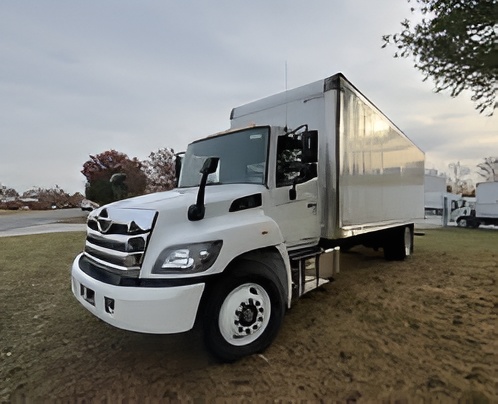
For example, a small catering company might use a van to transport food and equipment to weddings and corporate events. If the vehicle is insured under a policy that does not reflect its actual business use, the owner could discover a problem when making a claim.
Commercial vehicle insurance is designed for vehicles used for business purposes. Depending on the policy, cover can be arranged for different vehicle types, drivers and business activities. Additional protection for tools or goods carried may also be available.
The business owner should explain how the vehicle is used, who drives it and what it carries. It is better to clarify these details when arranging the policy than to make assumptions about what standard motor insurance includes.
How Do You Decide Which Policies You Actually Need?
There is no universal insurance package for small businesses. A self-employed photographer, a local café and a building contractor do not face the same risks.
Rather than starting with a list of products, start with the way the business operates.
Think about a normal working day. Who visits your premises? Do employees use machinery or travel to customer sites? Do you give advice that clients rely on? Could losing access to your equipment stop you from earning? Do you store customer information online?
These questions help identify where a financial problem could arise.
Next, check whether customers, landlords, lenders or other business partners have specific insurance requirements in their contracts. Some clients will not appoint a contractor unless particular liability limits are in place.
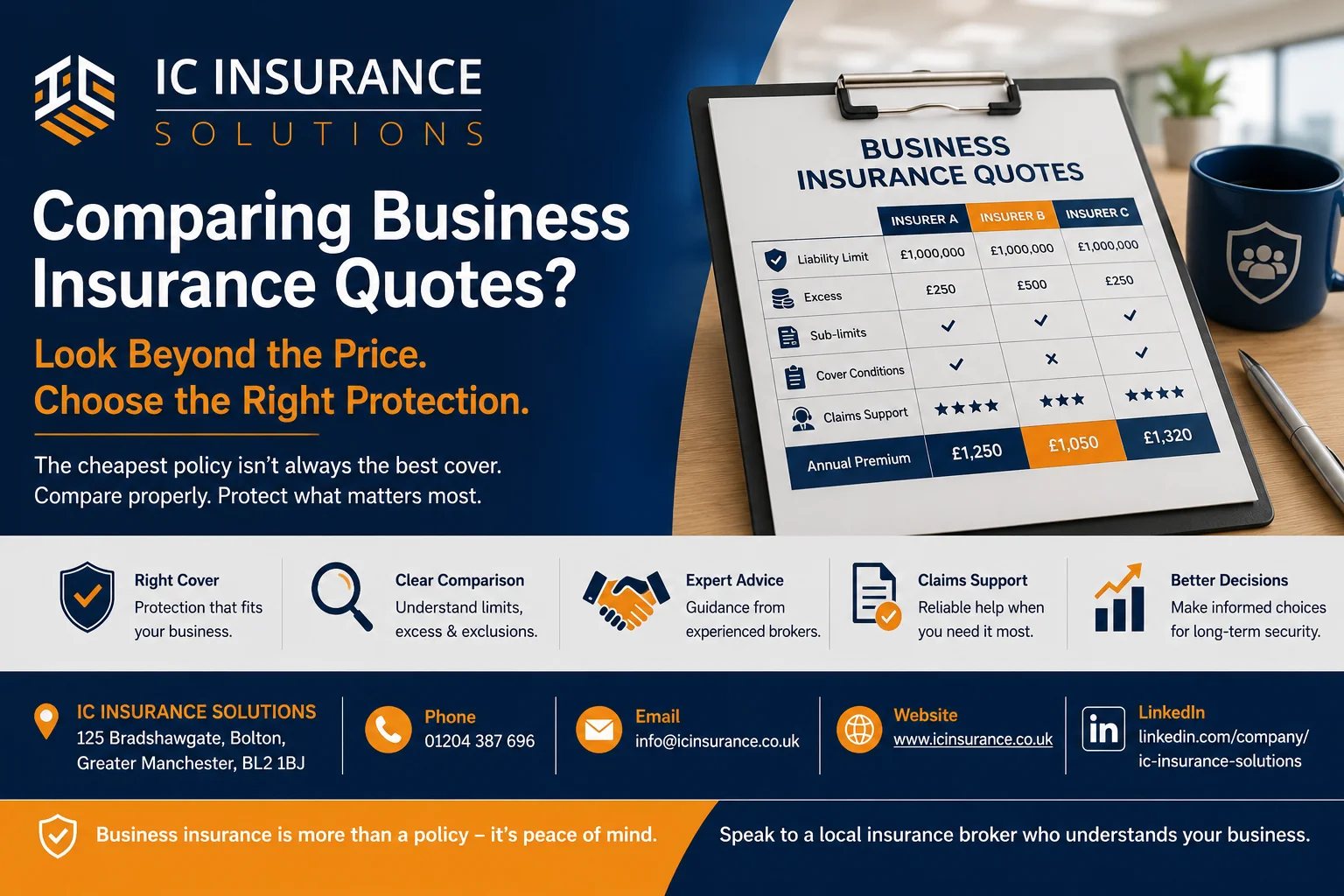
When comparing quotes, look beyond the premium. Check the excess, exclusions, policy limits and conditions. A cheaper policy may not be the better option if it leaves out an activity that is central to your business.
For more specialist risks, speaking with an experienced adviser or a Professional Indemnity Insurance Broker can help clarify the differences between policies and identify areas that need closer attention.
Insurance Should Change as Your Business Changes
The cover arranged when a business first opens may not be suitable three years later.
A self-employed consultant might start by working from home with one or two clients. Later, they could take on larger contracts, hire staff, use subcontractors and handle more sensitive client information. Their exposure has changed, even though the business name remains the same.
The same applies to a retailer that moves into larger premises or a tradesperson who starts employing a team.
Review your insurance when you make significant changes, not just when the renewal reminder arrives. Tell your insurer or broker about new services, additional locations, changes in turnover, new equipment and changes to the way employees work.
Keeping policy information up to date is a practical part of managing the business.
Final Thoughts
Most small-business owners cannot afford to treat every unexpected expense as a minor inconvenience. A legal claim, damaged equipment or an extended closure can affect cash flow and put years of hard work under pressure.
That does not mean buying every insurance policy available. It means understanding the risks connected to your work and choosing cover that addresses the ones that could cause the greatest financial difficulty.
Public liability, employers' liability, professional indemnity, property, business interruption, cyber and commercial vehicle insurance each serve a different purpose. The right combination depends on what the business does, who it works with and what it owns.
A useful starting point is to imagine one ordinary working day going badly wrong. Which incident would be hardest to pay for? Which one could stop you trading? Those answers can help make insurance decisions more practical and relevant.
Small business insurance is ultimately about protecting the business you have worked hard to build, while giving you a clearer plan for dealing with problems that cannot always be prevented.