Sign up with Google
 Sign in with Zoho

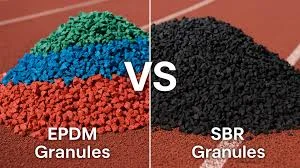
When choosing rubber materials for flooring, playgrounds, sports surfaces, or outdoor applications, EPDM vs SBR rubber is a comparison that often comes up. Both materials have their strengths, but they are designed for different performance requirements.
Understanding the difference can help you select the right rubber for your project instead of simply choosing based on price.
What Is EPDM Rubber?
EPDM stands for Ethylene Propylene Diene Monomer. It is a synthetic rubber known for its excellent resistance to sunlight, weather, ozone, and temperature changes.
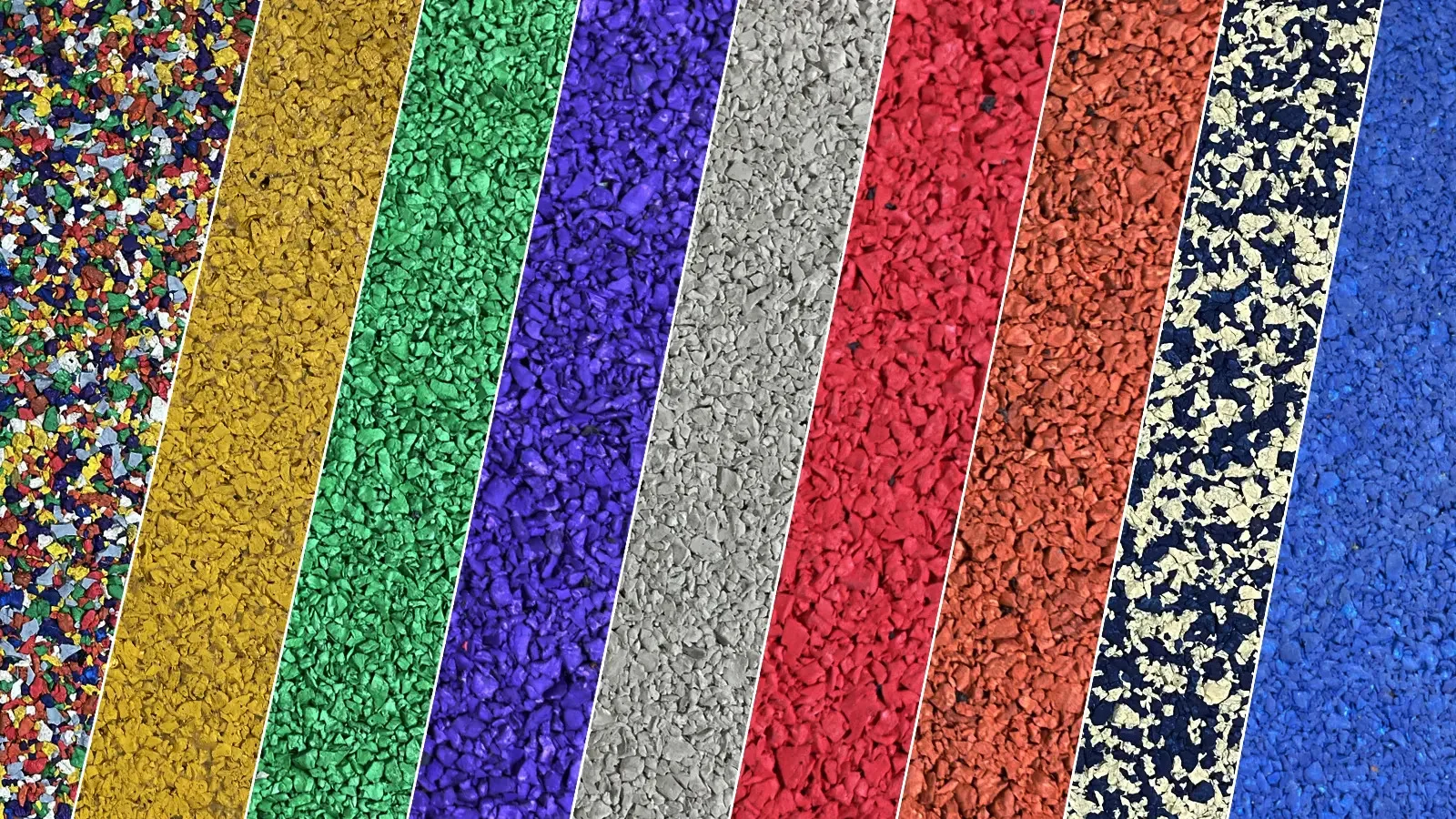
EPDM is particularly popular for outdoor applications because it can maintain its appearance and performance even when exposed to harsh environmental conditions. It is also available in a wide range of colors, making it a popular choice for playgrounds, running tracks, sports surfaces, and decorative rubber flooring.
What Is SBR Rubber?
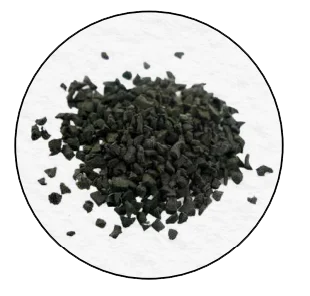
SBR stands for Styrene Butadiene Rubber. It is another widely used synthetic rubber and is commonly produced from recycled tyres. SBR offers good durability, elasticity, and impact resistance while generally being more economical than EPDM.
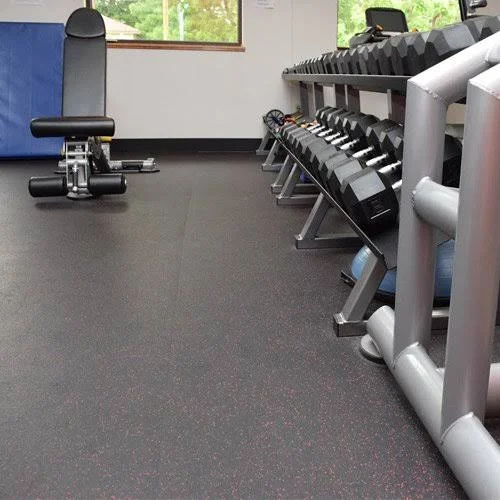
Because of its cost-effectiveness and strong performance, SBR is frequently used in gym flooring, weight rooms, rubber mats, and shock-absorbing surfaces.
EPDM vs SBR Rubber: Key Differences
The biggest difference between EPDM vs SBR rubber is their performance in different environments.
EPDM:
- Excellent UV and weather resistance
- Better suited to outdoor applications
- Available in many attractive colors
- Performs well under temperature variations
- Ideal for playgrounds, tracks, and outdoor sports areas
SBR:
- Cost-effective option
- Good impact and abrasion resistance
- Commonly made using recycled tyre rubber
- Suitable for gyms and heavy-use areas
- Excellent for shock absorption and weight-training zones
Which Rubber Is Better for Outdoor Use?
For outdoor projects, EPDM is generally the preferred option because of its strong resistance to UV exposure, weather, and ozone. It is commonly used where the surface will remain exposed to sunlight and changing weather conditions.
SBR can also be used outdoors, particularly as a base layer beneath EPDM granules, but prolonged exposure to sunlight can affect its appearance and long-term surface performance.
Which One Is Better for Gyms?
For gym flooring, SBR is often a practical choice because it provides good impact absorption and durability at a competitive cost. It works especially well in weightlifting areas where heavy equipment and weights place significant stress on the floor.
EPDM can be added when color, appearance, and enhanced outdoor resistance are important considerations.
EPDM and SBR Can Work Together
Choosing between EPDM and SBR does not always mean using only one material. Many rubber flooring systems combine both. SBR can provide a durable and economical base, while EPDM granules can create a colorful, UV-resistant top layer.
Final Thoughts
The right choice in EPDM vs SBR rubber depends on where and how the material will be used. Choose EPDM when weather resistance, color, and outdoor durability are priorities. Choose SBR when affordability, impact resistance, and heavy-duty performance matter most.
For many flooring projects, a combination of SBR and EPDM can provide a balanced solution with both performance and visual appeal.