Sign up with Google
 Sign in with Zoho

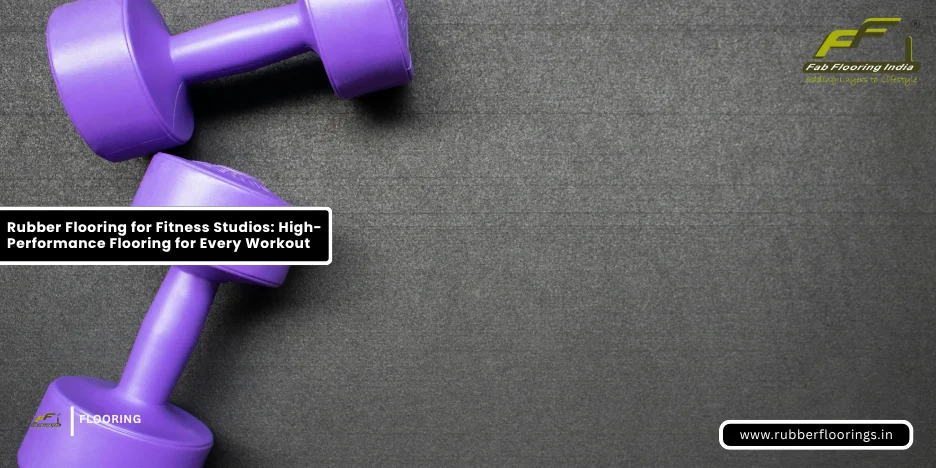
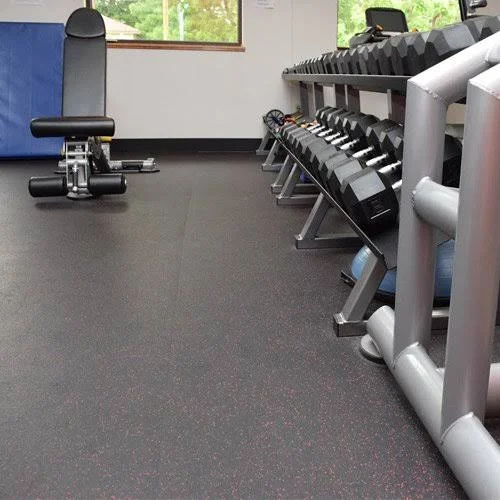
Fitness studios need flooring that can handle heavy equipment, constant movement, high-impact workouts, and regular foot traffic. Rubber flooring is a popular choice because it provides durability, comfort, impact absorption, and good traction. It creates a safer and more practical surface for different types of fitness activities.
Why Choose Rubber Flooring?
During workouts, floors are exposed to jumping, running, dropped weights, and continuous equipment movement. Rubber flooring helps absorb much of this impact, protecting the underlying floor while providing a comfortable surface for users.
Its textured surface also offers excellent grip, which can help reduce slipping during fast-paced exercises. This makes rubber flooring suitable for fitness studios where safety and performance are important.
Benefits of Rubber Flooring
Rubber flooring provides several benefits for busy fitness environments:
Shock absorption: Helps reduce the impact of jumping, running, and weight training.
Slip resistance: Provides reliable traction during different workouts.
High durability: Handles heavy equipment and frequent foot traffic.
Noise reduction: Helps minimize noise caused by dropped weights and moving equipment.
Comfort underfoot: Offers a supportive surface for standing and exercising.
Easy maintenance: Regular sweeping and damp mopping can keep the floor clean.
Long-lasting performance: Quality rubber flooring can withstand demanding daily use.
Types of Rubber Flooring for Fitness Studios
Fitness studios can select from different rubber flooring formats based on their space and workout requirements.
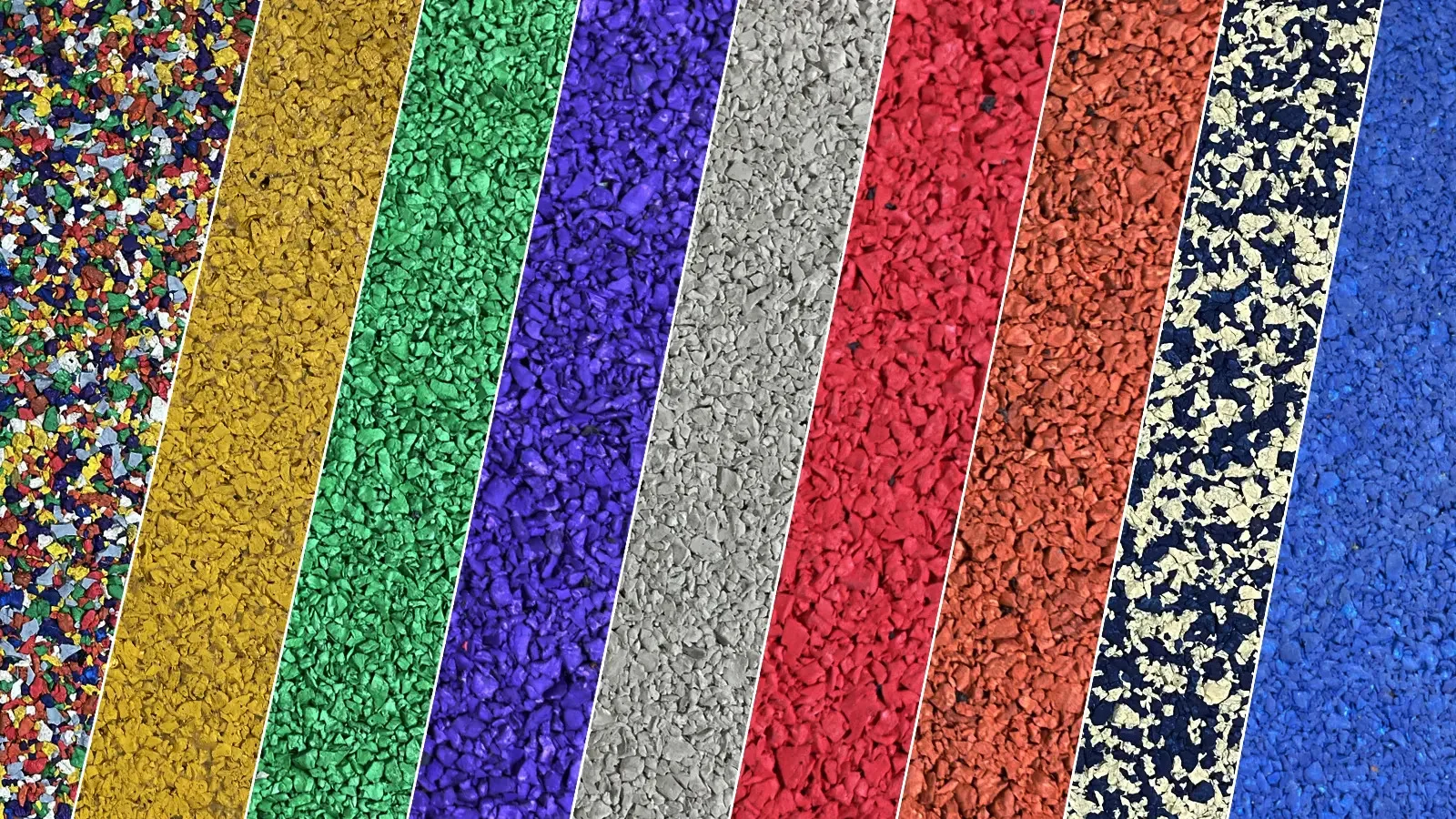
Rubber tiles are practical for studios because individual sections can be replaced if damaged. Rubber rolls provide a more seamless appearance and are suitable for larger workout areas. Simple to install, interlocking rubber mats can be useful for flexible or temporary fitness spaces.
.
The required thickness depends on the activities performed. Weightlifting and high-impact training areas generally benefit from thicker flooring, while stretching or light exercise zones may require less cushioning.
Applications
Rubber flooring can be installed in strength-training areas, HIIT zones, functional fitness spaces, personal training studios, weight rooms, and multipurpose workout areas. It also works well around treadmills, exercise bikes, free weights, and other gym equipment.
Installation and Maintenance
Proper installation requires a clean and level subfloor.Professional installation can help ensure that tiles or rolls remain stable and provide a smooth workout surface.
Maintenance is just to remove dust and debris regularly and clean the surface with appropriate cleaning products. Avoid harsh chemicals that could damage the rubber material.
Conclusion
Choosing the right rubber flooring can improve safety, comfort, durability, and workout performance in fitness studios. Its shock absorption, slip resistance, noise reduction, and easy maintenance make it a dependable flooring solution for modern fitness spaces.