Sign up with Google
 Sign in with Zoho

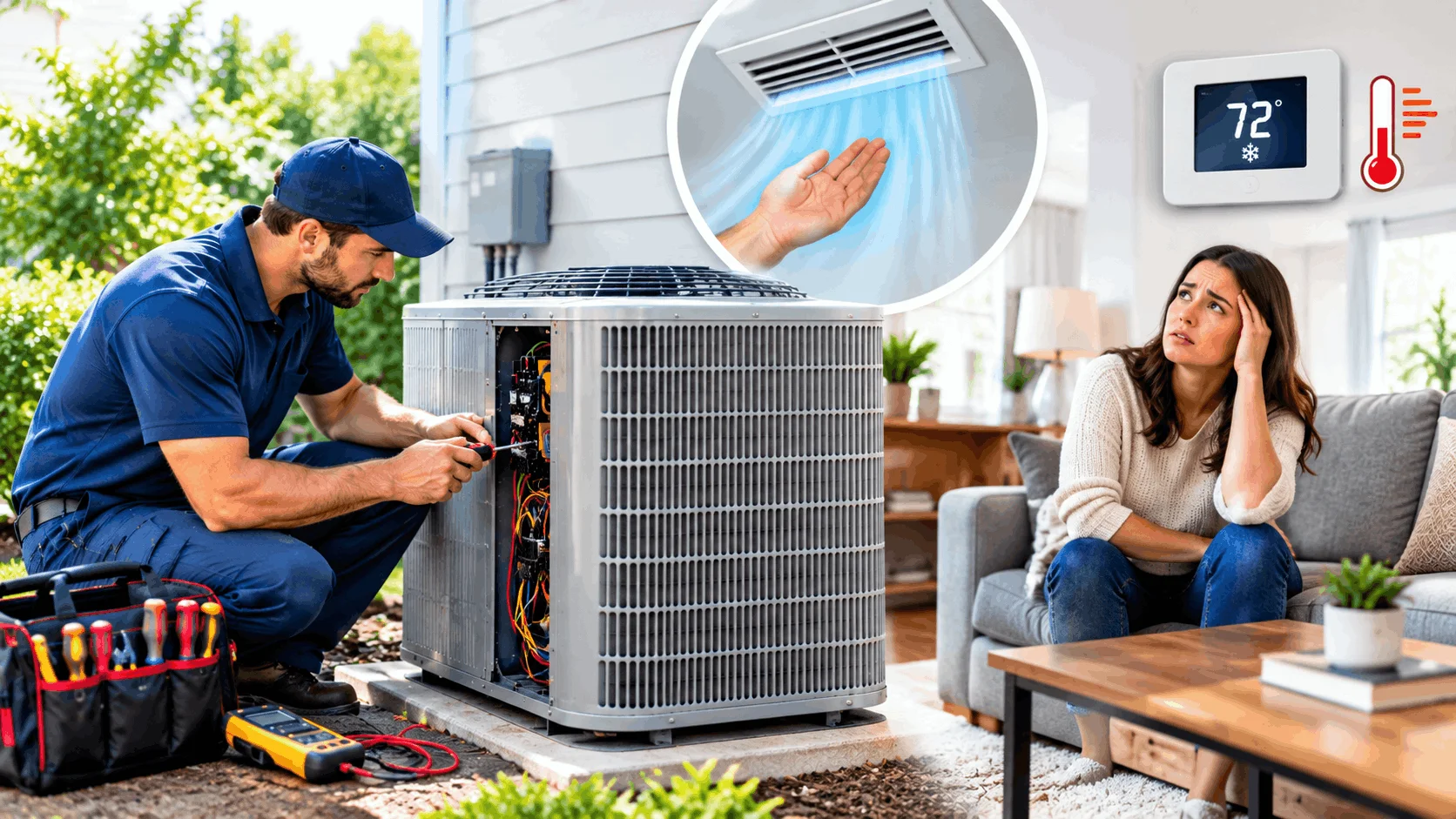
You put your hand up to the vent, and there it is, cold air, right on cue. So why does your living room still feel like a sauna twenty minutes later? This is one of the most confusing AC complaints homeowners in Rock Hill run into every summer. The system seems to be doing its job at the vent, yet somehow the message never gets to the rest of the house. Let's dig into what's actually going on.
The Confusing Part About This Problem
Here's the thing that throws people off. Cold air at the vent tells you the AC is producing cold air. It does not tell you that cold air is making it where it needs to go, or staying there once it arrives. Think of it like a delivery truck that loads up the packages just fine but keeps taking wrong turns before reaching your doorstep. The product exists. The delivery system is what's failing. This is exactly the kind of thing experienced hvac contractors rock hill sc homeowners trust get called out for on a near daily basis in peak summer.
Why Cold Air at the Vent Doesn't Always Mean a Cold House
1. Your Home Has an Airflow Problem, Not a Temperature Problem
A weak or blocked return air path can choke your system's ability to circulate air through the whole house. If only one or two rooms cool down while others stay stuffy, that's usually airflow, not the AC's cooling ability itself.
2. The AC Unit Is Undersized for Your Home
Sometimes the unit installed simply isn't big enough for the square footage it's trying to cool. It'll blow cold air constantly, working overtime, but never actually catch up. This is more common than people think, especially in homes that added square footage after the original system was installed.
3. Ductwork Is Leaking Cold Air Before It Reaches You
Ducts running through attics, crawlspaces, or garages can develop gaps, loose connections, or holes over time. Cold air escapes into these unconditioned spaces instead of reaching your rooms. You're basically paying to cool your attic.
Other Sneaky Reasons Your House Stays Warm
1. Dirty Condenser Coils Outside
When the outdoor unit's coils get coated in dust, pollen, or grime, the whole system struggles to release heat properly. The air coming out the vent might feel cold, but the overall cooling capacity drops significantly.
2. Low Refrigerant Levels
Refrigerant is what actually absorbs heat from your home's air. When levels run low, usually from a leak, the air can still feel cool to the touch but won't carry enough cooling power to bring the whole house down in temperature.
3. Thermostat Placement Issues
If your thermostat sits near a sunny window, a kitchen, or a vent itself, it can get a false reading. It thinks the house is cooler than it really is and shuts the system off too early.
4. Doors and Windows Letting Heat In
Sometimes it's not the AC at all. Gaps around doors, poorly sealed windows, or a lack of insulation let outdoor heat sneak in faster than your system can push it out. It's like trying to fill a bucket with a hole in the bottom.
Quick Checks You Can Do Before Calling a Technician
Before assuming the worst, walk through a few basics. Check that all vents around the house are open and unobstructed. Replace the air filter if it's been more than a couple months. Look at the outdoor unit and clear away any leaves, grass, or debris piled around it. Feel around your attic ductwork if it's accessible, and check for obvious gaps or disconnected sections. These small checks solve more problems than people expect, and it's often the same advice any hvac rock hill sc technician would give you over the phone before scheduling a visit.
When This Points to a Bigger Issue
Warning Signs That Mean It's Time to Call In Help
- The problem has been going on for more than a few days despite basic checks
- You notice ice forming on the indoor coil or refrigerant lines
- Your energy bills have jumped noticeably without a change in habits
- Certain rooms never cool no matter what you try
- The system runs constantly without ever hitting the set temperature
If you're seeing any of these, it's worth reaching out to established hvac contractors rock hill sc residents count on, since refrigerant and ductwork issues need proper tools and training to diagnose correctly. Trying to chase a duct leak or a refrigerant leak on your own usually ends up costing more time than it saves.
How to Keep This From Happening Again
Routine maintenance really is the difference maker here. A seasonal checkup catches dirty coils, low refrigerant, and duct leaks before they turn into a house that never cools down no matter how hard the system runs. Scheduling this with a trusted hvac rock hill sc provider once or twice a year means small issues get fixed while they're still small and cheap. Homeowners who stick to this routine rarely deal with the cold air, warm house mystery in the first place.
Final Thoughts
Cold air blowing from the vents feels like proof your AC is working, but it's only part of the story. The real question is whether that cold air actually gets delivered throughout your home and stays cool once it's there. Airflow blockages, sizing issues, leaky ducts, dirty coils, and refrigerant levels all play a role in whether your house actually feels comfortable. A few simple checks can rule out the easy stuff, and when the problem runs deeper, calling in a professional saves you from chasing your tail all summer long.
FAQs
Q1: Why does my AC feel cold at the vent but my house stays warm? Usually airflow issues, ductwork leaks, or an undersized system keep cold air from reaching every room.
Q2: Can low refrigerant cause this problem? Yes, low refrigerant reduces cooling capacity even if the air still feels cool at the vent.
Q3: Should I check my thermostat placement? Absolutely. A thermostat near heat sources can shut the system off too early.
Q4: How often should ductwork be inspected? Once a year is a good rule of thumb, especially in older homes.
Q5: When should I call a professional for this issue? If basic checks don't help within a few days, or you notice ice buildup or rising energy bills, it's time to call for help.