Sign up with Google
 Sign in with Zoho

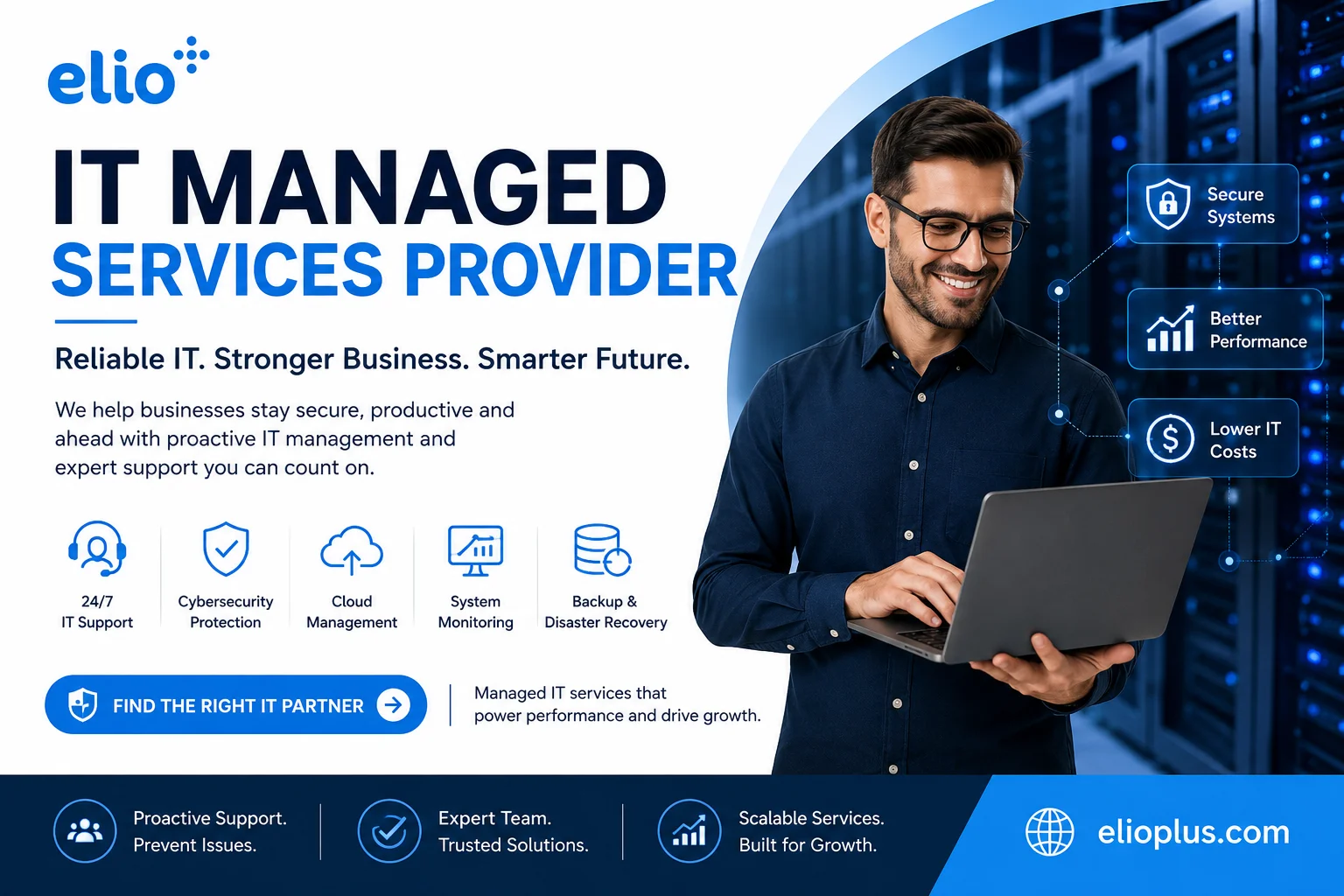
Managed IT services have become an important option for businesses that want reliable technology support without managing every IT responsibility internally. But with different providers offering different levels of support, businesses need to understand what they should expect before choosing a technology partner.
1. Proactive IT Support
Managed IT services should go beyond fixing problems after they occur.
A reliable IT service provider should continuously monitor systems, identify potential issues, perform maintenance, and address problems before they cause major disruption.
This proactive approach can help businesses reduce downtime and maintain more reliable technology environments.
2. Help Desk and Technical Support
Employees can experience technical issues with devices, applications, networks, or other business systems.
An IT managed services provider should offer an accessible support process with clear response times and escalation procedures.
Businesses should understand:
- How support requests are submitted
- Available support hours
- Expected response times
- How urgent issues are handled
- How problems are escalated
Clear support processes help employees get assistance when they need it.
3. Network and Infrastructure Management
Businesses depend on reliable networks and infrastructure for everyday operations.
A capable managed IT service provider can monitor network performance, maintain infrastructure, troubleshoot connectivity issues, and identify potential problems before they become significant disruptions.
4. Cybersecurity Protection
Cybersecurity should be a core component of modern managed IT services.
Businesses should expect their provider to offer appropriate protection through services such as:
- Endpoint security
- Threat monitoring
- Firewall management
- Access controls
- Security updates
- Vulnerability management
- Incident response
Security requirements will vary between organizations, so businesses should confirm exactly what is included before signing an agreement.
5. Cloud Management
Many businesses rely on cloud applications and infrastructure for everyday operations.
An IT managed service provider should be capable of supporting cloud environments, managing configurations, monitoring performance, and resolving cloud-related issues.
As cloud adoption increases, the right expertise can help businesses manage technology more efficiently.
6. Backup and Disaster Recovery
Data loss caused by system failures, cyberattacks, or unexpected incidents can seriously affect business operations.
A reliable IT services provider should be able to help businesses establish appropriate backup and disaster recovery processes based on their specific requirements.
Businesses should know:
- What data is backed up
- How frequently backups occur
- Where backups are stored
- How recovery works
- Whether recovery procedures are tested
7. Software and Device Management
Businesses often manage large numbers of computers, applications, and other devices.
Managed IT services can include software updates, patch management, endpoint monitoring, device maintenance, and configuration management.
Keeping systems updated can improve both security and reliability.
8. IT Monitoring and Performance Management
A strong provider should continuously monitor important systems and identify performance issues.
Regular monitoring helps businesses understand system health and address potential problems before they significantly affect employees or customers.
This proactive approach is one of the key advantages of managed IT services over traditional break-fix support.
9. Scalability as the Business Grows
IT requirements change as businesses grow.
Companies may add employees, locations, devices, applications, and cloud services over time.
A reliable managed IT service providers network should offer solutions that can adapt to changing business requirements.
Businesses should consider whether a provider can support future growth without creating unnecessary complexity.
10. Strategic IT Guidance
Businesses should expect more than day-to-day technical support from a strong technology partner.
A capable provider can also help with infrastructure improvements, cloud adoption, security strategies, software upgrades, and future technology investments.
Strategic guidance allows businesses to make better technology decisions as their needs evolve.
How to Find the Right Provider
Finding the right provider can require significant research.
Businesses can use a channel partner directory to discover potential technology partners and create an initial shortlist based on relevant requirements.
For businesses specifically looking for managed service providers, an MSP database can make the search more targeted by providing access to relevant provider information.
Once potential providers have been identified, businesses should compare:
- Technical expertise
- Services offered
- Cybersecurity capabilities
- Support availability
- Response times
- Industry experience
- Scalability
- Pricing and contract terms
- Customer reputation
Managed IT Services and Partner Recruitment
For technology companies that are looking to expand their network of service providers or resellers, partner recruitment automation can help streamline prospect discovery, qualification, outreach, and follow-ups.
This can make it easier to manage a growing partner pipeline while reducing repetitive recruitment work.
Final Thoughts
Businesses should expect managed IT services to provide more than basic troubleshooting. Proactive support, cybersecurity, cloud management, monitoring, backup, technical assistance, and strategic guidance can all contribute to a more reliable technology environment.
The right provider should understand current requirements while also being capable of supporting future growth.
Whether you're looking for an IT managed services provider, researching an MSP database, or building a wider technology partner network, reliable information and careful evaluation can help you make a more confident decision.
Managed IT services work best when the provider becomes a reliable technology partner—not simply the company you call when something breaks.