Sign up with Google
 Sign in with Zoho


Every growing B2B company reaches a point where expanding through partnerships becomes an attractive strategy.
A well-connected partner can introduce your solution to new customers, strengthen your presence in existing markets, and accelerate growth without significantly increasing your direct sales efforts.
But building a successful partner network isn't simply a numbers game.
Many businesses spend months reaching out to hundreds of companies, only to discover that very few become active contributors.
The challenge isn't finding partners.
The challenge is finding the right partners—and doing it efficiently.
Start With a Clear Definition of Success
Before searching for potential partners, decide what success actually looks like.
Ask yourself:
- Which markets are we trying to enter?
- Which customer segments matter most?
- What type of partner will complement our business?
- What characteristics should an ideal partner have?
Without clear criteria, recruitment quickly becomes reactive rather than strategic.
The best partner programs begin with direction, not outreach.
Prioritize Quality Over Volume
It's tempting to measure progress by the number of companies joining your program.
However, large networks often contain inactive or disengaged partners.
A smaller network of committed businesses usually creates stronger results because every relationship receives the attention it deserves.
Successful companies focus less on adding names and more on building partnerships that generate measurable business value.
Use Reliable Data to Save Time
Research can consume a significant portion of the recruitment process.
Reviewing websites, comparing companies, and validating information all require time.
A well-maintained channel partner database helps businesses identify suitable companies more efficiently by providing structured information before outreach begins.
Better data reduces unnecessary research and allows teams to focus on qualified opportunities.
Make Recruitment Consistent
As businesses grow, inconsistent recruitment processes often become a bottleneck.
Different team members qualify partners differently.
Follow-ups happen at different times.
Important information gets overlooked.
A structured channel partner recruitment process creates consistency from the first conversation through onboarding.
When every potential partner follows the same journey, the experience becomes smoother for everyone involved.
Remove Repetitive Administrative Work
Many partner teams spend more time managing spreadsheets than developing relationships.
Routine administrative work slows growth.
Managing applications.
Tracking conversations.
Scheduling follow-ups.
Updating records.
These tasks are necessary, but they shouldn't dominate the workday.
Using partner recruitment automation helps reduce repetitive activities, allowing teams to spend more time helping partners succeed.
Focus on Partner Enablement
Recruitment is only the beginning.
Once a company joins your ecosystem, it needs the right resources to become productive.
That may include:
- Product knowledge
- Sales guidance
- Marketing materials
- Technical documentation
- Ongoing communication
The sooner partners understand how to position your solution, the sooner they begin creating opportunities.
Measure Performance, Not Participation
Signing partnership agreements is easy to measure.
Business impact is far more meaningful.
Instead of tracking only the number of recruited companies, evaluate:
- Active participation
- Qualified opportunities
- Revenue contribution
- Partner engagement
- Customer success
These metrics provide a much clearer picture of ecosystem health.
Build Relationships That Continue to Grow
Long-term success depends on more than recruitment.
Partners need regular communication, feedback, business planning, and ongoing support.
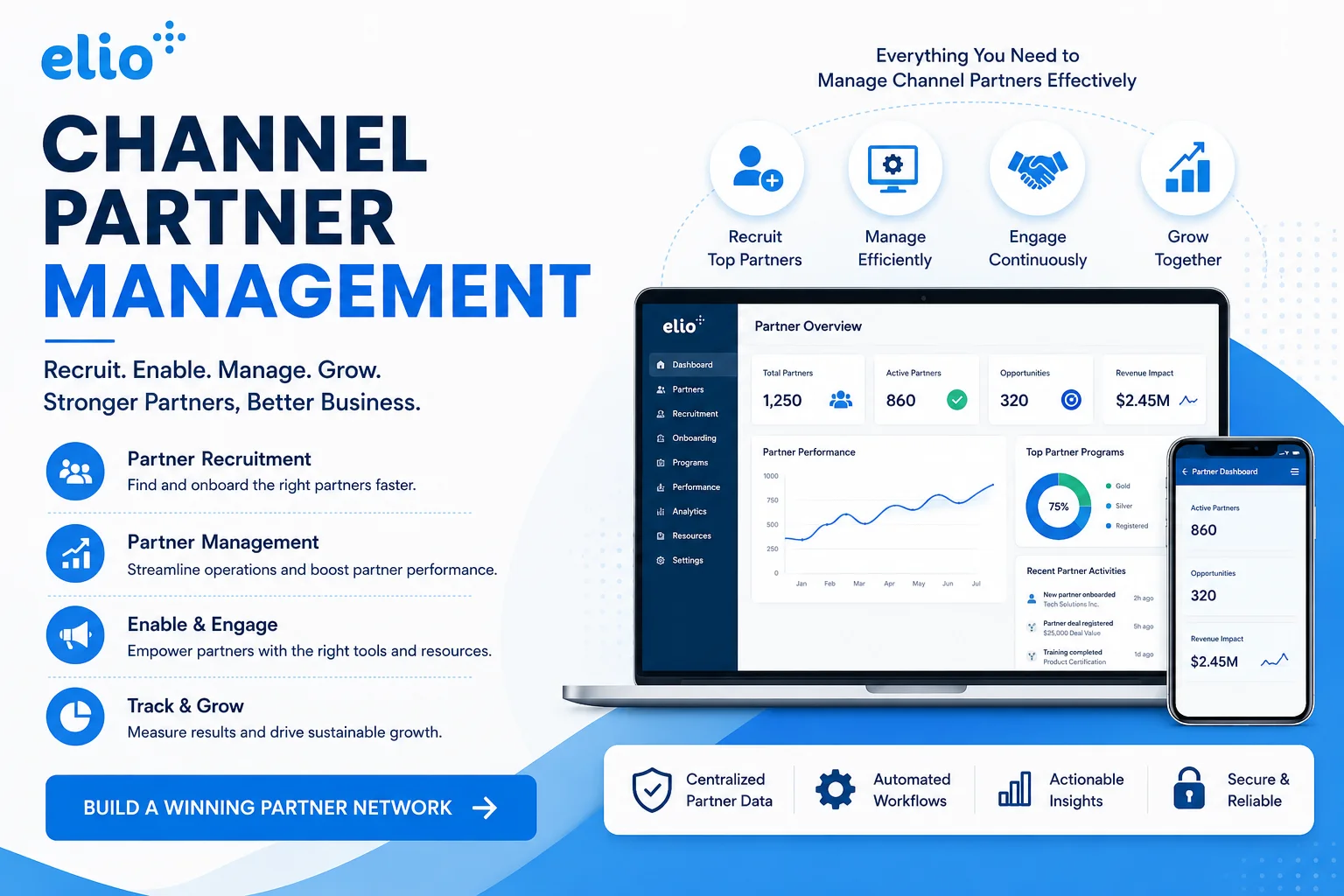
Strong channel partner management helps businesses maintain productive relationships while creating new opportunities for growth.
When partners feel supported, they're more likely to stay engaged and invest in the relationship.
Final Thoughts
Building a high-performing partner network doesn't require recruiting hundreds of companies.
It requires identifying the businesses that genuinely align with your goals and creating an environment where they can succeed.
Companies that combine clear strategy, better data, efficient processes, and consistent support build stronger ecosystems in less time.
Growth isn't about moving faster for the sake of speed.
It's about spending your time where it creates the greatest long-term impact.