Sign up with Google
 Sign in with Zoho

Choosing bedding for a child with eczema, allergies, or generally sensitive skin can feel like a minefield. Walk into any bedding aisle, and you'll find organic cotton, bamboo, wool, and synthetic blends all marketed as "gentle" or "hypoallergenic," but not all of these claims hold up equally. This guide breaks down the real differences between organic and synthetic kids' bedding so parents can make a choice based on fabric science rather than marketing labels.
Why Fabric Choice Matters for Sensitive Skin
Children's skin is thinner and more permeable than adult skin, which means it reacts more quickly to friction, heat, moisture, and chemical residues. For children with eczema or allergies, the wrong fabric can trigger flare-ups, disrupt sleep through overheating or itchiness, and even worsen skin barrier damage over time. Since kids spend roughly 10-12 hours a night in direct contact with their bedding, fabric choice isn't a minor detail, it's one of the more controllable factors in managing skin sensitivity.
Sensory-Friendly Bedding Support
Kids Weighted Blanket
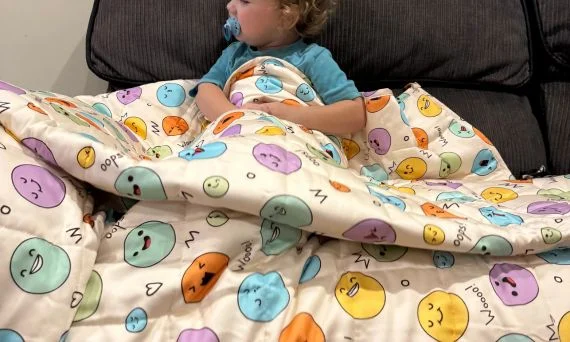
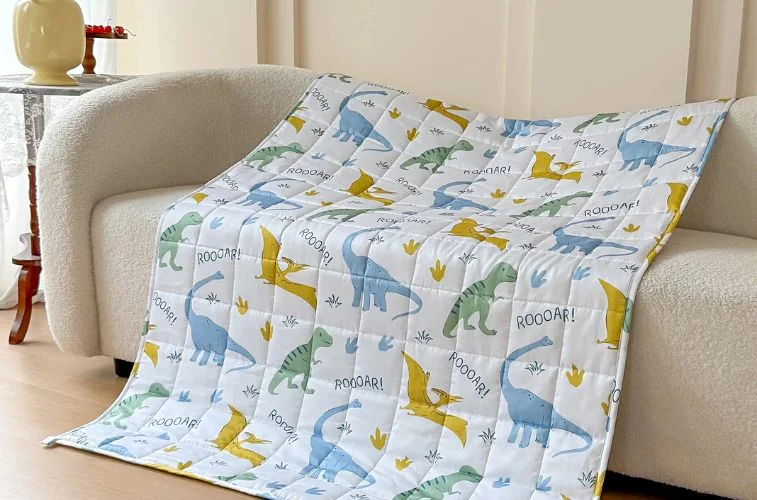
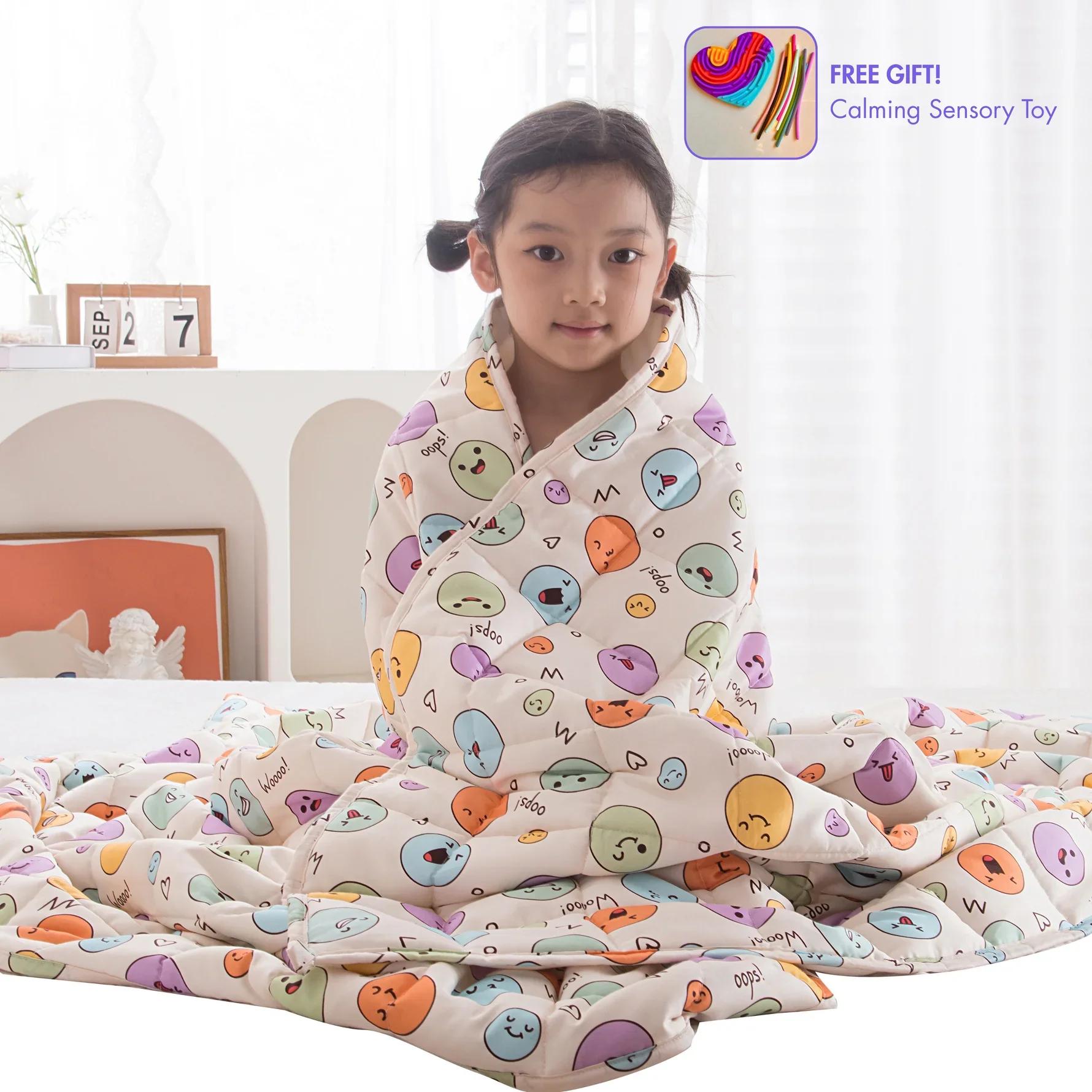
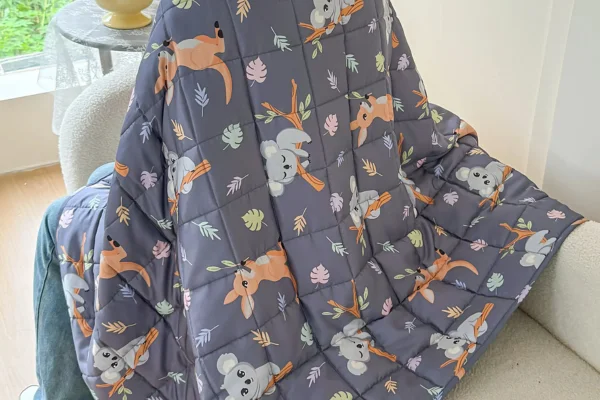
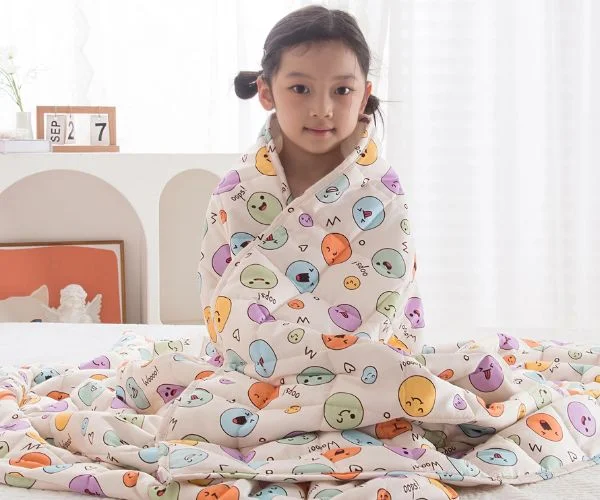
For children who deal with both sensory sensitivities and skin reactivity, bedding choices often need to address two things at once: comfort and calming pressure. A kids weighted blanket made from breathable, skin-safe fabric can support better sleep settling without adding irritation, provided the outer cover is soft, tag-free, and made from natural or hypoallergenic materials.
Memory Foam Pillow for Kids
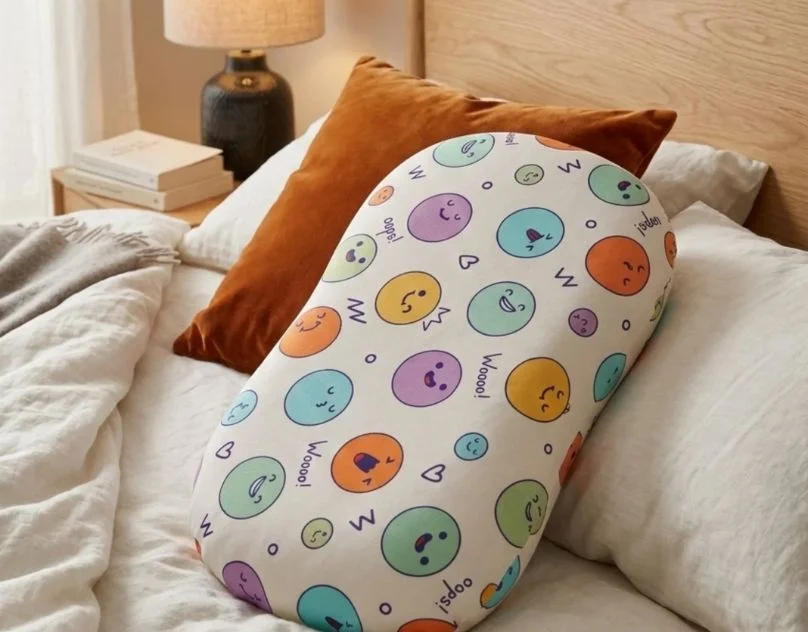
Pillow choice matters just as much as blanket choice, particularly for children prone to night sweats or skin irritation around the face and neck. A memory foam pillow for kids with a breathable, natural-fiber cover can reduce heat buildup compared to standard synthetic pillow covers, which tend to trap moisture against the skin overnight.
Organic Fibres: Cotton, Bamboo, and Wool
Organic Cotton
Organic cotton is grown without synthetic pesticides or chemical fertilizers and is typically processed with fewer harsh dyes and finishing agents than conventional cotton. This makes it one of the most recommended fabrics for eczema-prone children, as it's breathable, soft, and less likely to carry residual chemical irritants.
Bamboo Fabric
Bamboo-derived fabrics are naturally moisture-wicking and have a smooth fiber structure that reduces friction against sensitive skin. Bamboo also has mild natural antibacterial properties, which can help reduce the bacteria buildup that sometimes aggravates eczema symptoms.
Wool
Wool is often overlooked for sensitive skin, but fine merino wool (not coarse wool) regulates temperature exceptionally well and wicks moisture away from the body. However, some children are sensitive to wool's natural texture, so it's best introduced gradually or used as a filling rather than a direct-contact fabric.
Synthetic Blends: What to Watch For
Polyester and Microfibre
Synthetic bedding, such as polyester or microfiber blends, is widely used because it's cheap, durable, and easy to wash. However, these fabrics are less breathable than natural fibers, which can cause overheating and trap sweat against the skin a common trigger for eczema flare-ups. Synthetic materials can also generate more static and friction, which may irritate already-sensitive skin.
Chemical Treatments in Synthetic Bedding
Many synthetic bedding products are treated with flame retardants, wrinkle-resistant coatings, or stain-repellent finishes. While these treatments serve a functional purpose, they can leave chemical residues that some children react to, particularly those with existing skin conditions or chemical sensitivities. Checking for certifications like OEKO-TEX can help confirm a product has been tested for harmful substances.
Comparing the Two: A Quick Breakdown
- Breathability: Organic fibres (cotton, bamboo) generally outperform synthetic blends.
- Chemical exposure: Organic and certified fabrics typically involve fewer processing chemicals.
- Durability: Synthetic blends often last longer and resist wear better.
- Cost: Synthetic bedding is usually more budget-friendly upfront.
- Skin sensitivity: Organic fibres are generally the safer choice for eczema-prone or allergy-sensitive children.
What to Look for When Shopping
When shopping for sensitive-skin bedding, prioritize:
- Certified organic labels (e.g. GOTS-certified cotton)
- OEKO-TEX certification, confirming the fabric has been tested for harmful substances
- Tag-free or soft-seam construction to reduce friction points
- Breathable weave rather than tightly woven synthetic fabric
- Minimal chemical finishing, avoiding heavily treated "wrinkle-free" or "stain-resistant" claims
Final Thoughts
For most children with eczema or sensitive skin, organic fibres like cotton and bamboo offer a clear advantage over synthetic blends, primarily due to better breathability and fewer chemical residues. Wool can also be a strong option when used correctly, particularly for temperature regulation. Synthetic bedding isn't necessarily harmful for every child, but for those with reactive skin, it's often the added heat retention and chemical treatments that cause problems rather than the base fabric itself. When in doubt, checking for recognized certifications remains the most reliable way to separate genuinely skin-safe bedding from products that simply market themselves that way.