Sign up with Google
 Sign in with Zoho

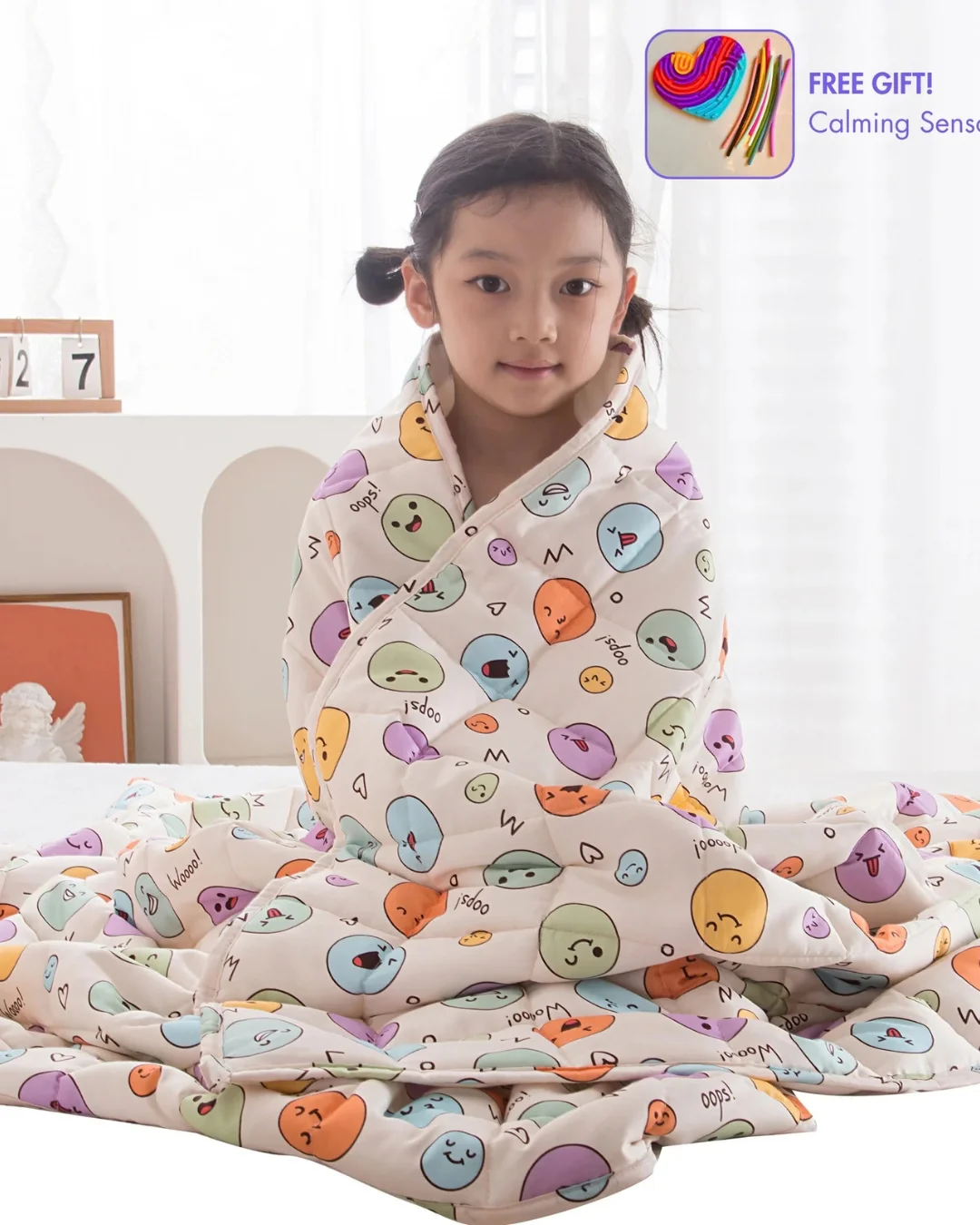
If you or your child lives with sensitive skin or eczema, bedding is never just bedding. A rough seam, a trapped bit of heat, or a leftover trace of detergent can turn a restful night into a scratchy one. A weighted blanket adds another layer of questions, since it sits heavier and closer to the skin than a regular quilt.
Bamboo covers are often recommended for this reason, but the label alone doesn't guarantee comfort. This guide explains what bamboo fabric can realistically offer, which features matter most, and how to use a weighted blanket in a way that is kinder to easily irritated skin.
Why Skin Reacts to Bedding in the First Place
Skin that is prone to eczema tends to have a weaker protective barrier, which makes it more reactive to its surroundings. A few everyday triggers show up again and again in bedrooms:
- Heat and sweat, which can make itching worse overnight
- Rough or scratchy fibres, which rub against dry, inflamed skin
- Detergent and softener residue, which can linger in fabric after washing
- Dyes and finishing chemicals, which some people react to
Keeping these in mind makes it easier to judge any blanket, bamboo or not.
What Bamboo Fabric Can Offer
Smooth, Soft Fibres
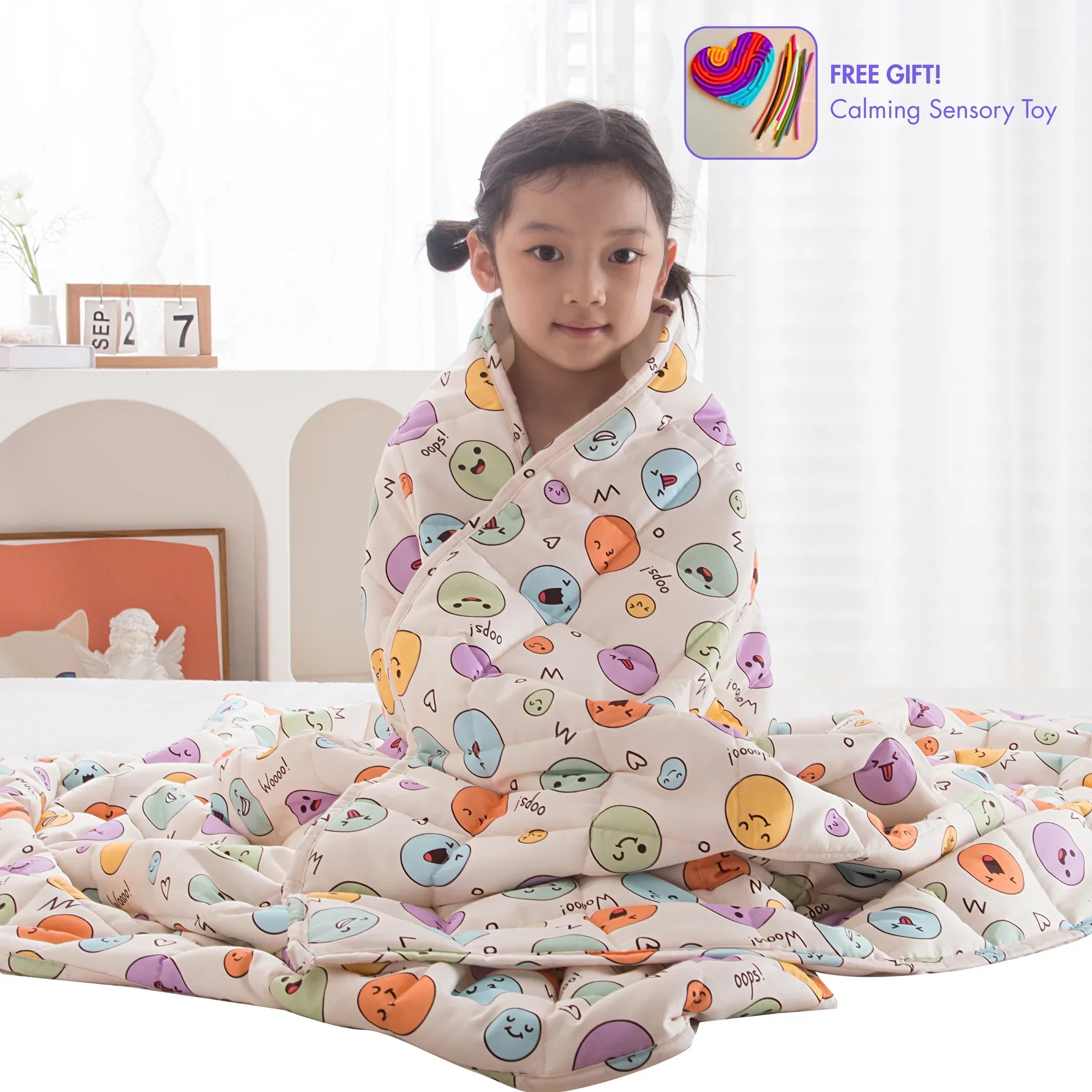
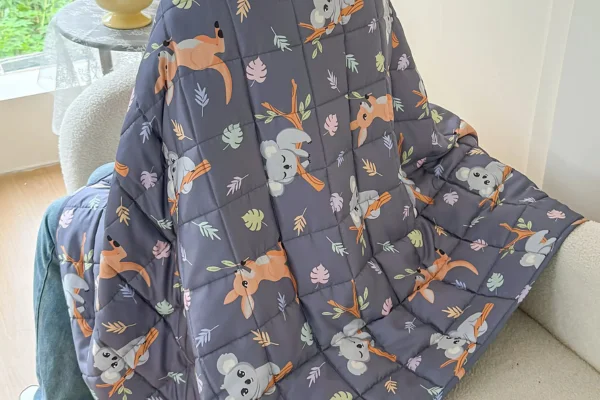
Bamboo-based fabrics are usually made into very fine, rounded fibres, so the surface feels smooth rather than prickly. Many people with sensitive skin find this more comfortable than coarser cotton weaves or textured synthetics. A good little one's bamboo weighted blanket is a helpful example of how a soft cover can make a heavier blanket feel gentle instead of heavy and scratchy.
Breathability and Moisture Handling
Bamboo fabrics tend to feel cool and absorb moisture well, which can help you stay drier through the night. Because heat and sweat are common eczema triggers, this is one of the strongest reasons to consider bamboo for a weighted blanket.
What Bamboo Cannot Do
It is worth being realistic. Bamboo fabric will not treat or cure eczema, and it is not automatically hypoallergenic. The finished fabric is processed from plant cellulose, and the claim that it is naturally antibacterial does not hold up once the fibre has been made into cloth. Think of bamboo as a comfortable, low-friction option, not a medical solution.
Certifications Worth Looking For
Because fabrics go through dyeing and finishing, third-party testing is a useful way to check what has been added to them.
OEKO-TEX Standard 100
This label means the fabric has been tested for a long list of substances that can be harmful to health. It is one of the most common and recognisable certifications for textiles that touch the skin, and it is especially reassuring for children's products.
Other Signs of Quality
Look for brands that clearly state what the cover is made from, using honest wording such as "rayon made from bamboo" or "bamboo lyocell." Clear fabric details, tested fill, and transparent care instructions all point to a more trustworthy product than vague claims like "100% natural."
Choosing the Right Weighted Blanket for Sensitive Skin
Pick a Sensible Weight
A heavier blanket holds more heat against the body, which can aggravate itching. Many families choose a weight on the lighter side of the recommended range and adjust from there. For children, follow the manufacturer's guidance for age and body weight, and check with a doctor or occupational therapist if you are unsure.
Look at Seams, Labels, and Fill
Flat, smooth seams and soft, tag-free labels reduce friction. Fine glass beads are often chosen because they sit in small, evenly stitched pockets and tend to lie flat. Make sure the fill is fully enclosed so nothing escapes through the cover.
Choose a Removable Cover
A removable cover is a big advantage for sensitive skin, since it can be washed frequently without handling the whole blanket. It also protects the inner layer from sweat, skin flakes, and creams.
Washing and Caring for Eczema-Friendly Bedding
Care habits matter nearly as much as the fabric itself. Wash new bedding before first use to remove loose dyes and finishing residue. Use a fragrance-free, mild detergent, skip fabric softener, and add an extra rinse so no soap remains in the fibres. Cool or lukewarm water protects the weave, and air drying or low heat keeps the fabric soft.
For children, a cover washed every couple of weeks is a reasonable starting point, and more often if skin is flaring or the child sweats at night.
Tips for Introducing the Blanket Slowly
Sensitive skin and sensory preferences often go together, so a gradual start works best. Try the blanket during the day first, over the legs while reading or watching a show, before using it at bedtime. Watch for redness, increased itching, or overheating, and stop if skin looks worse.
When to Talk to a Professional
If eczema is severe, flares are frequent, or your child has a medical condition that affects breathing or movement, speak with a doctor or dermatologist before introducing a weighted blanket. They can advise whether it suits your situation and what weight is appropriate.
Final Thoughts
A bamboo weighted blanket can be a soft, breathable choice for sensitive skin, as long as you look beyond the label. Smooth fabric, a sensible weight, tested materials, a removable cover, and gentle washing all work together. Go in with realistic expectations, watch how skin responds, and let comfort guide the choice.