Sign up with Google
 Sign in with Zoho

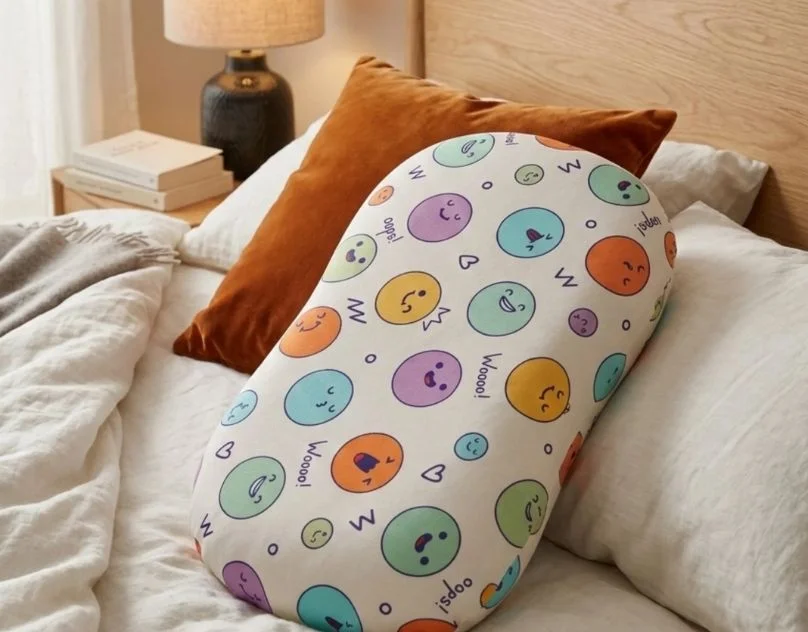
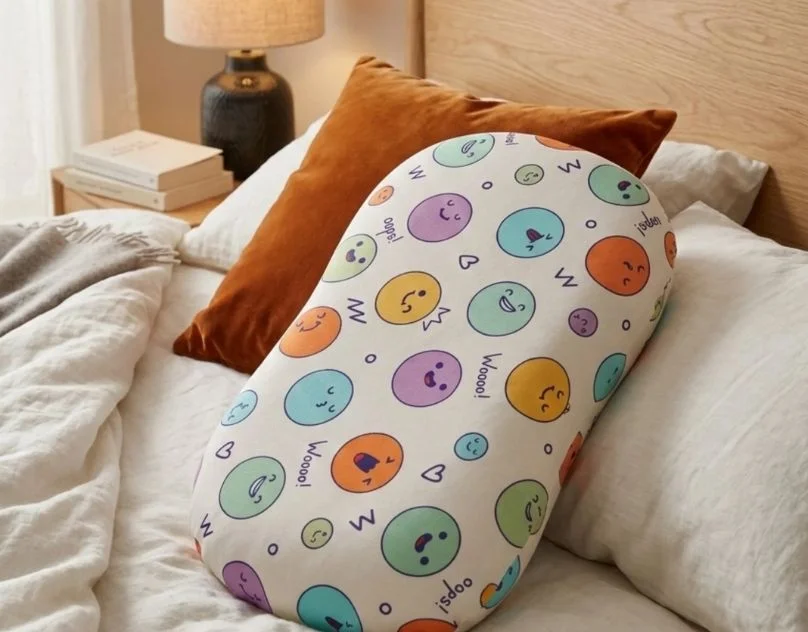
Walk down the bedding aisle and you’ll find a wall of pillows, all promising better sleep. For parents of school-aged kids, the choice often comes down to two options: a traditional fibre or feather-style pillow or memory foam. Both can work, but they behave very differently overnight. Here’s how they compare on the things that matter most for a growing child.
What Is the Difference Between Memory Foam and Regular Pillows?
A regular pillow is usually filled with polyester fibre, microfibre, down, or feathers. It’s soft and fluffy, and it moves around as your child shifts in their sleep. Memory foam is a dense, responsive material that slowly moulds to the shape of the head and neck, then returns to its original form once the pressure is gone. One cushions, the other contours. That single difference shapes almost everything else below.
Support and Spinal Alignment
Support is where the two types differ most, and it’s the main reason many parents start looking at kids memory foam pillows for growing necks and shoulders.
How Regular Pillows Perform
Fibre pillows feel cosy at first, but they tend to flatten as the night goes on. A child who starts with their head nicely propped can end up with it sunk too low by midnight, which may leave the neck at an awkward angle. Many kids also scrunch or fold a soft pillow into a shape that suits them, then wake up with it bunched in a corner.
How Memory Foam Performs
Memory foam holds its shape, so the support at 9 pm is much the same as at 3 am. It cradles the curve of the neck and keeps the head in a more neutral position with the spine. For children whose bodies are still developing, that steady, even support is a real advantage. A pillow designed specifically for kids matters here too, since adult-sized foam pillows are often too tall for a small child.
Shape Retention and Lifespan
Regular pillows lose their loft over time and often need replacing every year or so, or sooner if they go lumpy. Memory foam usually lasts longer, commonly two to three years, because it springs back rather than packing down. A simple test is to fold the pillow in half. If it stays folded instead of bouncing back, the foam has had its day. Whichever type you choose, it’s worth checking your child’s pillow regularly, because kids can be tough on bedding.
Allergens and Sensitive Sleepers
If your child has allergies or a sensitive nose, the filling matters. Feather and down pillows can trap dust mites and trigger sneezing, itchiness, or a blocked nose for some children. Memory foam has a dense structure that dust mites find harder to settle into, which is why many families with sensitive kids prefer it. Either way, washing the pillow cover often helps. A removable, machine-washable cover makes this much easier than trying to wash the whole pillow.
Breathability and Temperature
This is where regular pillows have traditionally won. Fibre fills let air move through freely, while older memory foam had a reputation for trapping heat. That’s a fair concern, especially in an Australian summer with a child who runs warm. The good news is that modern kids’ memory foam pillows are often paired with breathable covers such as bamboo, which helps keep things cooler. If your child tends to sleep hot, look at the cover fabric as closely as the foam itself.
Comfort and Sensory Needs
Some children are very particular about how things feel. A lumpy, noisy, or shifting pillow can be enough to keep a sensitive sleeper awake. Memory foam is quiet, even, and predictable, which many sensory-sensitive kids find calming. If your child fusses about textures or noises at bedtime, the pillow may be part of the puzzle.
So, Which One Should You Choose?
There’s no single right answer, but a few quick pointers can help.
Memory Foam May Suit Your Child If They:
- Wake with a stiff neck or toss around looking for a comfortable position
- Have allergies or sensitivities to feathers and dust
- Are bothered by lumpy or constantly shifting pillows
- Need steady, consistent support through the night
A Regular Pillow May Suit Your Child If They:
- Love a soft, squishy feel and like to scrunch their pillow
- Run very hot and don’t have a breathable foam option
- Are still young, since a regular, low-profile pillow is often the gentler first step
Timing matters as much as material. Before introducing any pillow, check that your child is ready. Our guide on what age a child can start using a pillow covers how to make the transition safely and what to look for in those first few weeks.
Memory foam is generally considered suitable for children from about two years of age, but it’s worth a quick chat with your paediatrician first, particularly for younger children or those with breathing concerns.
Final Thoughts
For many growing kids, memory foam offers steadier support, a longer-lasting shape, and a better fit for allergy-prone or sensory-sensitive sleepers, while regular pillows win on softness and cool airflow. The best choice depends on your child’s age, sleeping position, and comfort preferences. Start with one pillow, give it a couple of weeks, and let your child’s sleep tell you whether it’s working.