Sign up with Google
 Sign in with Zoho

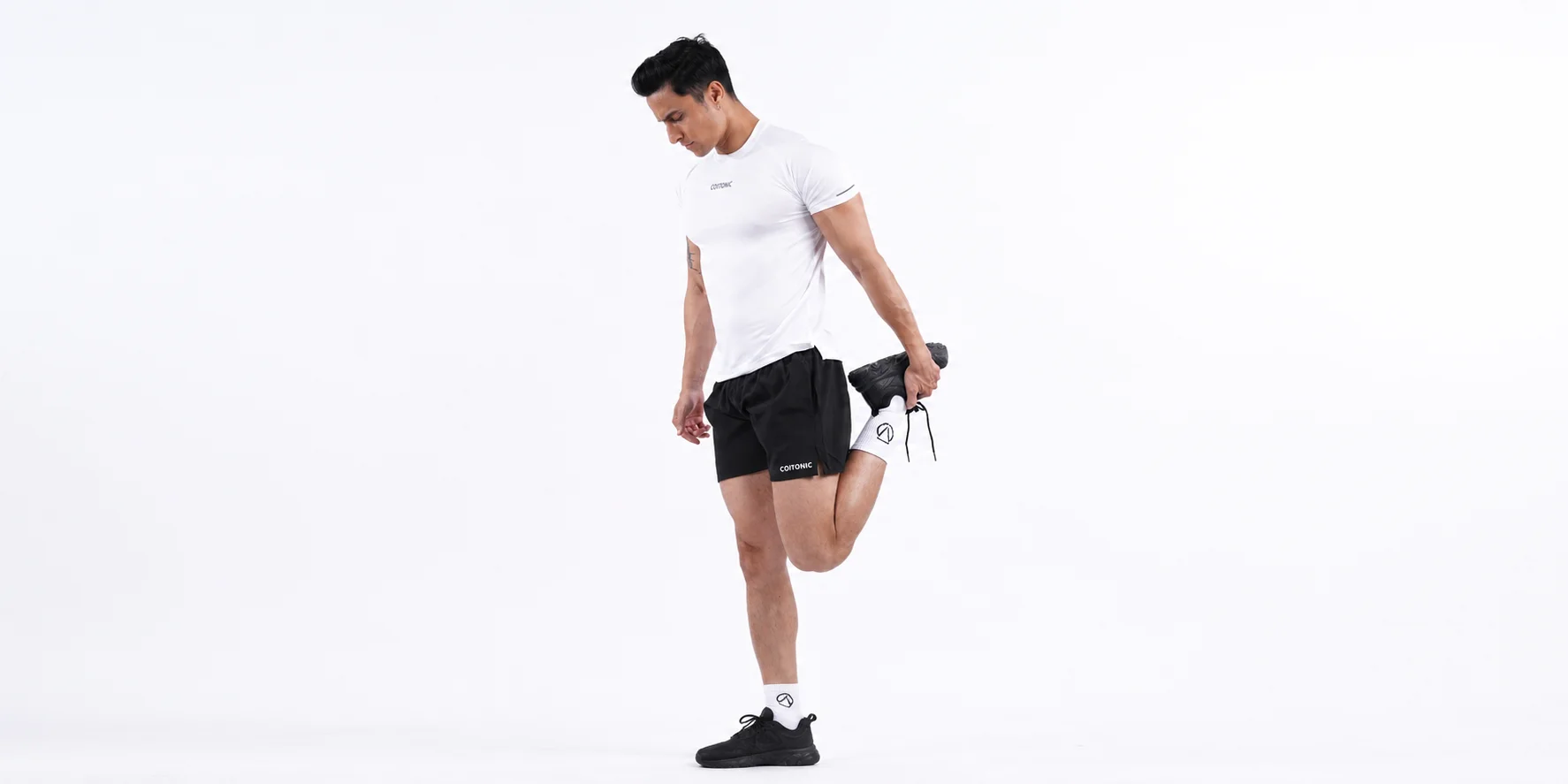
When buying a gym t-shirt, you've probably noticed that many brands highlight Dry-Fit fabric as one of the main features. But what exactly does Dry-Fit mean, and why has it become such a common choice in workout clothing?
The reason is simple: regular clothes are not always designed to handle the amount of sweat produced during exercise. A good workout t-shirt needs to keep you comfortable, allow easy movement, and help manage moisture during intense training.
Dry-Fit fabric is designed specifically for this purpose. It helps move sweat away from your skin, allows it to dry faster, and keeps the clothing feeling lighter during workouts. This makes it a popular choice among gym-goers, runners, and fitness enthusiasts.
Quick Answer
Dry-Fit fabric is a moisture-wicking performance material, usually made from polyester or polyester blends. It works by moving sweat away from the skin and helping it evaporate quickly, making it ideal for gym t-shirts, sportswear, and activewear.
What Is Dry-Fit Fabric?
Dry-Fit is a type of performance fabric created to improve comfort during physical activities. Unlike cotton, which absorbs sweat and holds onto moisture, Dry-Fit fabric is designed to transport sweat away from the body.
The fabric uses specially designed fibres that pull moisture from the skin and spread it across the outer surface of the garment. Once the sweat reaches the surface, it dries more quickly due to better airflow and evaporation.
This process is known as moisture wicking.
The main purpose of Dry-Fit fabric is not to stop sweating—it is to manage sweat better. During exercise, your body naturally produces heat and moisture. A Dry-Fit gym t-shirt helps handle that moisture so you don't feel uncomfortable or weighed down while training.
Today, Dry-Fit fabric is commonly used in:
- Gym t-shirts
- Running apparel
- Sports jerseys
- Training tops
- Activewear
How Does Dry-Fit Fabric Work?
The technology behind Dry-Fit fabric is quite simple. It focuses on controlling how sweat interacts with your clothing.
1. Sweat Is Produced During Exercise
When you work out, your body releases sweat to regulate temperature. The harder you train, the more moisture your clothing needs to manage.
2. Moisture Moves Away From Your Skin
Instead of absorbing sweat like cotton, Dry-Fit fibres help move moisture away from your body. This prevents sweat from staying trapped against your skin for a long time.
3. Sweat Dries Faster
Once moisture reaches the outer layer of the fabric, it spreads over a wider area. This allows it to evaporate faster, helping your t-shirt feel drier and more comfortable throughout your workout.
This moisture-management ability is one of the biggest reasons Dry-Fit fabrics are widely used in performance clothing. Whether you're lifting weights, running, or training outdoors, keeping sweat under control can make your workout experience much more comfortable.
Benefits of Dry-Fit Fabric for Gym T-Shirts
Choosing the right workout clothing can make a noticeable difference, especially when your training sessions involve a lot of movement and sweating.
Some key benefits of Dry-Fit fabric include:
Sweat Management
The biggest advantage of Dry-Fit fabric is its ability to move moisture away from the skin. This helps prevent the uncomfortable feeling of wearing a wet, heavy t-shirt after an intense workout.
Quick Drying
Because Dry-Fit materials allow moisture to evaporate faster, they dry much quicker compared to traditional cotton fabrics.
Lightweight Comfort
Dry-Fit gym t-shirts usually feel lighter during exercise because the fabric does not retain sweat for long periods.
Better Workout Experience
A comfortable t-shirt allows you to focus better on your training instead of constantly adjusting clothing that feels damp or restrictive.
Suitable for Hot Weather
For people who train in warm and humid conditions, Dry-Fit fabric can be especially useful because it helps manage sweat and improves overall comfort.
Dry-Fit vs Cotton: Which Fabric Is Better for Gym T-Shirts?
When choosing a gym t-shirt, the debate between Dry-Fit fabric and cotton is quite common. Both materials have their advantages, but they perform differently during workouts.
Cotton is known for being soft and comfortable, which makes it a great option for everyday wear. However, during intense exercise, cotton absorbs sweat and holds onto moisture. This can make the t-shirt feel heavier and less comfortable as your workout continues.
Dry-Fit fabric, on the other hand, is designed for performance. It helps move sweat away from your skin and dries faster, making it more suitable for activities where you sweat a lot.
Here's a quick comparison:
If your focus is strength training, running, HIIT, or regular gym workouts, a Dry-Fit gym t-shirt is usually the more practical choice. For casual wear, relaxed activities, or everyday comfort, cotton can still be a good option.
If you're comparing the two before buying your next workout t-shirt, this detailed guide on Dry-Fit vs Cotton Gym T-Shirts: Which One Should You Actually Buy? explains the differences in comfort, breathability, moisture management, durability, and performance.
When Should You Choose Dry-Fit Fabric?
Dry-Fit fabric works best when sweat management is important. If your workouts involve high intensity, continuous movement, or outdoor training, this type of fabric can help you stay more comfortable.
It is a suitable choice for:
- Weight training
- Running
- HIIT workouts
- Cycling
- Sports activities
- Outdoor workouts
- Training in hot and humid weather
However, choosing the right fabric also depends on personal preference. Some people prefer cotton for lighter activities, while others prefer Dry-Fit because of its lightweight feel and quick-drying properties.
What to Look for Before Buying a Dry-Fit Gym T-Shirt
Not every workout t-shirt offers the same level of comfort and performance. Before purchasing a Dry-Fit gym t-shirt, consider these factors:
✔ Moisture-wicking fabric: Helps manage sweat during exercise.
✔ Comfortable fit: The t-shirt should allow free movement without feeling too tight or restrictive.
✔ Breathable design: Good airflow helps improve comfort during longer sessions.
✔ Stretch and flexibility: A little stretch can make movements like squats, presses, and stretches easier.
✔ Quality stitching: Strong construction improves durability and helps the t-shirt last longer.
Final Thoughts
Dry-Fit fabric has become a popular choice for gym t-shirts because it solves one of the biggest challenges during workouts—managing sweat.
While cotton remains comfortable for casual use, Dry-Fit offers clear advantages when it comes to intense training, running, and active lifestyles. Its moisture-wicking properties, quick-drying ability, and lightweight feel make it a practical option for anyone who wants better comfort during exercise.
Understanding how different fabrics work can help you choose gym wear that matches your training style and keeps you comfortable every time you work out.
For more practical guides on gym clothing, workout apparel, and performance fabrics, explore the Coitonic Blog.
Frequently Asked Questions
1. What is Dry-Fit fabric made of?
Dry-Fit fabric is generally made from polyester or polyester blends. Some fabrics also include materials like spandex or elastane to add stretch and improve flexibility.
2. Is Dry-Fit better than cotton for gym workouts?
For high-intensity workouts, Dry-Fit is usually a better choice because it dries quickly, manages sweat effectively, and stays lightweight. Cotton is better suited for casual wear and low-intensity activities.
3. Does Dry-Fit fabric absorb sweat?
No. Dry-Fit fabric does not absorb sweat like cotton. Instead, it moves moisture away from the skin and helps it evaporate faster.
4. Is Dry-Fit fabric good for hot weather?
Yes. Dry-Fit is especially useful in hot and humid conditions because it helps manage sweat and keeps the fabric feeling lighter during workouts.
5. Can Dry-Fit t-shirts be used for running and strength training?
Yes. Dry-Fit gym t-shirts are commonly used for running, weight training, HIIT, and other activities where comfort and moisture control are important.