Sign up with Google
 Sign in with Zoho

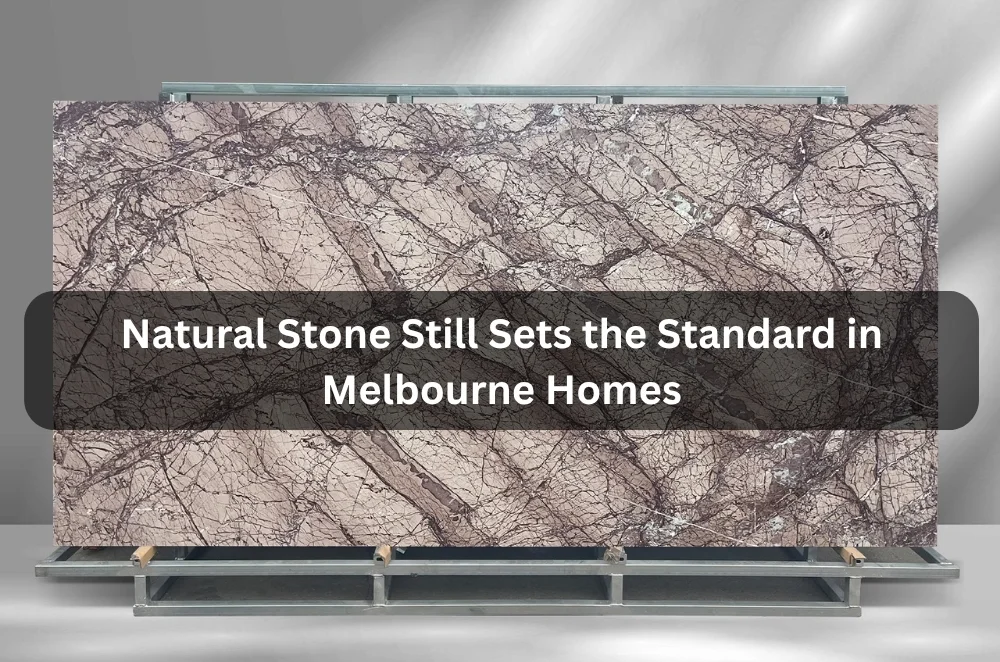
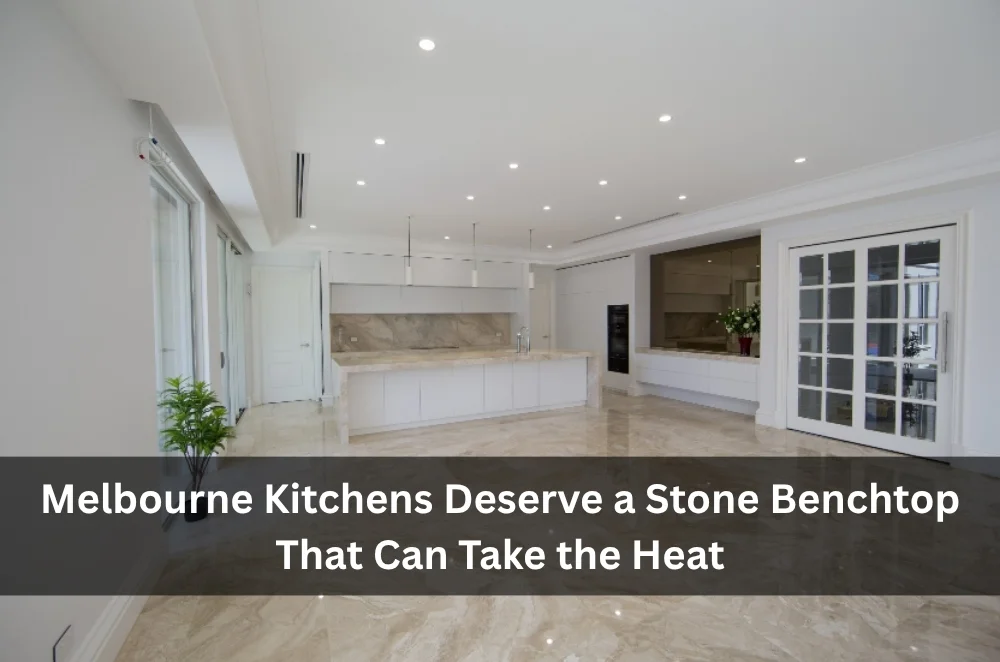
Melbourne architects ride the edge of contemporary design, yet one material never falls out of favour: natural stone. Walk through any new townhouse in Carlton or a remodelled warehouse in Collingwood and you will spot marble splash-backs, travertine pavers or a dramatic granite island anchoring the room. Clients ask for it by name because stone promises longevity, individuality and a tactile warmth that faux surfaces rarely match.
Why Designers Keep Reaching for Stone
Fashion cycles come and go, but limestone and marble never look dated. Their colour variation and veining act as a silent provenance stamp; every slab is unique, so your benchtop will never twin with the neighbour’s. The material also wears in, rather than out, developing a soft patina instead of the brittle delamination you see in some engineered surfaces.
Thermal mass is another pragmatic tick box. Thick stone soaks up heat during Melbourne’s hot afternoons and releases it slowly after sunset, flattening temperature swings inside a terrace renovation. That passive performance adds to energy-efficiency ratings without the visual compromise of bulkier insulation tricks.
Because supply chains have matured, specifying stone is no longer a logistical headache. Lead times are predictable and fabricators have CNC gear that handles curved edges or integrated drainage grooves with millimetre precision. The result is joinery-grade detailing cut from solid rock.
Early in a renovation’s planning stage, builders and designers often shortlist showrooms to lock in colour palettes. Sourcing from Melbourne’s trusted natural stone supplier allows them to reserve a specific bundle of slabs, guaranteeing continuity across every room. Securing supply this way prevents last-minute scrambling when a chosen marble suddenly sells out.
Matching Stone Types to High-Traffic Spaces
A common misconception is that all stone behaves the same once sealed. Density, porosity and mineral composition swing wildly between varieties, so picking the wrong one can turn maintenance into a full-time hobby.
Granite copes with dropped cookware and hot pots better than marble. Its quartz content delivers hardness just shy of engineered quartzite while staying visually organic. Families with toddlers often prefer a leather-finished granite island because fingerprints vanish against the subtle texture.
Marble wins in bathrooms where its softer structure is protected from heavy knocks. The stone’s calcium carbonate base reacts with acidic cleaners, so professionals recommend pH-neutral products. In practice, that means swapping vinegar spray for a specialist cleaner, a small adjustment for the aesthetic payoff.
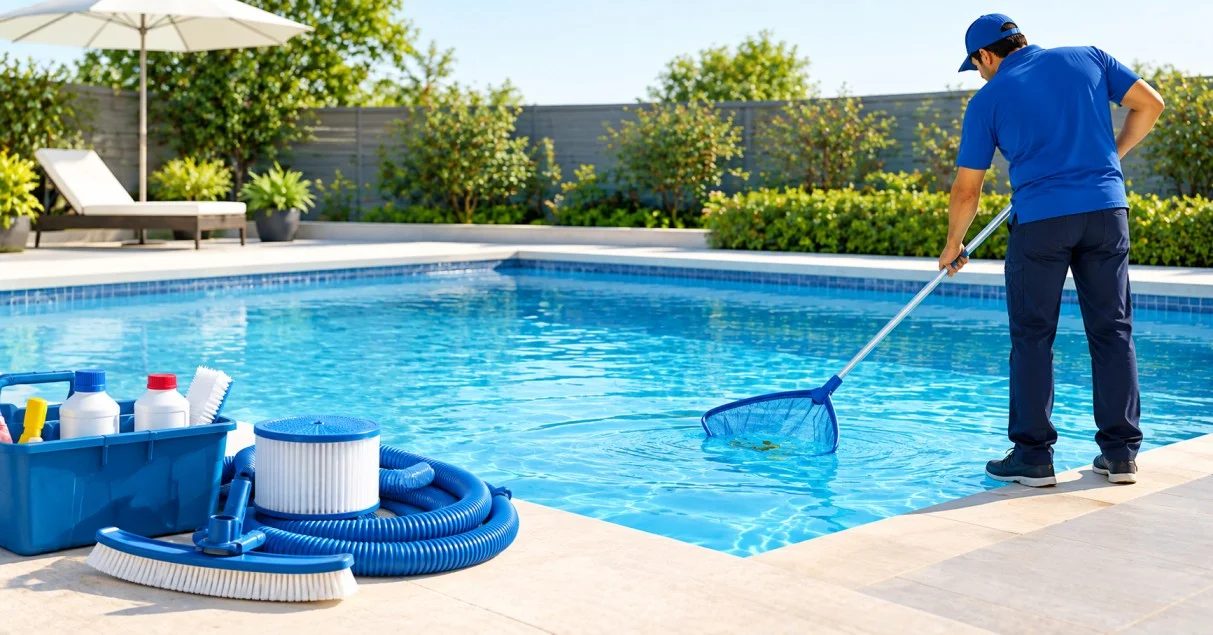
Travertine excels outdoors. Its honeycomb voids diffuse glare on sun-soaked patios, and honed surfaces remain comfortable under bare feet during scorching January afternoons. Choose filled and honed tiles near pool coping to keep cleaning straightforward.
For readers weighing options, an internal comparison helps. This mid-project guide on stone selection — comparing natural stone and ceramic tiles — details budget and durability factors without the marketing fluff.
Sustainability: Beyond the Quarry
Stone’s green credentials hinge on two points: lifespan and embodied energy. Extraction is undeniably resource-heavy, but a benchtop that lasts fifty years outperforms a composite surface replaced twice in that span. Reclaimed bluestone laneways across Melbourne prove reuse potential; those same pavers outlive asphalt by decades.
Transport footprints have shrunk too. Australian quarries produce sandstone, bluestone and granite, trimming import miles. Meanwhile, European suppliers now ship via low-emission vessels and offer full chain-of-custody documentation. Designers can track every slab back to a responsible quarry, satisfying tightening environmental reporting on government builds.
Standards are codifying best practice. The Green Building Council of Australia recognises Global GreenTag certification, and major quarries are signing up. Current guidance from the Australian Institute of Architects summarises life-cycle impacts in its material notes — see the latest release at Architecture Australia.
Practical Care Tips That Outlast Trends
Stone care folklore ranges from leaving red wine spills overnight (bad idea) to avoiding any soap at all (overkill). Real-world maintenance sits somewhere in the middle:
- Seal porous varieties like marble or limestone on install, then every two to three years. The job takes an afternoon and extends stain resistance dramatically.
- Wipe acidic food spills — citrus, tomato sauce, wine — quickly. Etching is chemical, not wear-related, so no sealant stops it completely.
- Choose cutting boards over benchtop samurai sessions. Granite laughs off most knife marks, but blades dull faster than on timber.
- Mild pH-balanced cleaners outperform harsh sprays. Check the label for “stone safe” wording to dodge dull patches.
When resurfacing is inevitable, skilled polishers can hone or refinish solid stone multiple times. That refurbishment loop is why heritage buildings keep their original staircases after a century of foot traffic.
When Professional Help Pays Off
DIY stone installs tempt budget-conscious renovators, yet even a minor angle misread can ripple through cabinetry fit and splash-back alignment. Professional stonemasons mitigate those accumulative tolerances, laser-templating sinks and cooktop cut-outs before committing to the saw. They also own the lifting frames and suction equipment needed to manoeuvre quartersawn slabs in tight inner-city stairwells.
Fabricators increasingly offer turnkey packages: measure, cut, finish, deliver and install within a fortnight. That speed compresses project timelines, freeing trades to start plumbing or electrical rough-ins earlier.
Stone isn’t fragile, but it is heavy and unforgiving if dropped. Insurance claims for chipped corners rarely cover the real frustration — waiting four weeks for a replacement cut only to discover the quarry batch has changed hue. Bringing specialists onboard sidesteps those headaches and keeps schedules intact.
A Material With Long-Term Appeal
Trends pivot every season, yet natural stone keeps its footing because it delivers on three fronts: aesthetics, performance and permanence. The surface under your coffee cup this morning could be the same one your grandkids lean against in 2076, lightly worn but still unmistakably Australian marble or imported Carrara.
Melbourne’s climate, with its crisp winters and oven-hot summers, rewards materials that moderate temperature and age gracefully. Stone rises to that brief without sacrificing visual flexibility. Whether you favour dark granite austerity or the soft clouds of honed limestone, there’s a geological chapter waiting to be written into your floor plan.
FAQs
Does natural stone scratch easily?
Harder stones like granite resist scratching well, while softer options such as marble can mark under sharp objects. Using chopping boards and felt pads under appliances minimises risk.
How much maintenance does travertine need outdoors?
Once sealed, travertine mainly needs the occasional hose-down and a pH-neutral wash if leaf tannins build up. Reseal high-traffic areas every two to three Melbourne summers.
Can I put hot pans straight on a stone benchtop?
Granite generally tolerates heat, but sudden thermal shock can still leave a hairline crack. A trivet remains the safer habit for any surface, including stone.
Is locally quarried stone available around Melbourne?
Yes. Victorian bluestone and several sandstones come from regional quarries, reducing freight kilometres and supporting local employment while offering distinctive colour palettes.