Sign up with Google
 Sign in with Zoho

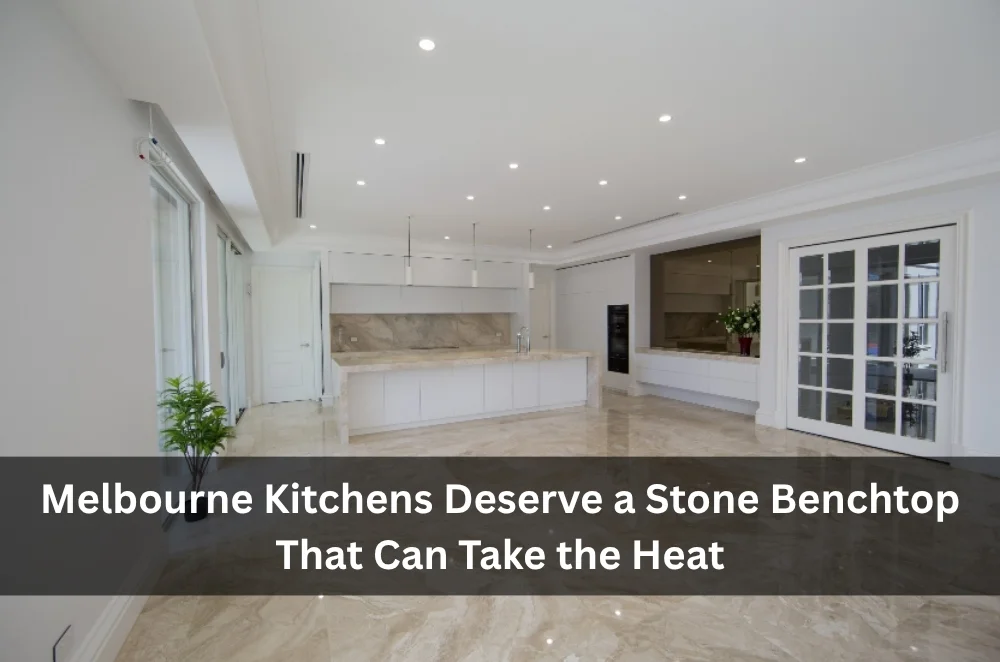
Saturday night, the pasta pot is at full boil, the garlic bread tray slides straight from the oven to the counter, and someone always spills red wine while plating up. A busy Melbourne kitchen can be a punishing place for any surface. That’s why more renovators are turning to natural and engineered stone for their benchtops. They want resilience without losing that designer edge.
Matching the right slab to the way you actually cook is where many projects go off track. Pick purely on colour and you might end up babying a delicate surface for the next decade. Focus only on price and the space can date quicker than the mortgage paperwork clears. The sweet spot is a material that looks sharp now, holds value later and stays low-maintenance in between.
Why Start With the Supplier, Not the Slab
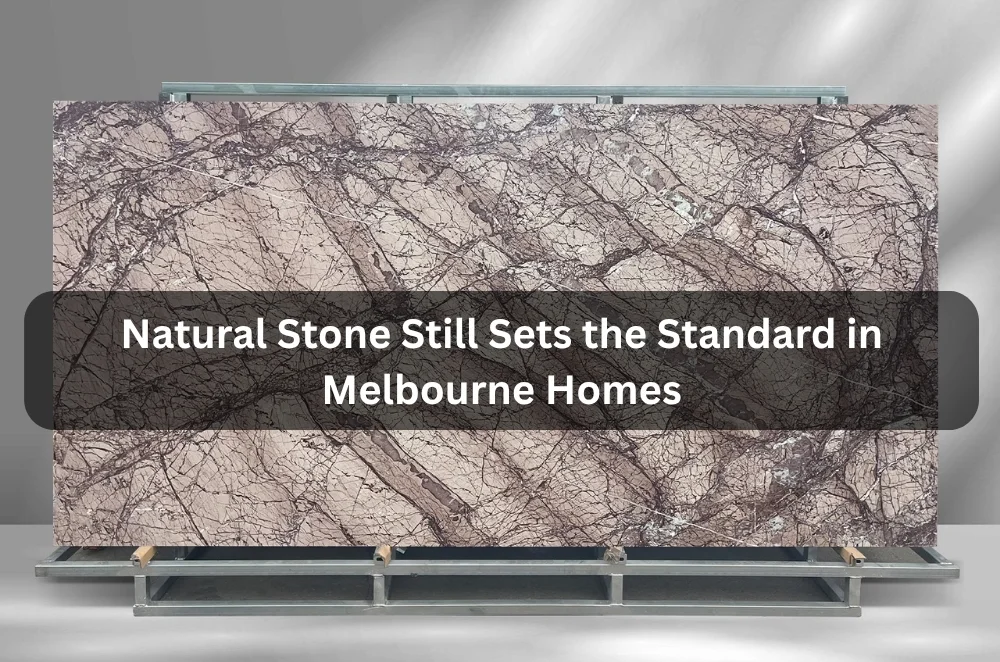
Showrooms are dazzling, but longevity comes down to what happens before the slab even leaves the yard. A kitchen remodeller serious about performance will shortlist an experienced stone benchtop supplier in Melbourne who can trace each block’s origin, moisture content and fabrication limitations. Suppliers with a deep catalogue often stock the same colourway across multiple stone families, giving you room to trade up or down the durability scale without blowing the palette.
Importantly, a reputable wholesaler pressure-tests their logistics network. Delivering a 200-kilogram bench through a Victorian terrace hallway is a different kettle of fish to craning it into an open-plan Bayside build. Ask about lead times, edge-profile options and whether they pre-seal porous stones before dispatch. Those practical touches are worth more than the glossiest brochure.
Granite, Marble, Quartzite or Porcelain? Assessing the Trade-Offs
Natural stone isn’t one big category. Each type handles heat, staining and impact in its own way.
- Granite remains the workhorse. Its crystalline structure shrugs off hot pans and most acids, and mid-range colours disguise everyday crumbs. Choose a lighter polish if you’re bothered by micro-pitting; it masks reflections.
- Marble brings unmatched veining but needs routine sealing. If you love that patina café-counter look, marble ages gracefully. If uniform perfection is the goal, look elsewhere.
- Quartzite, not to be confused with engineered quartz, rivals granite for hardness yet keeps marble-like movement. It’s popular for statement islands where you still plan on cooking, not just serving cocktails.
- Sintered porcelain slabs entered the market promising near-bulletproof performance. They tick the UV-stable box for alfresco kitchens, though edge chipping can be a hazard if your household is rough on crockery.
A side-by-side comparison helps clarify the gaps.
*Pricing shifts with thickness and rarity but this ballpark guides early budgeting.
Budget Isn’t Just About the Slab Cost
Most homeowners focus on price per square metre, yet the labour component can tip the scales. Edge detailing, cut-outs for butler sinks and waterfall ends add fabrication hours. In small kitchens those finishes can dwarf the cost of the raw material.
An often-overlooked fee in Melbourne is disposal of the existing laminate or timber top. Some installers roll it into their quote; others charge extra, especially in upper-storey apartments where stair carry-outs are slow going. Verify what’s included so the invoice doesn’t creep.
If you’re chasing further reading on streamlining renovation costs, the mid-project case studies on a design-build blog unpack how trades sequence can shave days off the schedule. The takeaway is clear: lock in your stone choice early so cabinetry, plumbing and electrical rough-ins don’t have to pause waiting for measurements.
Getting the Measurements Right on the First Pass
Precision templating can feel tedious, but every millimetre matters once the stone hits the saw. A seasoned installer will template after cabinets are levelled and fixed, not before. Expect them to check wall straightness, especially in heritage terraces where nothing is truly square.
For overhangs, stick within the slab supplier’s span tables. Too much cantilever without hidden steel support risks hairline cracks where the dishwasher vibrates. If you plan on bar seating, flag the stool height now so the benchtop drop edge isn’t a knee bruiser.
Service trades should also know stone placement dates. Electricians need conduit ready for pop-up power ports; plumbers require enough slack on tapware hoses. Misalignment discovered on install day can snowball into costly re-fabrication.
Day-to-Day Care: Less Effort Than You Think
A new surface inevitably prompts concern about maintenance. The good news is that most modern sealers last longer than they did a decade ago. Warm water, a PH-neutral detergent and a microfibre cloth handle 95 percent of spills. Reserve specialty stone cleaner for the monthly deep wipe to keep the seal intact.
Avoid abrasive pads, not because they’ll dig craters, but because they dull the polish. Felt pads under small appliances stop vibration marks on softer marbles. And if someone does drop a cast-iron skillet, chips can be colour-matched by a stone restorer for far less than replacing an entire section.
For outdoor kitchens, check the manufacturer’s UV resistance data. Some engineered quartz fades under harsh summer light, whereas porcelain and most granites hold their tone. The Building Code advisory on external finishes, available through the Australian Building Codes Board, outlines compliance considerations if you’re connecting the alfresco bench to a fixed roof.
Putting It All Together
A benchtop isn’t a fashion accessory you swap with the seasons. It’s the stage for weeknight dinners, Sunday morning coffees and every snack raid in between. Choosing the right material begins with a transparent supplier who matches stone performance to household habits. Granite or quartzite might sound overkill until you tally the heat shocks and red wine splashes a family kitchen sees in a single month. Equally, a well-sealed marble can thrive when the space is more about entertaining than high-volume cooking.
Map out the practicalities—edge profiles, hidden brackets, sealing schedules—then weigh them against the aesthetic you’re chasing. Do that, and the counter will still look right at home the day you hand the keys to the next owner.
FAQs
Does natural stone add resale value to a Melbourne property?
Real estate agents consistently report kitchens with quality stone benchtops command stronger buyer interest, especially in inner-city suburbs where space is tight and finishes are scrutinised.
How long does installation usually take once the slab is cut?
For an average U-shaped kitchen, onsite install typically wraps in a single day. Complex mitred waterfall ends or integrated sinks can push it into a second day.
Can I put a boiling pot straight onto a sealed marble surface?
It’s possible but not recommended. Sudden temperature swings may open micro-fissures over time, dulling the polish around the contact zone.
Is there a sustainable stone option?
Some quarries now certify low-impact extraction, and engineered stones with recycled content are on the rise. Ask your supplier for documentation to compare footprints.