Sign up with Google
 Sign in with Zoho

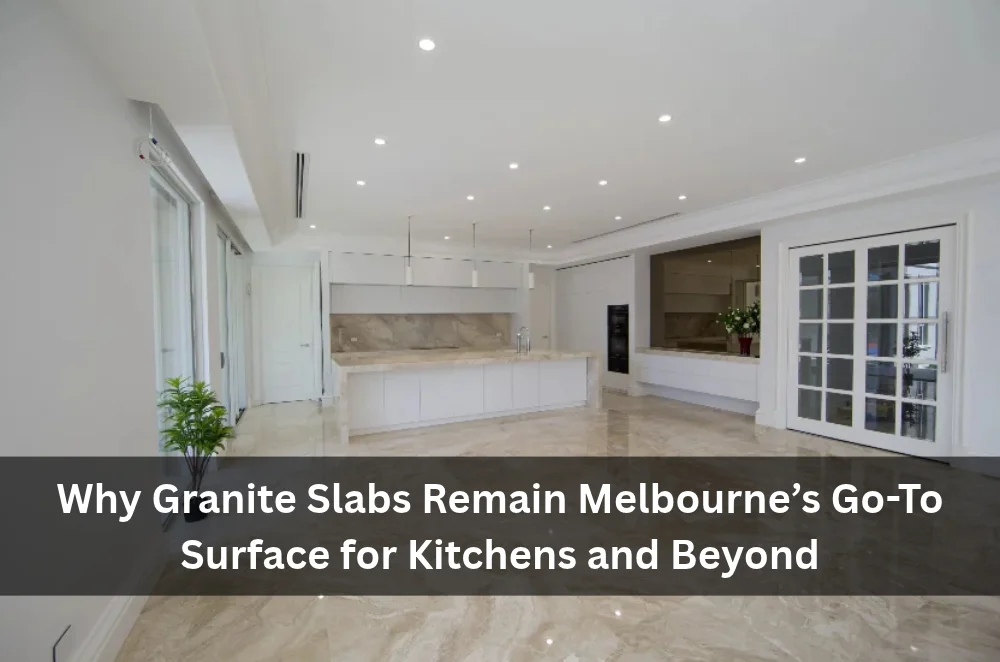
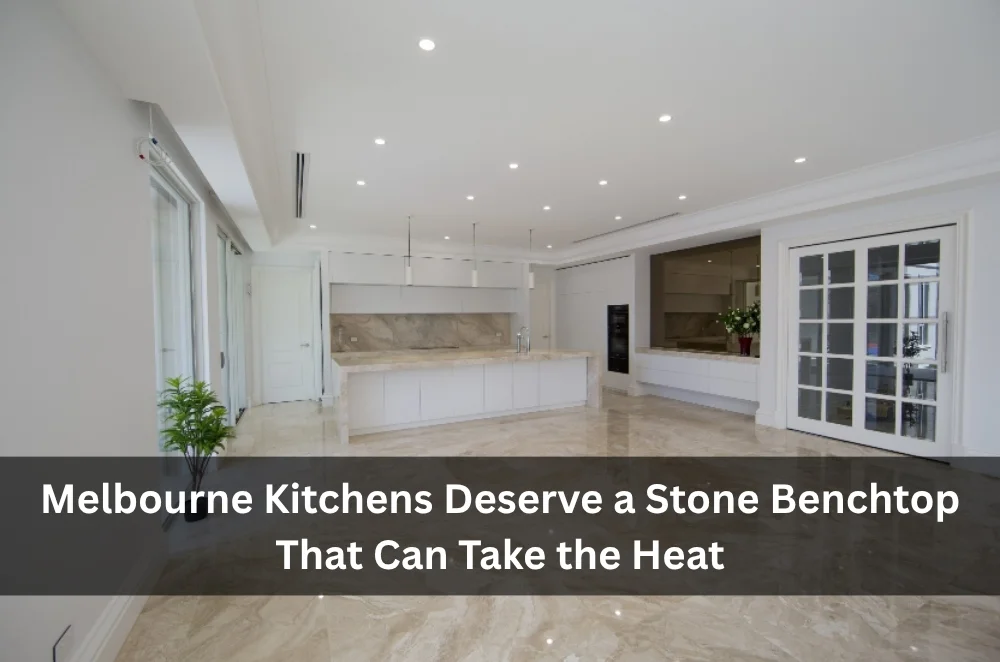
Granite has never been a fleeting design trend. In a city that combines Victorian terraces with cutting-edge architecture, the stone’s mix of durability and natural elegance keeps attracting renovators and builders alike. From family kitchens in Brunswick to alfresco bars on the Mornington Peninsula, granite slabs handle constant use while adding genuine character.
Yet the market is crowded with options. Engineered quartz, porcelain panels and even timber composites all vie for attention. So why does granite still earn a spot on many specification sheets in 2026? Let’s look at what the material offers, how to spot a quality slab and why choosing a reputable granite materials supplier is the difference between a showpiece and ongoing headaches.
Substance That Suits Melbourne Homes
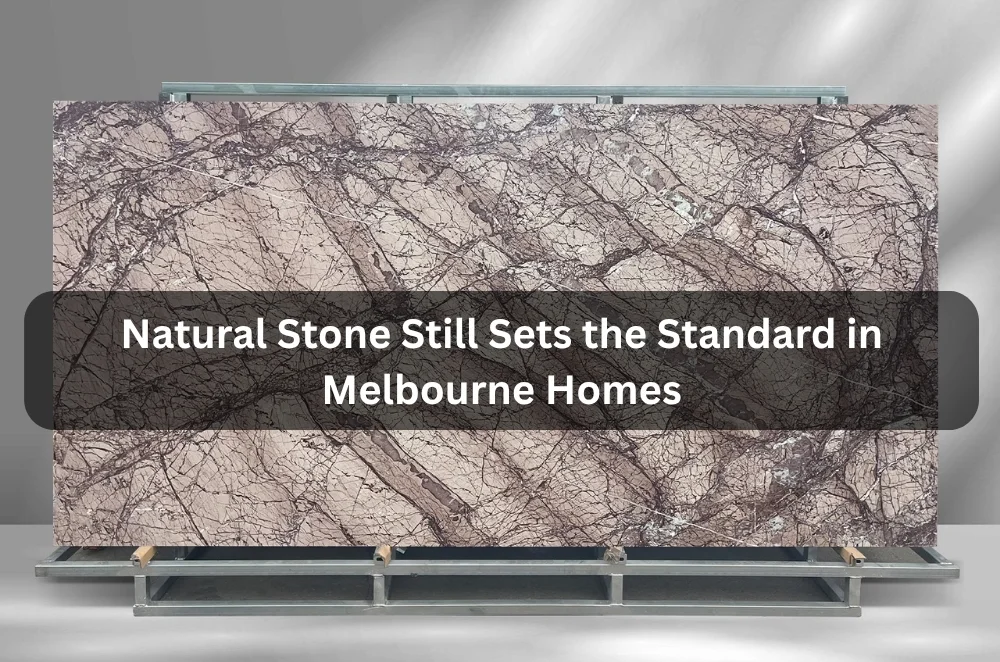
Granite forms under immense pressure deep within the earth’s crust. The resulting interlocking structure gives the stone a density and hardness that shrug off much of the punishment a busy household delivers.
Melbourne’s climate helps too. Wide temperature swings—think crisp winter nights followed by 40-degree summer bursts—can stress some man-made surfaces. Granite’s low coefficient of thermal expansion means benches are less likely to warp or crack when a hot pot meets a chilly morning countertop.
Stain resistance is another practical win. When sealed correctly, granite resists red wine rings, beetroot stains and turmeric spills—regular ingredients in Melbourne kitchens. A quick wipe with pH-neutral cleaner keeps the surface fresh, sparing you the harsh chemicals sometimes needed on softer stones like marble.
Factors That Distinguish Quality Granite Slabs
Not all slabs are equal. Here are details professionals check before signing off on a delivery:
Colour consistencyWhile every slice of granite sports unique veining, big banding shifts or cloudy patches can indicate uneven mineral content that may weaken the stone over time.
Micro-cracks and pittingA small amount of natural pitting is fine; obvious hairline fractures can propagate during fabrication or after installation. Holding a torch at a shallow angle across the face reveals these flaws quickly.
Slab thickness toleranceStandard kitchen slabs in Australia measure 20 mm; some designers specify 30 mm for thicker edge profiles. A reputable yard keeps tolerance tight—usually within 1–2 mm across the full 3 metre length—so installers don’t battle with stepping joints.
Water absorption rateGranite with a lower porosity (<0.4 per cent by volume) is less prone to staining and weathering. Ask for technical data sheets when comparing selections.
Edge testTap the edge lightly with a metal object. A clear ringing sound suggests good internal cohesion, whereas a dull thud may show hidden cracks.
Practical Care Tips for Long-Lasting Beauty
Good suppliers seal slabs before dispatch, but maintenance is straightforward:
- Wipe spills promptly with mild detergent.
- Avoid leaving acidic foods—citrus juice, vinegar—on the surface longer than necessary.
- Reseal annually in high-traffic kitchens; every second year works for bathrooms or laundry tops.
- Skip abrasive scrubs. A soft microfibre cloth and warm water are usually enough.
- Use boards for heavy chopping. Granite is tough, but your knives will thank you.
Melbourne homeowners often ask whether sealing locks in the stone’s natural breathability. Modern penetrating sealers absorb into microscopic pores rather than forming a plastic film, so the surface still “breathes” while resisting stains.
When Expert Suppliers Make All the Difference
Selecting an eye-catching slab is only half the job. Logistics, storage and fabrication advice separate a smooth project from one plagued by delays.
Experienced yards track quarry batches, so colour matches between multiple slabs stay tight—a crucial point for large island benches or waterfall ends. They also coordinate with stonemasons on cut diagrams, reducing waste and ensuring grain runs align across joins.
If you need specific edge profiles—say, a pencil round for a heritage home or a shark-nose to create a floating look—an established supplier can suggest fabricators who tackle those profiles all the time. That network saves hours of phone calls and onsite adjustments.
Finally, Melbourne’s building regulations treat stone dust as a health hazard. Reputable suppliers brief contractors on wet-cutting practices and on-tool extraction, keeping worksites compliant without slowing progress.
A Material Built to Last
Granite’s staying power comes down to a mix of inherent strength and genuine individuality. No engineered sheet quite replicates the depth of a natural slab forged over millions of years. Maintain the surface sensibly and it will carry the bumps, spills and temperature swings of daily life without fuss.
Choosing the right slab and the right supplier lays that foundation from day one. With the groundwork sorted, you’re free to enjoy a kitchen, bathroom or outdoor space that still looks fresh long after the latest design fad has come and gone.
FAQs
Do granite benchtops need special cleaning products?
Standard pH-neutral dishwashing liquid mixed with warm water handles most jobs. Skip bleach or oven cleaners—those can strip the sealer prematurely.
Can I place hot pans directly on granite?
Brief contact rarely harms dense granite, but using a trivet is wise if the cookware exceeds 200 °C or will sit for more than a few seconds.
How long does installation usually take?
For an average kitchen with one island and two runs of cabinetry, stonemasons often template on day one and fit polished slabs within two weeks, depending on workshop load.
Is granite environmentally friendly compared with engineered stone?
Granite requires quarrying and transport, yet it contains no added resins and lasts decades—sometimes outlasting the building itself. Reclaimed slabs are increasingly reused in new projects, lowering lifetime impact.