Sign up with Google
 Sign in with Zoho
.webp)
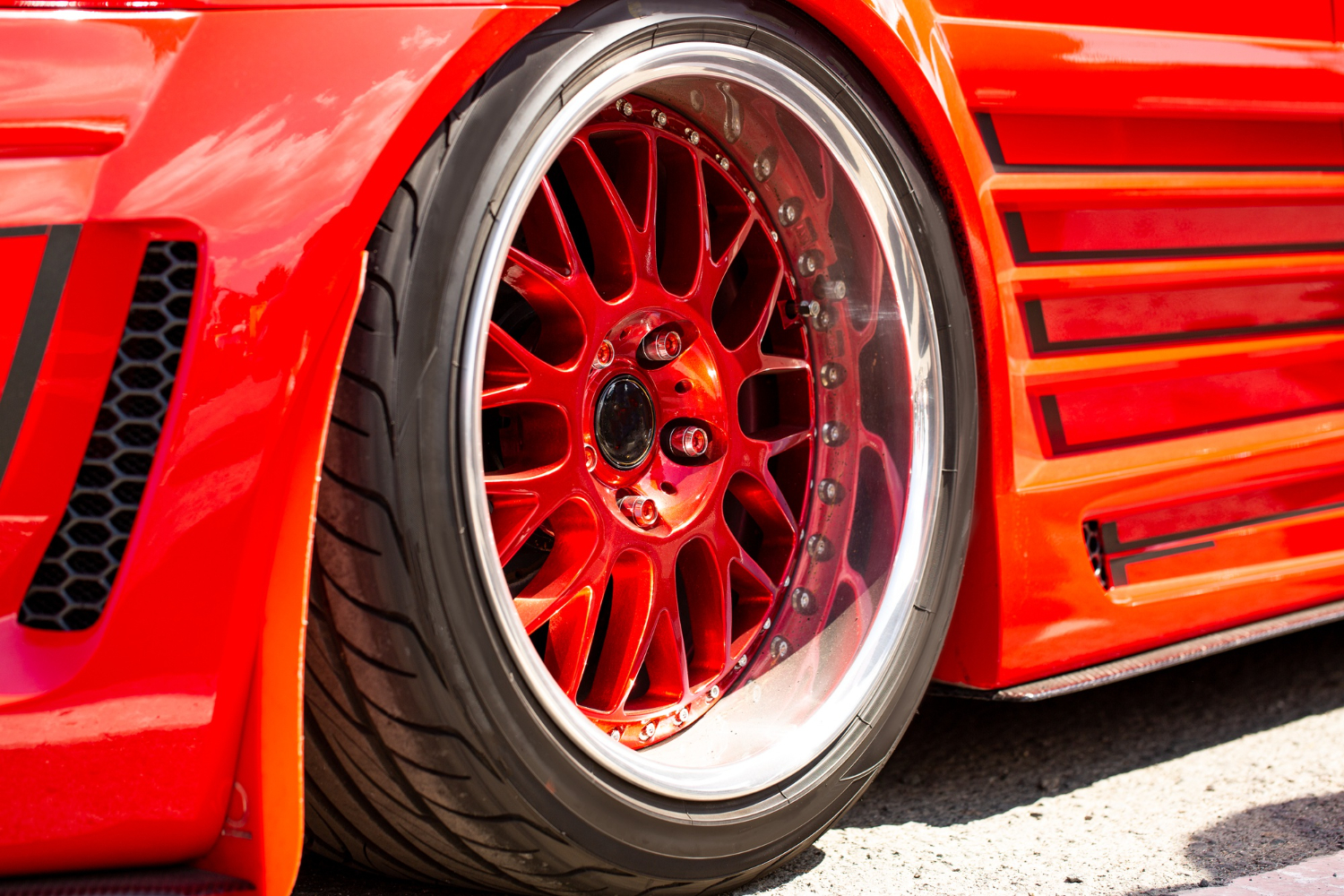
Your car’s wheels often take the brunt of daily driving, from kerb scrapes and potholes to weather exposure and road debris. Over time, alloy wheels can lose their original shine, leaving your vehicle looking older and less cared-for. Alloy wheel refurbishment is a professional service designed to restore the wheels’ appearance, making them look as good as new while maintaining their structural integrity. Whether you’re considering it to improve your car’s aesthetics or to increase resale value, understanding alloy wheel refurbishment can save you time, money, and unnecessary stress.
Alloy wheel refurbishment isn’t just about looks. It also prevents further corrosion, strengthens weakened areas, and protects your investment. In this article, we explore the process, benefits, cost factors, practical tips, and common mistakes to avoid. By the end, you’ll have a clear understanding of why alloy wheel refurbishment is a smart choice for any car owner.
What is alloy wheel refurbishment
Alloy wheel refurbishment is the professional process of repairing, restoring, and finishing your car’s alloy wheels. The main goal is to bring damaged or worn wheels back to their original condition. The process generally involves the following steps:
- Inspection: A thorough assessment to identify scratches, dents, corrosion, or structural damage.
- Repair: Techniques such as sanding, filling, welding cracks, and straightening bends.
- Refinishing: Repainting, powder coating, or polishing to restore the original shine.
- Protection: Applying a clear coat or sealant to prevent future damage and make cleaning easier.
The result is a set of wheels that look visually appealing and are protected against the elements. Even if your alloys have been badly scratched or oxidised, professional refurbishment can often restore them close to their original factory condition.
Benefits of alloy wheel refurbishment
Investing in alloy wheel refurbishment comes with several advantages that go beyond improving aesthetics:
- Cost-effective solution: Refurbishment is often far cheaper than purchasing brand-new alloy wheels.
- Enhanced appearance: Rejuvenates dull or damaged wheels, giving your car a like-new look.
- Improved durability: Protective coatings help prevent corrosion, scratches, and minor impacts.
- Environmentally friendly: Repairing existing wheels reduces waste and supports sustainability.
- Resale value boost: Clean and well-maintained wheels can make a positive impression on potential buyers.
- Safety benefits: Properly repaired wheels maintain structural integrity, reducing the risk of failures.
Regular refurbishment can prevent minor imperfections from worsening, saving money in the long term. For drivers who take pride in their car’s appearance, this service is a straightforward way to maintain a polished, professional look.
Factors affecting refurbish alloy wheels price
A common question among car owners is about cost. The refurbish alloy wheels price depends on multiple factors:
- Extent of damage: Deep scratches, bends, or corrosion require more work and materials.
- Wheel size and style: Larger or multi-piece alloys may take longer to repair and finish.
- Refinishing method: Powder coating usually costs more than simple painting but lasts longer.
- Location and service provider: Prices vary based on geography; for example, alloy wheel refurbishment Bilston or alloy wheel refurbishment West Midlands may have different rates.
- Service quality: Experienced and certified technicians may charge higher but deliver superior results.
On average, you can expect to pay between £50 and £150 per wheel, though this can rise if the wheels have extensive damage. It’s wise to prioritise value over the cheapest price to ensure long-lasting results.
Choosing the right alloy wheel refurbishment service in Bilston and West Midlands
Finding a trustworthy service provider is essential. When looking for alloy wheel refurbishment Bilston or alloy wheel refurbishment West Midlands, consider these tips:
- Experience matters: Ensure the technicians have proven expertise with various alloy types and damage levels.
- Check portfolios: Before-and-after photos reveal the quality of their work.
- Compare prices carefully: Avoid choosing purely on cost; cheaper options may use substandard materials.
- Warranties and guarantees: A reputable service should offer warranties for repairs and finishes.
- Local reputation: Recommendations from local car owners and online reviews can help identify reliable providers.
Choosing the right professional ensures your wheels are repaired safely, retain structural integrity, and look flawless.
Practical tips for maintaining refurbished alloy wheels
After refurbishment, proper maintenance is key to prolonging the finish and protecting your investment:
- Regular cleaning: Wash wheels with mild soap and water to remove dirt and brake dust.
- Avoid harsh chemicals: Acidic or abrasive cleaners can damage coatings.
- Check tire pressure: Correct pressure reduces stress on rims and prevents bends.
- Inspect frequently: Look for small chips or scratches and address them promptly.
- Mind parking and driving habits: Avoid kerbs and potholes to prevent immediate damage.
- Seasonal care: Consider additional protective coatings in winter months to prevent salt and corrosion damage.
Following these simple steps helps your refurbished wheels retain their shine and extends their life significantly.
Common mistakes to avoid during alloy wheel refurbishment
Even with professional services, some common mistakes can reduce results:
- Choosing the cheapest option: Low-cost services may skimp on materials or techniques.
- Ignoring minor damage: Small scratches can worsen if left untreated before refurbishment.
- Poor maintenance: Neglecting regular cleaning can undo the benefits of refurbishment.
- DIY attempts: Home repair kits rarely achieve professional results and can cause structural issues.
- Skipping protective coating: This layer is essential for long-lasting shine and corrosion resistance.
Avoiding these pitfalls ensures your alloy wheels remain in top condition for years after refurbishment.
Conclusion:
Restoring your car’s wheels through alloy wheel refurbishment not only brings back the original shine but also strengthens durability and enhances resale value. By choosing a professional service in Bilston or the West Midlands and following practical maintenance tips, you can enjoy long-lasting, visually appealing wheels. For car owners looking for a cost-effective, reliable, and professional solution, alloy wheel refurbishment is a smart and worthwhile investment.
FAQs
1. What is the typical cost to refurbish alloy wheels? The refurbish alloy wheels price usually ranges from £50 to £150 per wheel depending on damage, size, and finish type.
2. Can alloy wheel refurbishment fix bent rims? Yes, professional services can straighten minor bends and repair damage while maintaining wheel safety and integrity.
3. Where can I find alloy wheel refurbishment Bilston? Many local garages and specialist workshops in Bilston offer alloy wheel refurbishment. Reviews and portfolios can help ensure quality work.
4. Is alloy wheel refurbishment available across the West Midlands? Yes, certified refurbishment services are available in cities including Birmingham, Wolverhampton, and Bilston, covering most areas of the West Midlands.
5. How long does alloy wheel refurbishment take? Depending on the extent of damage, the process usually takes 1–3 days per set of wheels, including repair, refinishing, and protective coating.