Sign up with Google
 Sign in with Zoho


Your later years, spent alone — harder than most people will ever admit out loud. The social connections that once felt effortless start thinning. Days stretch long. Words get scarce. Plenty of older adults living independently log long stretches of solitude, and that quiet gnaws at mental and physical health in ways that don't announce themselves. The shift from a full, noisy household to something much emptier is gradual — easy to miss until it's already dug in. Routine errands that used to mean bumping into neighbors or trading small talk at the checkout start to feel hollow. So if you're thinking about the future — yours, or someone you love — understanding what different living arrangements actually deliver isn't a luxury. It matters.
The Social Impact of Living Alone in Older Age
Nobody down the hall. No housemates. The absence of daily, unremarkable human contact opens a gap that's genuinely hard to fill on your own. Those spontaneous exchanges — coffee with someone who just wandered in, a shared dinner, even the faint background hum of another person moving through the same space — they're gone. The National Academies of Sciences, Engineering, and Medicine has documented links between social isolation in older adults and higher rates of depression, anxiety, and cognitive decline. But the damage stretches further than mood. Isolation kills motivation for physical activity. It quietly dismantles healthy eating habits. Without anyone else around, the low-key accountability of daily life evaporates — and motivation tends to follow right behind it. Where you live, and how that environment is actually structured, shapes your quality of life far more than most people want to believe.
How Assisted Living Communities Address Isolation
Assisted living communities run on a simple premise: connection shouldn't demand constant effort from you. It's built into the place itself. Group activities, shared dining rooms, common spaces where residents naturally gather — none of that is optional add-on programming. It's the architecture. Exercise classes, hobby groups, game nights, organized outings. You join at whatever level suits you. Beyond the scheduled stuff, staff move through the community all day, which means real human contact even outside formal events. Many communities also run intergenerational programming — volunteers, visitors, outside guests — so your social world doesn't contract to just the people living on your floor. The whole setup lifts the burden of initiation off your shoulders. You don't have to engineer connection from scratch every single morning.
Building Meaningful Relationships and Routine
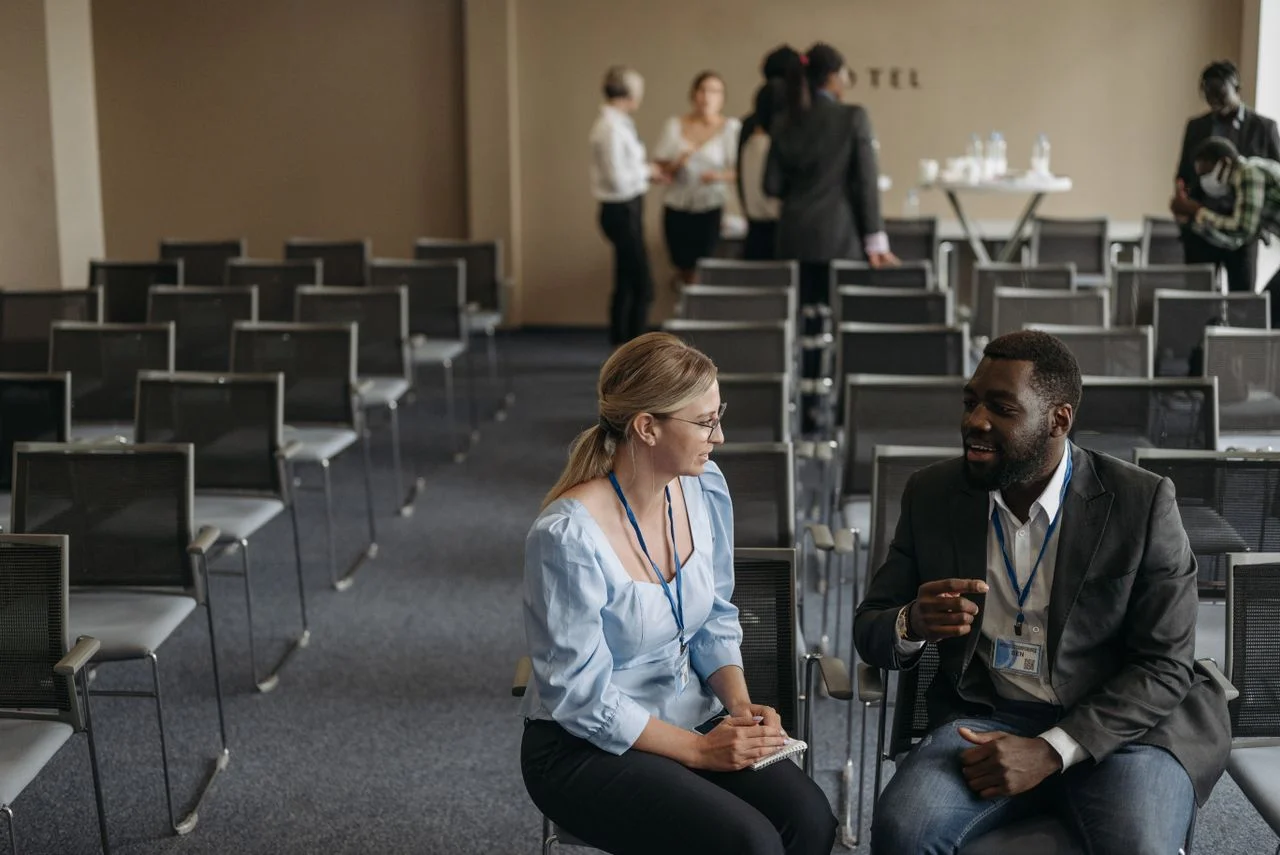
Something genuinely shifts when you see the same faces regularly. Not just nodding acquaintances — actual familiarity. Shared meals become anchors. You sit with someone, talk through the morning, laugh about something small and forgettable. That's not trivial. It's precisely what vanishes when you're living alone and going days without a real conversation. For older adults in Idaho looking for a community where that kind of daily rhythm can take root, assisted living in Burley, ID offers structured social programming, activities coordinators, and consistent chances to build real connections. The predictability matters too — especially when isolation has already started pulling someone toward depression or anxiety. Scheduled meals, activities, communal gatherings: they hand you concrete reasons to show up each day, not just vague advice to "stay connected."
The Role of Staff and Professional Support
Staff do more than keep things running. They notice things. A resident withdrawing, skipping meals, going flat — trained staff catch those signals early and respond, whether that's a gentle nudge toward an activity or a referral to deeper support. Many facilities keep social workers or counselors available for residents working through grief, major transitions, or just the adjustment to community living itself. That's not a small thing. Having someone trained to actually listen — not just during group events but in quieter one-on-one moments — provides a layer of support that simply doesn't exist when you're living alone. Staff also act as connectors, introducing newer residents to people who share their interests or background. The result is a safety net. One that catches you before you've fallen too far — which is exactly what's missing when nobody's checking in at all.
Maintaining Connections Beyond the Community
Moving into assisted living doesn't seal you off from existing relationships. If anything, it tends to free up energy for them. Home maintenance, meal prep, the low-grade stress of managing everything solo — gone. That cleared space translates directly into emotional bandwidth for the people who matter most. Visitors are welcome in common areas. Community events regularly include outside guests. And honestly, many residents find that family and friends visit more often after the move, because the environment is warm and there's always something happening. You gain a community. You don't lose what came before it.
Conclusion
Isolation among older adults living alone is a real health concern — not a lifestyle preference to quietly tolerate. Assisted living confronts it head-on: consistent social opportunities, genuine peer relationships, professional support, and a daily structure that makes engagement the default rather than the exception. Personal autonomy stays intact. You keep making your own decisions. But you stop carrying the entire weight of human connection by yourself. If loneliness is already part of the picture — for you or someone close to you — exploring assisted living isn't purely a logistical question. It's a quality-of-life question. Worth taking seriously.