Sign up with Google
 Sign in with Zoho
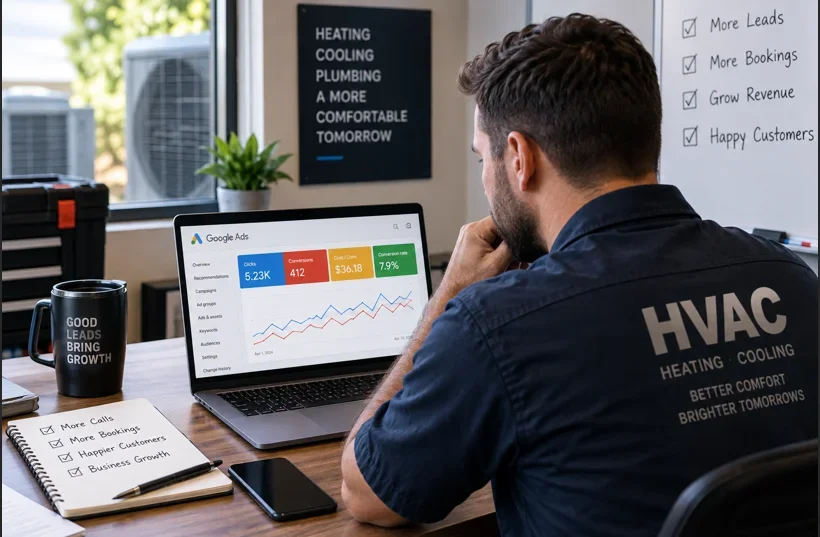
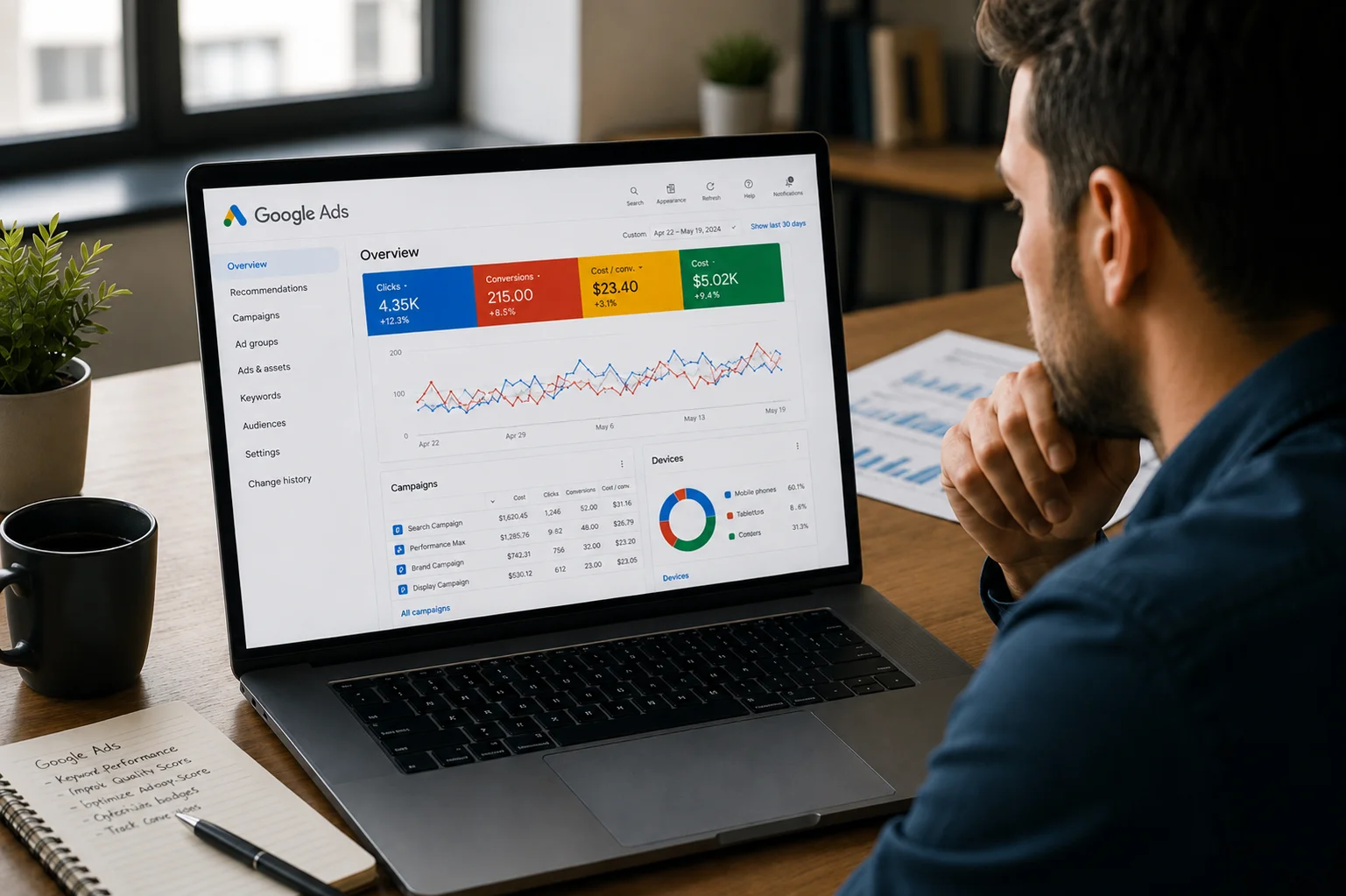
Your Google Ads dashboard says the campaign generated 40 leads last month. Your phone rang, your team answered enquiries, and the advertising report looks encouraging. Yet the number of booked HVAC jobs barely changed.
This is a frustrating situation for an HVAC business owner. You are paying for advertising, but the results are not showing up in the schedule or revenue.
At Adzlance, I look at this as a business problem, not simply an advertising problem. Effective Google Ads management should connect the money spent on clicks to qualified enquiries, booked appointments, and eventually completed jobs. If that connection is missing, more leads may not solve anything.
1. The Campaign Is Attracting the Wrong Type of Enquiry
Not every person searching for HVAC information is ready to hire a contractor. Someone looking for a replacement part, a DIY repair video, or an HVAC technician job may click an ad without having any intention of booking service.
Review the actual search terms, not just the keywords you selected. Separate repair, replacement, installation, and maintenance intent where appropriate. Add negative keywords carefully so irrelevant searches stop consuming budget without excluding genuine customers.
For a deeper explanation of campaign structure, service targeting, and landing pages, see this guide on how HVAC companies can get more leads with Google Ads.
2. Missed Calls Are Turning Paid Leads Into Lost Opportunities
Imagine paying for a click from someone whose air conditioner has stopped working. They call your business, nobody answers, and they contact the next contractor on Google.
The advertising platform may still report a call, but your company did not book a job.
This is why I always want to understand what happens after the phone rings. Are calls answered during advertised hours? Is there a process for returning missed calls? Can the team identify which enquiries came from advertising?
If your company advertises emergency service, make sure the availability promised in the ad matches what your team can actually deliver. A strong campaign cannot compensate for a phone that nobody answers.
3. Your Landing Page Is Not Helping Customers Take Action
A homeowner searching for AC repair should not have to search through your website to find out whether you provide that service.
The landing page should quickly confirm the service, the area covered, and how to request help. A visible phone number, simple form, relevant trust signals, and a mobile-friendly layout can make the next step easier.
Avoid sending every HVAC campaign to a generic homepage. A repair customer and someone comparing a new heat pump have different questions and levels of urgency. Their landing pages should reflect those differences.
4. Your Team Is Not Qualifying and Following Up With Leads
Some HVAC enquiries are ready to book immediately. Others need an estimate, want to compare options, or are planning a replacement several months from now.
If every enquiry is treated the same way, valuable opportunities can disappear.
A simple lead process should record the requested service, location, urgency, appointment status, and reason a lead did not book. For replacement enquiries, follow-up can be particularly important because customers may need time to make a larger purchase decision.
5. Google Ads Is Measuring Leads, Not Booked Jobs
This is one of the most important issues I look for when reviewing lead-generation accounts.
A form submission or phone call is not automatically a qualified customer. If Google Ads is optimized only for those initial actions, the campaign may learn to generate more of them without knowing which ones become valuable jobs.
Where the tracking setup allows it, connect the advertising data to your CRM or booking system. Record qualified leads, booked appointments, completed jobs, and revenue. Then use meaningful offline outcomes to improve measurement and bidding.
Our guide to Google Ads offline conversion tracking explains how businesses can connect advertising activity with outcomes that happen after the initial enquiry.
How Can HVAC Companies Reduce Wasted Google Ads Spend?
Start by identifying where the money is being lost. Review search terms, geographic performance, campaign goals, call handling, landing pages, and lead quality before increasing the budget.
A Google Ads audit can help reveal whether the problem is irrelevant traffic, inaccurate conversion tracking, poor campaign structure, or a gap between enquiries and booked jobs.
For example, if a campaign generates 30 leads at $100 each, the reported cost per lead is $100. But if only six become customers, the advertising cost per acquired customer is $500. That is the number you need to compare with job value, gross margin, and the cost of serving the customer.
This is a planning example, not an HVAC industry benchmark. Your actual numbers will depend on your market, services, close rate, and customer value.
Should HVAC Companies Focus on More Leads or Better Leads?
Better leads should come first when the existing enquiries are not turning into jobs. More volume is useful only when the business can qualify, respond to, and convert those enquiries profitably.
At Adzlance, I prefer reviewing the full path from search to completed job before recommending a larger advertising budget. Sometimes the right move is to scale a profitable campaign. Other times, it is to fix tracking, targeting, or follow-up first.
Turn HVAC Advertising Into Booked Work
Google Ads can bring valuable enquiries to an HVAC company, but the dashboard is only the beginning. The real result is a customer who receives the right service and generates profitable work for the business.
If your campaigns are producing leads but your schedule is not improving, examine the entire process. Look at who is clicking, what they are asking for, how quickly your team responds, and whether those enquiries become booked and completed jobs.
When advertising and operations work together, you can make budget decisions based on business outcomes rather than simply celebrating a higher lead count.