Sign up with Google
 Sign in with Zoho
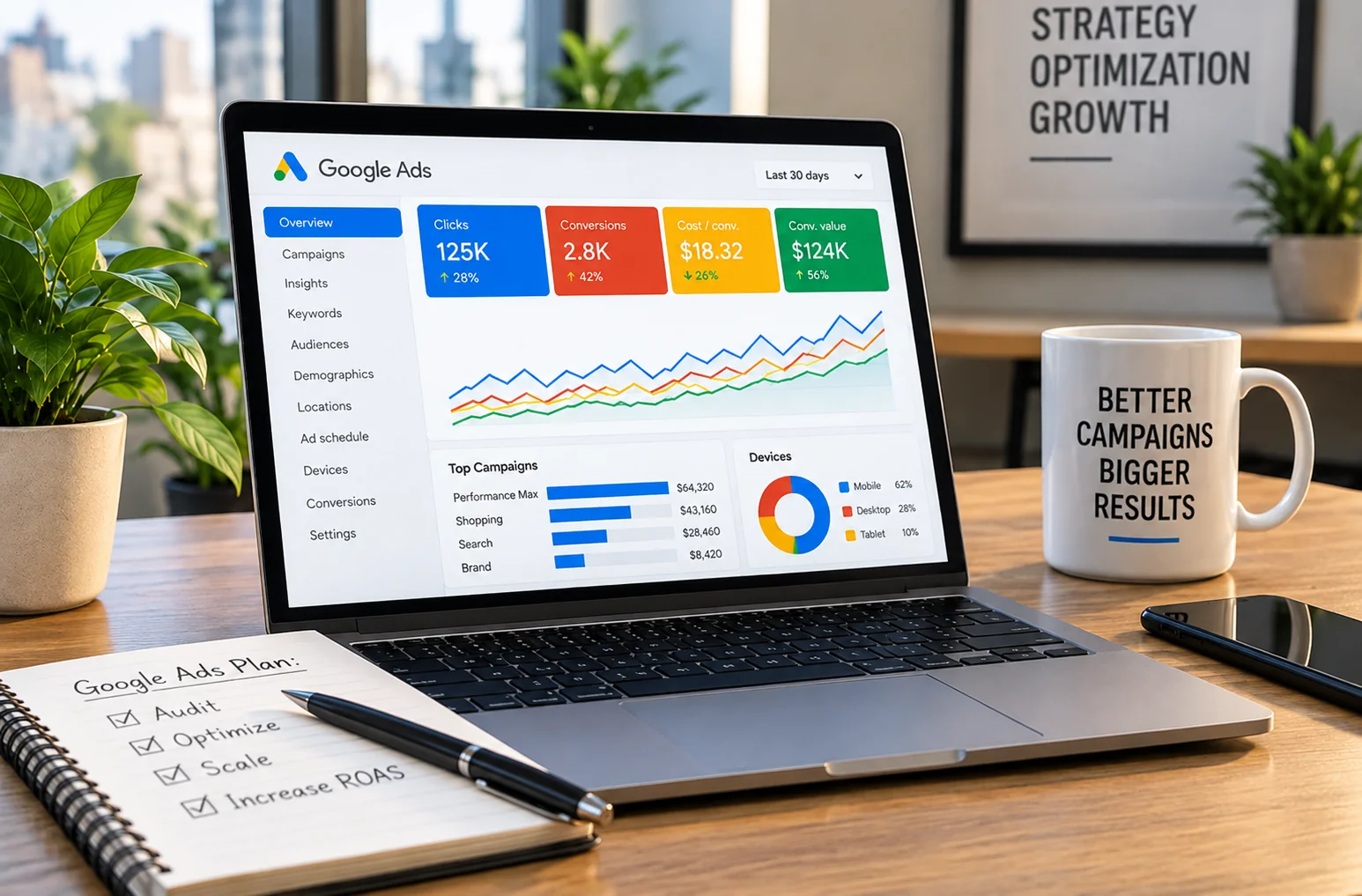
Google Ads can put a Raleigh business in front of customers who are actively searching, but paying for visibility is not the same as paying for profitable growth. Many small businesses lose budget because campaigns keep running while the details that determine lead quality are ignored.
At Adzlance, I consider spend wasted whenever a business pays for traffic that has little chance of becoming a valuable customer. For companies using Google Ads in Raleigh, these seven problems are worth checking before increasing budget.
1. Targeting Too Much of North Carolina
A local business does not automatically need statewide targeting. A Raleigh plumber, contractor, clinic, or professional service may only serve Raleigh and selected nearby areas.
When location settings are too broad, ads can attract clicks from people outside the profitable service area. A focused Google Ads agency in Raleigh strategy should match campaign geography with the real customer footprint.
2. Paying for the Wrong Search Terms
Keywords tell Google what you want to target. Search terms show what people actually typed. A relevant keyword can still trigger research queries, jobs, DIY searches, unrelated services, or low-value variations.
Search-term analysis should be part of ongoing Google Ads management. Irrelevant searches need negative keywords, while valuable new queries can become keywords or inspire new ad groups.
Ignoring the search terms report is one of the easiest ways for a small account to quietly waste money.
3. Treating Every Lead as a Good Lead
Ten form submissions do not necessarily mean ten sales opportunities. Some enquiries may be outside the service area, looking for a service you do not provide, or simply poor fits.
If Google receives every form and short phone call as an equally valuable conversion, automated bidding can optimize toward volume instead of quality.
Raleigh businesses should define a qualified lead and, where possible, connect campaign data with appointments, sales, or other meaningful outcomes.
4. Sending Paid Traffic to a Weak Landing Page
The ad can do its job perfectly and still lose the customer after the click.
A useful landing page should quickly explain what the company offers, where it operates, why the customer should trust it, and what action to take next. On mobile, phone and form actions should be easy to find.
If the page is slow, generic, or disconnected from the search, buying more clicks usually magnifies the problem.
5. Using the Same Message for Every Search
Someone searching for an emergency service has a different need from someone comparing providers for a future project.
Ad groups and ads should reflect those differences. A Raleigh HVAC company, for example, may need separate messaging for repair, replacement, maintenance, and emergency intent.
Relevant ads create a stronger connection between the search, message, and landing page than one generic campaign covering every service.
6. Increasing Budget Before Fixing Tracking
If conversion tracking is inaccurate, optimization becomes guesswork.
Common problems include counting button clicks instead of successful form submissions, tracking the same action twice, recording very short calls as conversions, or failing to pass purchase values correctly.
Before scaling, use a Google Ads audit to verify that reported conversions are real business actions. The Google Ads audit checklist also provides a practical framework for reviewing tracking, keywords, bidding, ads, and account structure.
More budget should amplify a working measurement system, not hide a broken one.
7. Setting Up the Account and Leaving It Alone
Google Ads is not a one-time setup project. Search behavior changes, competitors adjust offers, costs move, and new queries appear.
Ongoing work should include search-term analysis, budget allocation, bidding checks, ad testing, negative keywords, location performance, conversion quality, and landing-page observations.
For a broader foundation, our guide to Google Ads for small businesses explains how budget, targeting, tracking, and campaign structure work together.
How Can Raleigh Businesses Reduce Wasted Google Ads Spend?
Start by checking three things: who is clicking, what Google counts as a conversion, and whether those conversions become real customers.
Then review search terms, locations, campaign structure, landing pages, and budget allocation. Fix obvious waste before increasing spend.
For a local company, a smaller campaign reaching the right Raleigh-area customers can be more valuable than a larger campaign generating traffic in markets the business does not serve.
Should a Raleigh Small Business Hire a Google Ads Agency?
It depends on account complexity and the time available internally.
A business owner who can confidently manage search terms, conversion tracking, bidding, budgets, ads, and landing-page performance may not need outside management. But if the account spends consistently without clear visibility into lead quality or profitability, professional support can be worthwhile.
Businesses operating across several cities can also use a broader North Carolina Google Ads management structure while keeping Raleigh-specific campaigns focused on local demand.
Frequently Asked Questions
Why is my Raleigh Google Ads campaign getting clicks but no leads? Common causes include weak search intent, broad location targeting, poor landing pages, incorrect tracking, or an offer that does not match the search.
Should I increase my Google Ads budget when leads are slow? Not automatically. First confirm that tracking, search terms, targeting, and landing pages are working. Increasing a weak campaign can increase waste.
What is the fastest way to find wasted spend? Start with search terms, location performance, conversion actions, and high-spend keywords or campaigns that are not producing meaningful outcomes.
The Bottom Line
Google Ads can work well for Raleigh small businesses, but local targeting alone does not make a campaign efficient. Search quality, conversion tracking, landing pages, lead quality, and ongoing optimization all affect whether clicks become customers.
Before spending more, identify where the current budget is going and what it is producing. The goal is not simply more traffic. It is more qualified business from the traffic you already pay for.